
What if the simple act of mowing your lawn at the wrong time could reduce your weed control effectiveness by up to 40%? Many homeowners struggle with coordinating their lawn maintenance tasks, especially when it comes to timing mowing around weed and feed applications.
University research reveals surprising facts about optimal timing. Kentucky studies show that waiting 48 hours after cutting your grass dramatically boosts herbicide performance. Tennessee research confirms that midday applications work best due to temperature and sunlight conditions.
Proper coordination between mowing and applying products makes a significant difference in achieving that thick, green carpet-like lawn you desire. Understanding this relationship helps prevent product waste and protects your grass from potential damage.
This guide explores the science behind timing your lawn maintenance activities. You’ll learn not just when to schedule tasks, but also how to prepare equipment and adjust approaches for different seasons and grass types.
Key Takeaways
- Timing between mowing and weed/feed application significantly impacts results
- Research shows 48-hour waiting period increases weed control effectiveness by 30-40%
- Midday applications are most effective due to temperature and sunlight factors
- Proper coordination prevents product waste and protects grass health
- Seasonal adjustments and grass type considerations matter for optimal results
- Equipment preparation and safety precautions enhance lawn care outcomes
- Understanding timing relationships maximizes your lawn care investment
Understanding the Basics of Weed and Feed
The dual-action nature of weed and feed treatments addresses two common lawn challenges simultaneously. These combination products deliver both herbicide and fertilizer in one application.
This approach simplifies your lawn care routine while providing comprehensive treatment. You get weed control and nutrient delivery working together.
What is Weed and Feed and How Does It Work?
Weed and feed contains specialized herbicides that target broadleaf weeds. Active ingredients like 2,4-D enter through weed foliage.
The formula then translocates throughout the plant system. This internal action ensures complete weed elimination.
Simultaneously, the fertilizer component nourishes your grass. It provides essential nutrients for healthy growth and development.
Different Types and Formulas for Your Lawn
Granular products offer slow-release benefits ideal for large areas. Liquid formulations work quickly for spot treatments.
Pre-emergent types prevent weed seeds from germinating. Post-emergent versions tackle existing weed problems.
Choose formulas designed for your specific grass type. Proper selection prevents damage and maximizes effectiveness.
Organic options use natural ingredients but work slower. Synthetic versions provide faster results with higher nutrient concentrations.
Benefits of Mowing Before Weed and Feed
Coordinating your mowing routine with treatment schedules activates multiple benefits that work together for comprehensive lawn improvement. This strategic approach maximizes both weed elimination and nutrient delivery.
Enhanced Herbicide Absorption
Cutting your grass two to three days prior to treatment significantly boosts herbicide effectiveness. The process also trims weeds, stimulating fresh growth with increased surface area.
This new foliage provides optimal contact points for herbicide adhesion. The product then translocates efficiently throughout the entire weed system.
| Timing Factor | Herbicide Benefit | Weed Control Impact |
|---|---|---|
| 2-3 days before | Maximum leaf surface | Complete root elimination |
| Same day application | Reduced absorption | Partial weed control |
| After application | Product removal risk | Ineffective treatment |
Improved Fertilizer Distribution and Reduced Burn Risk
Shorter grass allows fertilizer granules to reach soil level more effectively. This direct contact ensures optimal nutrient uptake by grass roots.
Mowing also clears debris that might block even distribution. Your entire lawn receives consistent nutrient coverage without concentrated spots.
“Proper mowing timing prevents fertilizer granules from accumulating on grass blades where high salt content can cause dehydration and brown patches.”
This approach reduces the risk of fertilizer burn while improving overall nutrient absorption. You achieve better results with less product usage.
Timing is Everything: Mowing and Application Guidelines
Strategic timing elevates basic lawn care from routine chore to effective weed elimination strategy. The sequence of your maintenance activities directly impacts treatment success rates.
Proper scheduling ensures maximum product effectiveness while protecting your grass health. This approach transforms random tasks into a coordinated system.
Ideal Mowing Schedule Prior to Application
Plan your grass cutting two to three days ahead of weed feed application. This interval allows weeds to develop fresh leaf growth for optimal herbicide absorption.
Avoid cutting within 24 hours of treatment. Freshly trimmed weeds lack sufficient surface area for product adhesion.
The waiting period stimulates weed recovery without stressing your lawn. This biological window maximizes contact between herbicide and target plants.
Waiting Period After Treatment for Best Results
Wait 24-48 hours after application before mowing again. This critical timeframe allows herbicides to translocate through the entire weed system.
Late afternoon applications minimize heat stress on grass. Research shows midday treatments offer 15-20% better herbicide performance.
Check weather forecasts to ensure dry conditions for at least 24 hours. Proper timing prevents product wash-off and ensures complete weed elimination.
Preparing Your Lawn and Equipment
The quality of your lawn maintenance results begins with well-prepared equipment and a properly conditioned turf surface. Proper preparation ensures successful applications throughout the growing season.
Essential Mower Maintenance Tips
Start your lawn care season with thorough equipment checks. Sharp blades create clean cuts that heal quickly rather than ragged tears.
Dull mower blades damage grass tips and create disease entry points. This stress reduces nutrient absorption from fertilizer applications.
Complete operational checks include tire pressure, oil changes, and engine performance. Proper maintenance ensures even cutting height across your entire lawn.
Follow the one-third rule for mowing your lawn. Never remove more than one-third of grass blade height in a single session.
Maintain 3-4 inch grass height after mowing. This optimal height supports healthy root systems and natural weed suppression.
| Maintenance Task | Frequency | Impact on Lawn Health |
|---|---|---|
| Blade Sharpening | Every 20-25 hours | Clean cuts, reduced disease risk |
| Tire Pressure Check | Before each mow | Even cutting height |
| Oil Change | Seasonally | Engine performance, reliability |
| Debris Removal | Pre-application | Even product distribution |
Clear all debris before treatment applications. Sticks, leaves, and grass clippings block product contact with soil and weed surfaces.
Alternate mowing patterns each session to prevent soil compaction. This practice encourages upright growth and complete coverage.
should i mow before i weed and feed: Do’s and Don’ts
Following specific do’s and don’ts ensures your weed and feed application delivers maximum effectiveness. These guidelines protect your lawn while optimizing treatment results.
Step-by-Step Mowing Techniques
Begin by checking your mower blade sharpness. Dull blades tear grass rather than cutting cleanly. This creates stress points that reduce nutrient absorption.
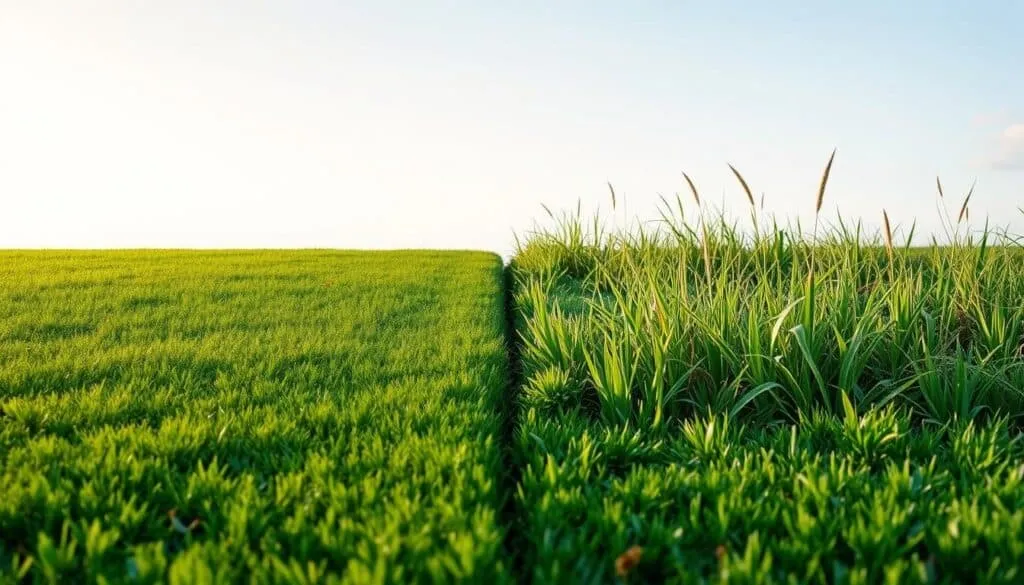
Adjust cutting height to remove no more than one-third of the blade. Mow in alternating patterns to prevent soil compaction. Complete this process 2-3 days before your planned weed feed application.
The correct sequence maximizes results. Mow first at proper height, wait for weeds to develop fresh leaf growth, then apply treatment to slightly damp grass. Resume normal mowing after 24-48 hours.
Key Safety Considerations During Application
Wear protective clothing during application. Long pants, sleeves, closed-toed shoes, and gloves prevent skin contact with herbicides. These chemicals can cause serious irritation.
Avoid eye contact completely. If product dust enters eyes, flush with water for 15 minutes. Seek medical attention if irritation persists.
Keep children and pets off the treated area until granules dissolve completely. This typically requires thorough watering either from rainfall or sprinklers.
Essential Do’s:
- Mow your lawn 2-3 days before application
- Cut only one-third of grass blade height
- Remove debris for even product distribution
- Wait 2 days after treatment before mowing again
Critical Don’ts:
- Never mow on the same day as application
- Avoid scalping or stressing grass blades
- Don’t mow immediately after treatment
- Avoid mowing wet grass after application
Seasonal Considerations for Optimal Lawn Care
Your lawn’s response to weed feed treatments varies dramatically with seasonal temperature changes. Different grass types have distinct growth cycles that determine when they best absorb nutrients and respond to herbicides.
Early Spring: When to Mow and Feed
Early spring marks the ideal window for weed feed application. Wait until soil temperatures consistently reach 55-60°F and you notice active weed growth. Dandelions and clover signal the perfect timing.
Complete two mowing sessions before applying products. This ensures your grass establishes vigorous growth to compete with weeds. The fertilizer component then delivers maximum benefit during peak growing season.
Adjustments for Warm and Cool Seasons
Cool-season grasses like Kentucky Bluegrass thrive with spring and fall fertilization. Warm-season varieties like Bermuda grass prefer late spring and summer feeding. Never fertilize warm-season types in late fall.
If spring treatment doesn’t eliminate all weeds, consider a fall application. Wait at least two months between treatments to prevent chemical buildup. Complete fall applications by September’s end for optimal effectiveness.
During extreme summer heat, avoid weed feed applications. Stressed grass cannot handle additional salt from fertilizers. Focus instead on proper watering and mowing height to maintain lawn health.
Expert Tips to Maximize Lawn Health>
Advanced lawn care strategies go beyond simple timing to include nutrient recycling and precise application methods. These expert techniques ensure your fertilizer and herbicide work in harmony for a thicker, greener lawn.
Integrating these practices creates a robust system for sustained lawn vitality. You build soil health while effectively managing weed populations.
Integrating Fertilizer and Herbicide Best Practices
After your post-application mowing, leave grass clippings on the lawn. These clippings decompose slowly, releasing valuable nutrients back into the soil.
This natural process complements your lawn fertilizer program. It reduces the total amount of synthetic nutrients your lawn requires.
| Clipping Management | Nutrient Benefit | Lawn Health Impact |
|---|---|---|
| Leave clippings after mowing | Slow-release nitrogen | Reduces fertilizer need by 25% |
| Bag clippings | Nutrients removed | Requires more frequent fertilization |
Apply granular products to slightly damp grass for optimal adhesion. This moisture helps granules stick to weed leaves, ensuring the herbicide comes into contact with the target.
Wait 2-4 days after your feed application before watering thoroughly. This delay gives the herbicide time to absorb fully into the weed system.
Use a broadcast spreader for even distribution. Make two perpendicular passes at half-strength to prevent over-application in any single area.
Exercise extreme caution near garden beds and trees. The broadleaf herbicide in these products will harm desirable plants if granules come into contact with them.
Select formulas specifically designed for your grass type. This prevents damage and ensures effective weed control for a truly healthy lawn.
Conduct a soil test every few years to guide your fertilization choices. This precision approach provides exactly the nutrients your soil needs.
For persistent weeds, use a spot treatment instead of another full application. This targeted approach saves money and reduces overall chemical usage on your property.
Conclusion
The scientific evidence clearly demonstrates that strategic scheduling transforms basic lawn maintenance into highly effective weed control. University research confirms proper timing between cutting your grass and applying treatments boosts results significantly.
Plan your lawn care around specific waiting periods. Cut grass 2-3 days prior to application to maximize herbicide absorption. Then wait 24-48 hours after treatment before resuming normal mowing. This timing ensures optimal product performance.
Selecting the right weed feed product for your specific grass type and season proves equally important. Consider whether you need both herbicide and fertilizer components at each application time.
Proper lawn care extends beyond single treatments. Maintain consistent mowing heights, adequate watering, and seasonal fertilization schedules. These practices create a healthy, resilient lawn that naturally resists weed invasion.
Always prioritize safety during applications with protective gear. Keep children and pets away until products dissolve completely. With patience and consistent timing, your investment in proper lawn care delivers lasting results.
FAQ
Is it better to mow the lawn before applying weed and feed?
Yes, mowing your lawn before a weed and feed application is highly recommended. Trimming the grass removes weed flowers and seed heads, allowing the herbicide to better reach target weeds. It also ensures the fertilizer granules make direct contact with the soil for optimal nutrient absorption.
How soon after mowing can I apply a weed and feed product?
You can apply weed and feed immediately after mowing. For the best results, wait a day or two if the grass is exceptionally tall or if you’ve collected the clippings. This gives the lawn a brief recovery period and ensures the soil surface is ready to receive the treatment.
What is the ideal grass height before a weed and feed application?
Aim for your lawn’s standard mowing height, typically between 2.5 to 3.5 inches for most grass types. Avoid cutting more than one-third of the grass blade in a single mow. This height is short enough for good product contact but long enough to prevent stressing the grass.
Should I bag the grass clippings when mowing before weed and feed?
Bagging clippings is a good practice before treatment. It clears the lawn surface of debris that could block the herbicide and fertilizer from reaching the soil and weed leaves. This step is especially helpful if the grass is overgrown or if there is a thick layer of thatch.
How long should I wait to mow the lawn after a weed and feed application?
Wait at least 24 to 48 hours after applying weed and feed before mowing again. This gives the herbicide enough time to be absorbed by the weeds and the fertilizer to begin settling into the soil. Check the specific product label, as some herbicides may require a longer waiting period.
Can I apply weed and feed to a wet lawn?
It is best to apply weed and feed to a dry lawn. Moisture on the grass blades can cause the granules to stick and clump, leading to an uneven application. A dry lawn ensures the product distributes evenly and is not washed away before it can begin working.
What is the best time of year to apply weed and feed?
The optimal time is during the active growing season for your grass type. For cool-season grasses, early fall is ideal, while late spring is best for warm-season varieties. Avoid applying during periods of drought, extreme heat, or when temperatures exceed 85°F to prevent fertilizer burn.