
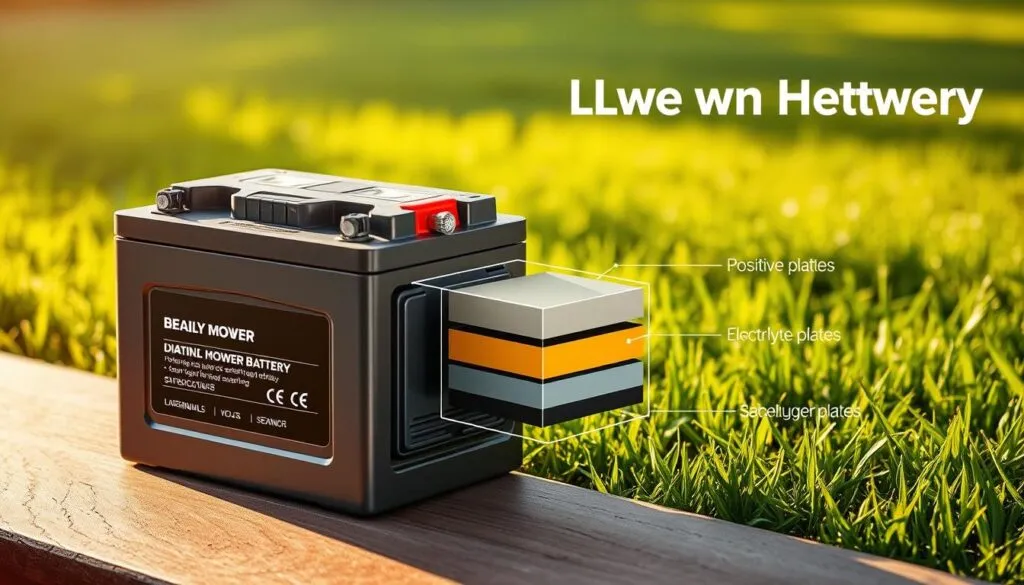
Have you ever wondered if the typical lifespan of your mower’s power source is a fixed number, or if you hold the key to extending it significantly? Many owners simply accept a short service life as inevitable. But what if common habits are secretly draining your battery’s potential?
This guide dives deep into the factors that truly determine longevity. Not all batteries are created equal. The type you choose for your equipment makes a major difference in performance and durability.
You will discover actionable strategies to maximize your investment. We will cover maintenance tips that prevent premature failure. This knowledge helps you plan for replacements and manage your budget effectively, whether you use a riding or push model.
By understanding industry standards and recognizing end-of-life signs, you gain control. This article provides a clear roadmap based on expert knowledge and real-world data. Your goal is to get the most value from every charge cycle.
Key Takeaways
- Battery longevity is not a fixed number but is heavily influenced by usage and maintenance.
- The specific type of battery you install plays a critical role in its overall service life.
- Proper care and charging habits can significantly extend the functional lifespan of your power source.
- Recognizing the warning signs of a failing battery helps you avoid being stranded with a dead mower.
- Understanding expected lifespan allows for better financial planning for future replacements.
- Different mower models, from riding to robotic, have unique battery considerations.
- Real-world data combined with expert advice provides a practical guide for your situation.
Introduction to Lawn Mower Battery Lifespan
Reliable starting power is essential for efficient lawn maintenance, and this begins with understanding what makes your equipment’s energy source function optimally. The condition of this component affects everything from your first start of the season to consistent performance during demanding mowing sessions.
Why Battery Health Matters
Your equipment’s electrical system depends on stable energy delivery. The starting mechanism requires sufficient Cold Crank Amps (CCA) to engage the solenoid and turn over the engine properly.
A weak power source strains the entire system. This can lead to damage to more expensive components beyond just the energy cell itself. Maintaining optimal condition prevents costly repairs down the line.
Your Lawn Mower’s Performance Connection
There’s a direct link between energy source condition and cutting efficiency. When health declines, you’ll notice slower blade rotation and reduced cutting power.
This connection becomes critical during challenging conditions. Thick grass or extreme temperatures demand maximum performance from your equipment. A healthy power unit ensures consistent operation when you need it most.
Proper maintenance protects your investment. It prevents strain on the motor and electrical components that rely on stable energy delivery throughout the mowing season.
Understanding Lawn Mower Battery Types
The technology powering your equipment plays a crucial role in its overall performance and durability. Different battery types offer distinct advantages for various mowing needs and budgets.
Understanding these differences helps you make an informed choice. The right selection ensures reliable operation season after season.
Lead-Acid Batteries: Durability and Care
Traditional lead-acid batteries provide dependable service for 3-5 years with proper maintenance. These units deliver sufficient power for 1-2 hours of continuous mowing per charge.
Their capacity gradually decreases after the first year of use. Despite heavier weight and shorter lifespan, they remain a cost-effective option for budget-conscious owners.
Lithium-Ion Batteries: Efficiency and Longevity
Modern lithium-ion batteries represent a significant advancement in power technology. They require minimal maintenance while offering 7-10 years of consistent performance.
These batteries maintain steady capacity throughout their service life. The LiFePO4 variant is particularly recommended for mowers due to its optimized power density.
While initially more expensive, their extended lifespan and reliable output make them economical long-term investments.
Factors Affecting Battery Life and Performance
Multiple variables work together to shape the operational duration of your cutting equipment’s energy cell. Understanding these key factors helps you maximize performance.
Environmental Conditions and Storage
Extreme temperatures significantly impact your power source. High heat accelerates chemical reactions that cause wear. Cold conditions reduce available power.
Proper storage practices prevent unnecessary damage. Keep your unit in a temperature-controlled area between 40-80°F. Avoid uninsulated garages during seasonal changes.
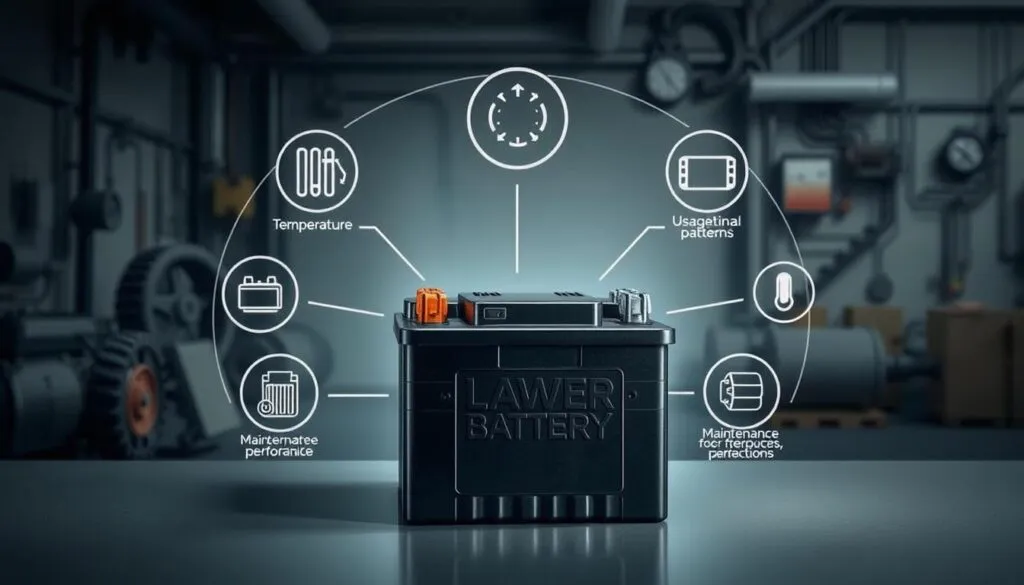
During long-term storage, maintain about 40-50% charge level. This preserves capacity and prevents deterioration.
Usage Patterns and Charging Habits
Your mowing routine directly influences battery life. Rough terrain and large areas strain the system. This rapid drainage reduces total cycles.
Charging practices are crucial for longevity. Avoid complete discharges that cause damage. Recharge when about 20% power remains.
Consistent partial charging extends functional lifespan. It prevents the stress of deep cycling on your mower’s energy system.
How Long Should a Lawn Mower Battery Last?
Making an informed decision about your equipment’s energy source requires clear expectations about its typical service life. The operational timeframe varies significantly based on the technology you select and your maintenance practices.
Comparing Lifespans: Lead-Acid vs. Lithium-Ion
Traditional lead-acid units typically provide 3-5 years of reliable service with proper care. Without adequate maintenance, these power sources can fail within a single cutting season.
Modern lithium-ion technology offers substantially greater longevity. These advanced energy cells often operate for more than a decade or sustain up to 3,000 charging cycles.
Most homeowners experience approximately 500 complete cycles before noticing performance decline. This translates to several years of regular use for average residential properties.
Your equipment should deliver 45-60 minutes of runtime per charge under normal conditions. A well-maintained four-year-old system typically retains about 75% of its original capacity.
The substantial difference in operational duration means lithium options often prove more economical over time. Understanding these expectations helps you plan replacements effectively.
Best Practices for Battery Maintenance and Care
Simple, consistent maintenance routines form the foundation of a reliable power system for your equipment. Proper care directly influences performance and operational duration.
Cleaning Battery Terminals and Preventing Corrosion
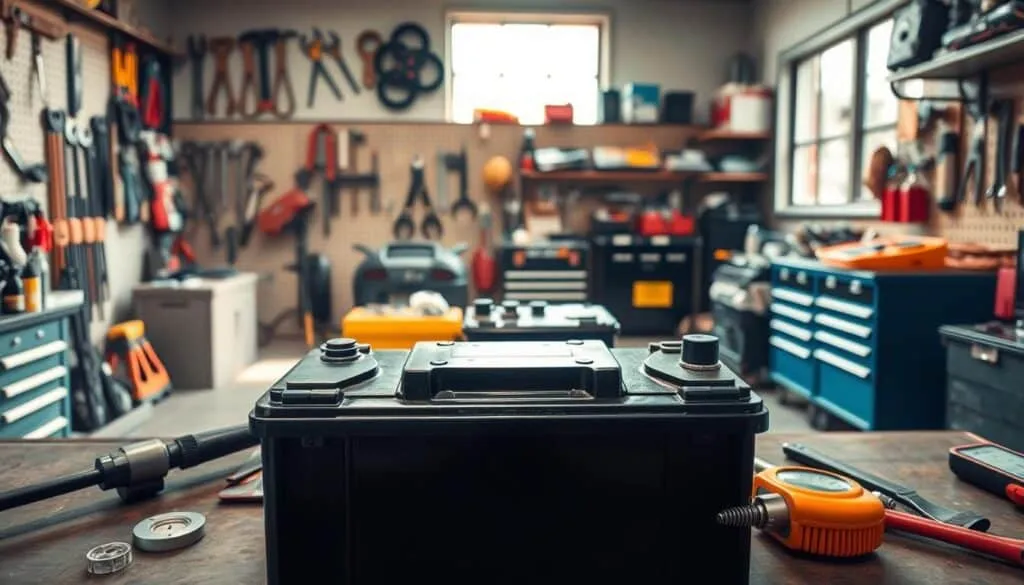
Inspect your battery terminals each month. Look for white or bluish crusty deposits, a sign of corrosion.
A simple baking soda and water solution works well for cleaning. Dip a brush into the mix and scrub the terminals thoroughly. Dry them completely before reconnecting.
After cleaning, apply a thin layer of petroleum jelly. This creates a barrier that helps in preventing corrosion from returning.
Regular Checks and System Maintenance
Before each use, make sure all cable connections are tight. Loose connections force the unit to work harder, straining the entire system.
For flooded lead-acid types, check water levels regularly. Only use distilled water to refill, covering the plates completely.
Keep your cutting blades sharp. Dull blades demand more power, placing unnecessary stress on your equipment’s energy source.
| Task | Lead-Acid Battery | Lithium-Ion Battery |
|---|---|---|
| Terminal Cleaning | Monthly | Seasonally |
| Water Level Check | Before each use | Not Applicable |
| Connection Inspection | Monthly | Seasonally |
| Protective Coating | After cleaning | After cleaning |
Proactive maintenance is not an optional extra; it’s integral to achieving the full potential of your equipment’s power source. A few minutes of care can prevent hours of downtime.
Charging, Storage, and Usage Tips
Your daily charging routine determines whether your power source reaches its maximum potential. Proper techniques protect your investment and ensure reliable performance season after season.
Optimal Charging Techniques
Avoid completely draining your energy cell before recharging. Deep discharges cause significant stress on the internal components. Try to recharge when approximately 20% power remains.
Always use the manufacturer’s recommended charger. Incorrect voltage or current specifications can damage the internal chemistry. Smart chargers automatically manage the process effectively.
After mowing, let the unit rest for a few hours before connecting the charger. This prevents overheating and protects the cells. For lithium types, maintain charge between 20% and 80% for extended longevity.
Proper Storage for Extended Lifespan
Remove the energy cell from your equipment after each use. Store it in a cool, dry place away from temperature extremes. Moderate conditions between 40-80°F prevent damage.
During long-term storage, maintain about 40-50% charge level. This preserves capacity during off-seasons. Battery maintainers help keep healthy levels without overcharging risks.
Make sure to disconnect from the charger once fully charged. Leaving it connected causes excessive heat and decreases efficiency. These practices work together to protect your investment.
Expert Insights and Real-World Experiences
Industry experts have identified specific usage patterns and maintenance practices that separate short-lived power sources from those that deliver years of reliable service. Their collective experience provides actionable guidance for maximizing your equipment’s performance.
Lessons from Industry Experts
Battery sulfation remains a primary cause of premature failure in lead-acid units. This occurs when crystals form on the internal plates during extended discharge periods. Professionals universally recommend removing power cells during winter storage to prevent this damage.
Some modern energy systems feature auto-discharge technology. These units reduce charge to around 30% when left fully powered for weeks. Not all chargers include this protective function, so manual monitoring is essential.
Proper maintenance typically preserves about 75% of original capacity after four years of use. Mowing in temperatures between 40-80°F optimizes performance. Extreme conditions accelerate capacity degradation significantly.
Maintaining grass at 2-3 inches reduces strain on your equipment. This practice extends operational life compared to extremely close cuts. Matching your power system to property size also impacts longevity dramatically.
| Expert Practice | Common Error | Impact on Lifespan |
|---|---|---|
| Remove battery during storage | Leave connected all winter | Prevents sulfation damage |
| Mow in 40-80°F range | Operate in extreme temperatures | Preserves capacity |
| Maintain 2-3 inch grass height | Cut too short frequently | Reduces system strain |
| Match battery to lawn size | Overwork small units | Extends service years |
Real-world data confirms that weekly use on smaller properties results in better longevity. Units pushed to their limits on large areas twice weekly show accelerated wear. Understanding your specific conditions adds years to operational life.
Conclusion
Your lawn’s appearance depends on consistent, reliable equipment performance. The knowledge you’ve gained empowers you to make smart choices for your property.
You now understand that a power source’s operational duration is not a mystery. It hinges on your selection and care routine. Proper maintenance directly protects your investment.
By applying the strategies discussed, you take control over your equipment’s reliability. This proactive approach saves money and prevents mid-season frustrations.
Your commitment to these practices ensures your mower is ready for action. You can enjoy a beautifully maintained yard for many seasons to come.
FAQ
What is the typical lifespan of a lawn mower battery?
The average lifespan varies by type. A standard lead-acid battery typically lasts 3 to 5 years with proper care. More advanced lithium-ion batteries can often provide 5 to 8 years of reliable power. Your specific usage, maintenance, and storage habits are key factors that influence this timeframe.
How can I make my mower battery last longer?
You can extend your battery’s life through consistent care. Keep the terminals clean and free of corrosion. Always store the unit in a cool, dry place, especially during the off-season. Avoid letting the battery fully discharge and use a smart charger designed for your specific battery type to maintain optimal health.
What are the signs that my battery needs replacement?
Look for clear indicators of declining performance. These include the mower struggling to start, a noticeable drop in power, or the battery losing its charge much faster than usual. If you notice visible damage, swelling, or excessive corrosion on the terminals, it’s likely time for a new one.
Does extreme temperature affect battery life?
Yes, temperatures have a significant impact. High heat can accelerate internal damage and reduce overall capacity. Extreme cold can make it harder for the battery to deliver power, straining the system. Storing your mower in a climate-controlled environment helps protect its power source.
What is the difference between lead-acid and lithium-ion mower batteries?
Lead-acid batteries are a traditional, cost-effective option but require more maintenance, like checking fluid levels. Lithium-ion models are lighter, charge faster, and generally offer a longer service life. They also hold their charge better during storage, making them a popular choice for modern electric mowers.
How should I store my lawn mower battery for the winter?
For long-term storage, first give the battery a full charge. Disconnect it from the mower and store it in a cool, dry place away from direct sunlight. It’s a good practice to check the voltage every few months and give it a boost charge if it drops below recommended levels to preserve its health.