
When unboxing fresh cutting equipment, many homeowners wonder about their immediate readiness. The package arrives sealed, but uncertainty lingers about that first crucial cut across the turf.
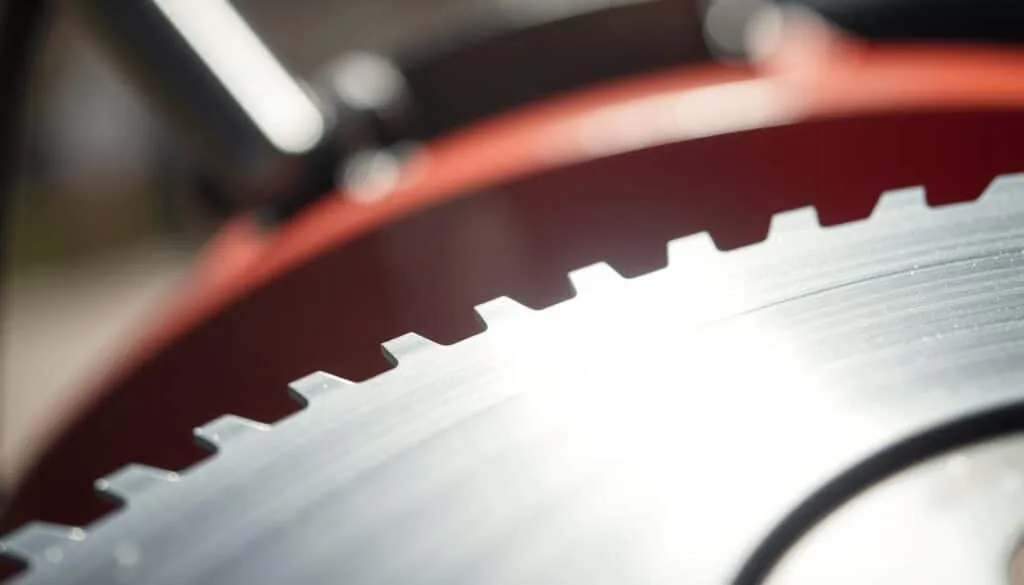
Manufacturers typically prepare these components with a factory edge sharpened to approximately 30 degrees. This standard angle suits most residential grass cutting applications perfectly. A protective paint coating also helps prevent corrosion during storage and transit.
However, quality can vary significantly between different brands and product lines. Some users report that certain models may arrive less refined than expected. This variability raises legitimate concerns about initial performance.
Your cutting results depend heavily on the condition of this critical component. Understanding when additional preparation becomes necessary ensures optimal efficiency from the very first use.
Key Takeaways
- Factory blades typically come pre-sharpened to a standard 30-degree angle
- Protective paint coatings prevent rust during storage and shipping
- Sharpness quality can vary between manufacturers and blade types
- Visual inspection determines if additional sharpening is needed
- Cutting performance depends heavily on blade condition
- Proper maintenance ensures optimal efficiency from first use
Understanding the Role of Sharp Blades in Lawn Care
Achieving professional-looking results from your yard maintenance begins with understanding blade fundamentals. The condition of your cutting equipment directly impacts grass health and overall turf appearance.
How Blade Sharpness Affects Cutting Efficiency
Sharp blades create a clean cut that slices through grass cleanly. This precision cutting promotes faster recovery and maintains vibrant color. Your equipment operates more efficiently with properly sharpened blades.
Dull blades tear grass tissue instead of cutting it cleanly. This damage creates brown, frayed edges that weaken the plants. The difference in cutting quality becomes immediately visible after mowing.
Common Problems Caused by Dull or Damaged Blades
Using worn blades increases strain on your lawnmower engine. This extra effort consumes more fuel and reduces overall performance. Regular maintenance prevents these efficiency issues.
Torn grass blades provide entry points for diseases and pests. The ragged cuts also increase water loss through damaged tissue. Proper blade care ensures your grass remains healthy and resilient.
Maintaining sharp blades represents one of the most critical aspects of lawn care. The right cutting tools deliver superior results with every mowing session.
Do you have to sharpen new lawn mower blades: Key Considerations

The debate between using blades straight from packaging versus additional sharpening involves multiple practical considerations. Your decision impacts both immediate cutting performance and long-term equipment maintenance.
Factory Settings vs. Field Sharpening
Manufacturers typically prepare cutting components with a standard 30-degree edge angle. This factory setting suits most residential grass types effectively. The protective paint coating prevents corrosion without affecting cutting capability.
Some brands, like Oregon Gator models, may arrive with edges that feel less refined. This variation stems from different manufacturing processes and quality standards. Inspection becomes crucial before making any sharpening decisions.
A proper cutting edge should feel consistent and free from nicks or burrs. The geometry differs from razor blades, focusing on durability over extreme sharpness. Testing involves running your thumb perpendicular to the edge carefully.
Factory preparation usually provides sufficient sharpness for immediate use. This saves significant time before your first mowing session. Only visible damage or inconsistencies warrant additional sharpening work.
Your expectations and lawn conditions play important roles in this decision. Most factory-prepared components perform well right from installation. Careful inspection ensures optimal performance from the start.
Step-by-Step Guide to Sharpening Your Mower Blades
A well-executed sharpening procedure transforms dull cutting edges into precision instruments. This process ensures clean cuts and extends the life of your equipment.
Tools and Safety Equipment You Need
Gather essential protective gear before starting. Work gloves and safety glasses prevent injuries during handling. A blade balancer ensures proper weight distribution.
Choose between a bench grinder for speed or a metal file for precision control. Both tools effectively restore sharp edges when used correctly.
Detailed Sharpening Process Explained
Begin by securing the equipment and disconnecting power sources. Remove the cutting component carefully to avoid damage.
Follow the original factory bevel angle during sharpening. Apply consistent pressure while working along each cutting edge. Maintain equal material removal from both sides.
Balance testing comes after sharpening. A properly balanced component remains horizontal when suspended. This prevents vibration during operation.
Aftercare and Cleaning for Long-Lasting Performance
Thorough cleaning removes debris and grass residue. Apply a light oil coating to prevent rust formation.
The complete procedure typically takes 15-30 minutes. Regular maintenance between mowing sessions keeps edges sharp and efficient.
Expert Tips for Maintaining Optimal Mower Blade Performance

Protecting your cutting components from common hazards preserves their effectiveness and saves replacement costs. Regular maintenance routines ensure consistent cutting quality throughout the mowing season.
Preventing Blade Damage from Rocks and Debris
Walk your property before each cutting session to remove potential hazards. Clear away rocks, branches, and other debris that could cause nicks or bends. This simple habit significantly extends blade life.
Listen for unusual sounds during operation that indicate contact with hard objects. Immediate inspection after any impact prevents minor damage from worsening. Proper care reduces vibration and protects the engine from unnecessary strain.
When to Replace Blades for Best Results
Inspect cutting edges every 8-10 hours of use or at least once per season. Look for significant wear, large nicks, or cracks that affect performance. Replacement becomes necessary when repeated sharpening thins the metal excessively.
Most homeowners should consider replacement every 1-2 seasons for optimal results. Keeping a spare set of sharpened blades allows quick swaps when needed. This preparation saves time and maintains cutting quality throughout the year.
Well-maintained components deliver cleaner cuts and promote healthier grass growth. The performance difference justifies the minimal time investment in proper care routines.
Conclusion
Mastering lawn care equipment begins with knowing when to trust factory preparation versus applying additional refinement. The initial inspection process provides the clearest answer to whether your cutting components need immediate attention.
Factory-sharpened edges typically deliver excellent performance right from installation. Your visual assessment determines if any shipping damage requires correction before that first cutting session.
Maintaining sharp mower blades throughout the season ensures superior grass health and equipment efficiency. Regular care prevents strain on your lawnmower while promoting vibrant turf growth.
You now possess comprehensive knowledge about blade maintenance, replacement timing, and preventive strategies. This expertise will serve you well during every mowing season, delivering professional results while extending equipment lifespan.
FAQ
Is it necessary to sharpen a brand-new blade right out of the box?
Typically, no. Most new blades come from the factory with a sharp edge ready for use. However, it’s wise to inspect the cutting edge for any burrs or imperfections from shipping. A quick visual check ensures top performance from the start.
What is the main difference between a sharp and a dull cutting edge?
A sharp blade slices grass cleanly, promoting healthy turf. A dull one tears and shreds the grass blades, leaving a ragged, brown tip that can make your lawn more susceptible to disease. The quality of the cut is the most noticeable difference.
How can I tell if my blade needs attention?
Look for signs like an uneven cut, grass with a whitish or frayed appearance after mowing, or increased engine strain. Excessive vibration is another common indicator that the blade may be dull, bent, or damaged.
Can hitting a rock damage a new blade immediately?
Absolutely. Striking a rock, curb, or other hard debris can cause significant nicks, bends, or dull the edge instantly. This kind of impact often necessitates immediate sharpening or even a full replacement to restore a clean cut.
What tools are essential for proper blade maintenance?
For basic care, a blade balancer and a metal file are great starting points. For more significant sharpening jobs, a bench grinder or an angle grinder with a flap disc provides a more precise edge. Always wear safety gloves and glasses for protection.
When should I consider replacing the blade instead of sharpening it?
If the blade is severely bent, has large chunks missing, or has been sharpened down significantly over time, replacement is the safer and more effective option. A blade that’s lost too much metal can become unbalanced and unsafe.