

Have you ever wondered if the single most important maintenance task for your equipment is also the easiest to get wrong? Proper lubrication is the lifeblood of any small engine, and getting the quantity correct is not a guessing game.
The exact amount your machine needs depends heavily on its type and model. Walk-behind units typically hold around 15 to 18 ounces. Larger riding mowers often require 48 to 64 ounces. Using the precise quantity specified by the manufacturer is critical for optimal performance and longevity.
This guide will walk you through determining the correct capacity for your specific model. We will cover everything from checking levels to performing a complete change. Understanding this simple step protects your investment and keeps your yard looking great.
Key Takeaways
- Knowing the exact oil capacity is vital for your mower’s engine health and performance.
- The required amount varies significantly between walk-behind and riding mowers.
- Always consult your owner’s manual for the manufacturer’s specific specifications.
- Using the correct oil level prevents serious engine damage and costly repairs.
- Proper oil management is a simple but essential part of routine equipment care.
- This guide provides clear, step-by-step instructions for both new and experienced owners.
Understanding the Importance of Proper Lawn Mower Oil
Proper fluid levels in your grass-cutting equipment serve as the first line of defense against expensive engine repairs and performance issues. The lubricant performs multiple essential functions that keep your machine running smoothly season after season.
Benefits of Using the Correct Oil
Fresh engine oil appears golden or amber when new. This clean fluid creates a protective barrier between moving parts. It reduces friction and prevents metal-on-metal contact that causes wear.
The lubricant also helps dissipate heat generated during operation. This cooling function prevents overheating and thermal damage to critical components. Using the right type and amount ensures compliance with manufacturer requirements.
Proper maintenance extends equipment life and improves fuel efficiency. It also reduces emissions and ensures reliable starting throughout the cutting season.
Risks of Overfilling or Underfilling
Overfilling creates increased pressure in the crankcase. This can cause oil foaming and reduced lubrication efficiency. Excess fluid may leak through seals and gaskets.
Underfilling leads to insufficient lubrication of moving parts. This results in increased friction and excessive heat buildup. Both conditions can cause the same types of catastrophic engine damage.
Precise measurement is absolutely critical for protecting your investment. Following manufacturer specifications prevents voiding warranty coverage due to improper maintenance.
How Much Oil Do You Put in a Lawn Mower: Key Considerations
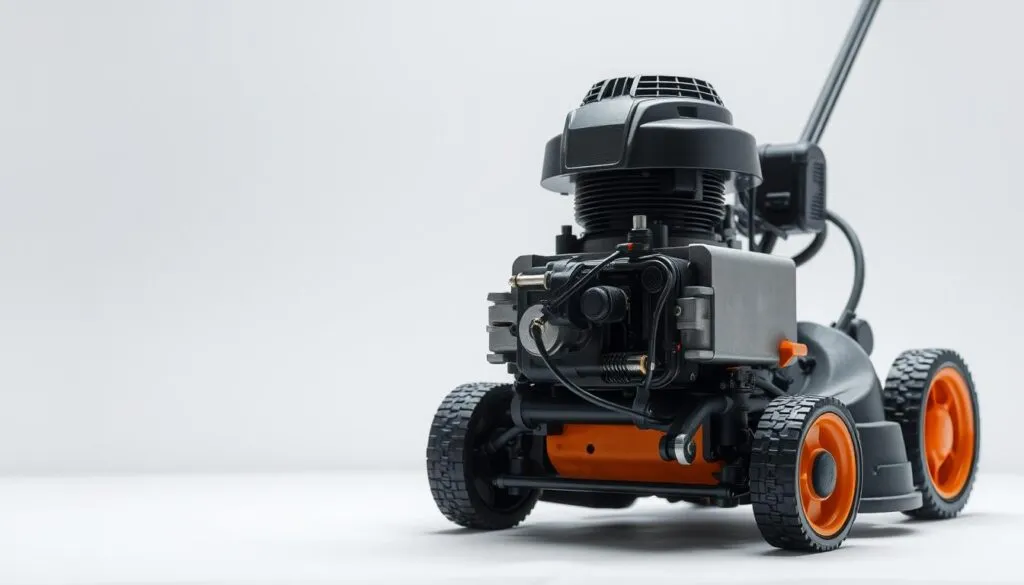
Accurately measuring the fluid your engine requires begins with understanding your specific machine’s specifications. The capacity varies significantly between different equipment types and models.
Identifying Your Mower’s Engine Specifications
Start by determining your equipment category. Walk-behind units typically hold 15 to 18 ounces. Riding mowers often need 48 to 64 ounces.
Locate your engine model number for precise information. This identifier appears on a label or stamped directly on the engine block. The number provides essential details about your specific engine.
Engine size and configuration affect capacity requirements. Single cylinder engines need less fluid than twin cylinder V-Twin engines. Larger engines naturally require more lubricant for proper operation.
Reviewing Your Operator’s Manual for Accurate Capacity
Your operator’s manual contains manufacturer-specific information. This documentation provides the exact capacity for your particular model. Always consult this resource before adding any fluid.
Manufacturers offer online oil finder tools for convenience. Input your equipment type, engine name, and operating temperature. These tools generate customized recommendations for your situation.
Never assume capacity based on appearance or age. Verification through official documentation prevents serious errors. For new equipment, check requirements before first use since engines typically arrive without pre-added fluid.
Choosing the Right Type of Lawn Mower Oil
Not all lubricants are created equal when it comes to protecting your cutting equipment’s internal components. The correct oil type ensures optimal performance across different seasons and operating conditions.
Comparing SAE Grades and Synthetic Options
SAE 30 works well in warmer climates and remains the most common choice for small engines. For areas with seasonal temperature changes, SAE 10W-30 offers better cold-weather starting.
Synthetic SAE 5W-30 provides superior protection across all temperatures. This premium option reduces consumption and enhances engine life. Conventional SAE 5W-30 suits extremely cold environments.
Commercial operations often benefit from Vanguard 15W-50. This specialized formulation handles continuous heavy-duty use effectively.
Temperature Considerations for Optimal Performance
Temperature significantly affects lubricant performance. SAE 30 causes hard starting below 40°F. Above 80°F, 10W-30 may increase consumption rates.
Synthetic oil performs reliably at all temperatures without altering change intervals. Always select high-quality detergent oils classified SF, SG, SH, SJ or higher.
Avoid special additives that can interfere with engine function. Choosing the best oil for your climate ensures reliable operation throughout the mowing season.
Step-by-Step Guide to Checking and Changing Your Oil

Mastering the art of checking and changing your mower’s oil transforms routine maintenance from a chore into a simple, confidence-building process. Following proper procedures ensures your equipment receives the care it needs for optimal performance.
How to Check the Oil Level Effectively
Always verify the oil level before starting your engine. This simple habit prevents damage and catches low conditions early. Park on level ground for accurate readings.
Remove the dipstick cap and wipe the blade clean with a rag. Reinstall the cap completely, then remove it again to view the actual oil level. The fluid should rest between the FULL and ADD marks.
Preparing Your Mower for the Oil Change Process
Run the engine for several minutes to warm the oil. This helps suspend contaminants for more complete drainage. Always disconnect the spark plug lead for safety.
Clean debris from around the drain plug before accessing it. Use proper tools like a 3/8″ ratchet or adjustable wrench depending on your engine type.
Safe Procedures for Draining and Replacing Oil
Position your collection container carefully before removing the drain plug. For engines with filters, lightly oil the new gasket and tighten by hand plus a half-turn.
Add new lubricant gradually, allowing time for settling between additions. Run the engine briefly to circulate fresh oil and check for leaks. Dispose of old oil responsibly at approved locations.
Tips for Maintaining Your Lawn Mower Engine
Consistent maintenance habits form the foundation of long-lasting lawn equipment performance. Developing smart routines protects your investment and ensures reliable operation throughout each cutting season.
Proper care extends equipment lifespan while reducing unexpected repairs. These practical tips help you establish effective maintenance patterns.
Establishing a Regular Oil Change Schedule
Follow manufacturer guidelines for oil change intervals based on operating hours. Walk-behind units typically need service every 50 hours or annually. Riding mowers often require change every 100 hours or yearly.
| Equipment Type | Standard Interval | Break-in Change | Tough Conditions |
|---|---|---|---|
| Walk-Behind Mower | 50 hours or annual | After 5 hours | More frequent |
| Riding Mower | 100 hours or annual | After 5 hours | More frequent |
| New Equipment | Standard schedule | Critical first change | Monitor closely |
Regular maintenance is the cheapest insurance policy for your outdoor power equipment.
Cleaning and Inspection Best Practices
Before each use, remove grass clippings from around the engine parts. Check oil levels consistently during the mowing season. This simple habit prevents major issues.
During maintenance sessions, examine old fluid for contamination. Look for metal particles indicating wear. Clean cooling fins ensure proper engine temperature regulation.
Combine oil changes with other maintenance tasks for efficiency. Record service dates and observations for future reference. This comprehensive approach maximizes equipment performance.
Troubleshooting Common Oil-Related Lawn Mower Issues
Spotting early warning signs in your lubricant can prevent minor issues from becoming major repairs. Learning to interpret these signals helps you maintain optimal equipment performance throughout the cutting season.
Recognizing Signs of Old or Contaminated Oil
Fresh lubricant appears golden or amber. Dark brown or black coloration indicates degradation from heat and contaminants. This darkened fluid loses its protective properties and requires immediate replacement.
Watch for milky or gray appearances suggesting water contamination. This often signals damaged gaskets or seals needing professional attention. Excessive consumption between changes also indicates potential problems.
Unusual engine sounds like knocking or grinding may signal lubrication issues. Difficulty starting or blue exhaust smoke often points to internal component wear. These symptoms demand systematic troubleshooting.
When to Seek Professional Assistance
DIY efforts reach their limits with persistent leaks after gasket replacement. Recurring contamination issues also warrant expert diagnosis. Internal damage typically requires specialized tools and knowledge.
Choose authorized dealers familiar with your specific engine type. They possess proper diagnostic equipment and access to genuine parts. The cost-benefit analysis often favors professional service for complex issues.
Improper diagnosis can lead to more expensive repairs down the line. Knowing when to seek help protects your investment and ensures reliable performance.
Conclusion
Understanding your machine’s specific needs empowers you to provide the care that ensures years of reliable service. The knowledge you’ve gained transforms equipment maintenance from uncertainty to confidence.
Remember that capacity varies significantly—walk-behind units typically need 15-18 ounces while riding models require 48-64 ounces. Always consult your operator’s manual for exact specifications. Selecting the appropriate lubricant type based on climate and usage conditions is equally important.
Establish consistent routines for checking fluid levels before each use. Follow recommended change intervals of 50-100 hours depending on your equipment type. Proper disposal of used lubricant completes the responsible maintenance cycle.
These practices prevent expensive repairs while ensuring smooth operation and maximum fuel efficiency. With this comprehensive knowledge, you can confidently maintain your equipment for dependable performance throughout every mowing season.
FAQ
How often should I change the oil in my lawn mower?
You should change the oil in your lawn mower engine every 25-50 hours of operation or at least once per mowing season. For new mowers, check your operator’s manual for a specific break-in period oil change, often after the first 5 hours of use.
What happens if I put too much oil in my mower?
Overfilling the crankcase can cause serious damage. Excess oil can lead to aerated oil, which fails to lubricate properly, and increased pressure that can blow out seals. This often results in white smoke from the exhaust and potential engine failure.
Can I use car oil in my lawn mower?
While some car oils might work in a pinch, it’s not recommended. Small engines like those in Briggs & Stratton or Honda mowers are designed for specific detergent levels found in small engine oil. Using the wrong type can lead to increased carbon deposits and premature wear.
How do I know which SAE grade of oil to use?
The best SAE grade depends on your local temperatures. For most conditions, a 10W-30 oil is versatile. In very hot weather, a 30-weight oil is better, while a 5W-30 synthetic is excellent for colder climates. Always confirm the recommendation in your manual.
What is the best way to check the oil level?
A> Wipe the dipstick clean, reinsert it fully without screwing it in, and then remove it to check the level. The oil should be between the “Full” and “Add” marks on the dipstick. Always perform this check on a level surface with a cool engine.
Do I need to change the oil filter when I change the oil?
Only if your specific mower model is equipped with an oil filter. Many basic push mowers do not have one. If your riding mower or more advanced model does have a filter, it is considered best practice to replace it with every oil change for optimal engine maintenance.
What are the signs that my mower’s oil needs changing?
Look for oil that is very dark black and gritty, or has a burnt smell. You might also notice decreased engine performance, harder starting, or excessive smoke. These are clear indicators that the lubricant is contaminated and should be replaced immediately.