
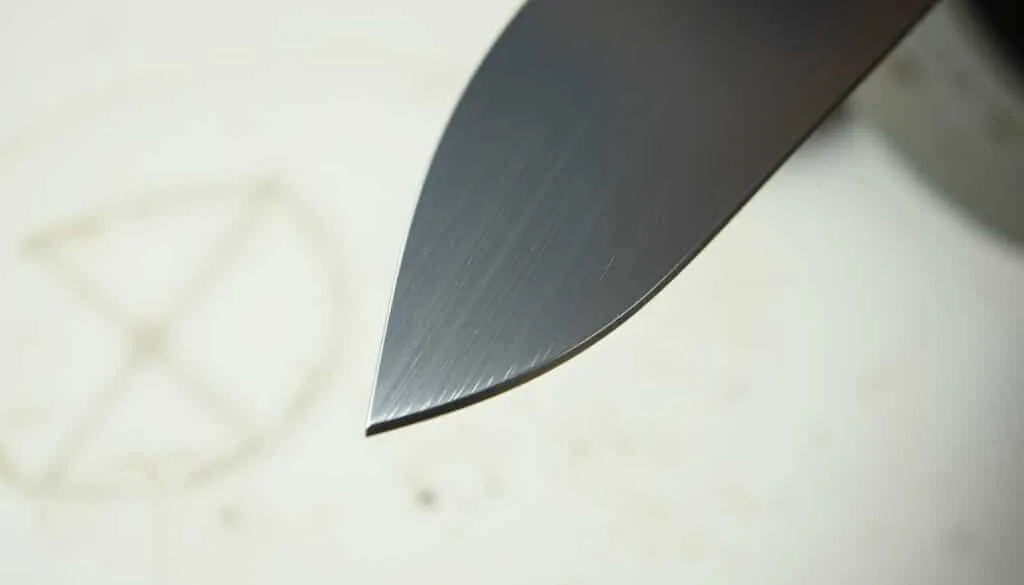
Many homeowners assume that freshly purchased equipment comes perfectly prepared for immediate action. When you install replacement cutting components, there’s often a question about their initial condition. This common concern deserves careful examination.
Manufacturers typically ship these components with factory-level sharpening already completed. The cutting edges arrive prepared for their first encounter with your turf. Understanding this initial state helps establish proper maintenance routines from day one.
Starting with correctly honed cutting tools makes a significant difference in your mowing experience. Blade quality directly influences fuel efficiency, equipment longevity, and overall lawn health. Proper sharpness ensures clean cuts that promote vigorous grass growth.
Key Takeaways
- Factory-sharpened cutting components typically arrive ready for immediate use
- Initial blade condition establishes important maintenance habits
- Sharp cutting edges significantly improve fuel efficiency
- Proper blade sharpness promotes healthier grass growth
- Clean cuts prevent grass damage and disease
- Starting with sharp blades extends equipment lifespan
- Recognizing sharp versus dull blades helps timing maintenance
Understanding: Do You Need to Sharpen New Lawn Mower Blades?
Factory-fresh mower blades arrive with professionally honed edges designed for optimal performance. These cutting components typically require no immediate maintenance attention. Understanding when maintenance becomes necessary helps establish effective care routines.
When Mower Blades Require Attention
Regular maintenance follows a predictable schedule for most homeowners. A standard guideline suggests sharpening every 25 hours of operation. This translates to approximately one or two sessions per year for average lawn sizes.
Unexpected events can accelerate the need for blade maintenance. Striking hard objects like rocks or roots during operation creates immediate damage. These impacts cause nicks and dents that compromise cutting efficiency.
| Condition | Action Required | Frequency/Timing |
|---|---|---|
| Normal wear | Routine sharpening | Every 25 hours or annually |
| Impact with debris | Immediate inspection | After striking hard objects |
| Visible edge damage | Prompt sharpening | When nicks or dents appear |
Identifying Dullness and Nicks
Visual inspection reveals much about blade condition. Look for rounded edges instead of sharp angles along the cutting surface. Visible nicks indicate immediate sharpening requirements.
Tracking mowing hours helps anticipate maintenance needs before performance suffers. Establishing baseline sharpness makes recognizing deterioration easier over time. Proper edge maintenance ensures consistent cutting quality.
Signs Your Mower Blades Need Sharpening
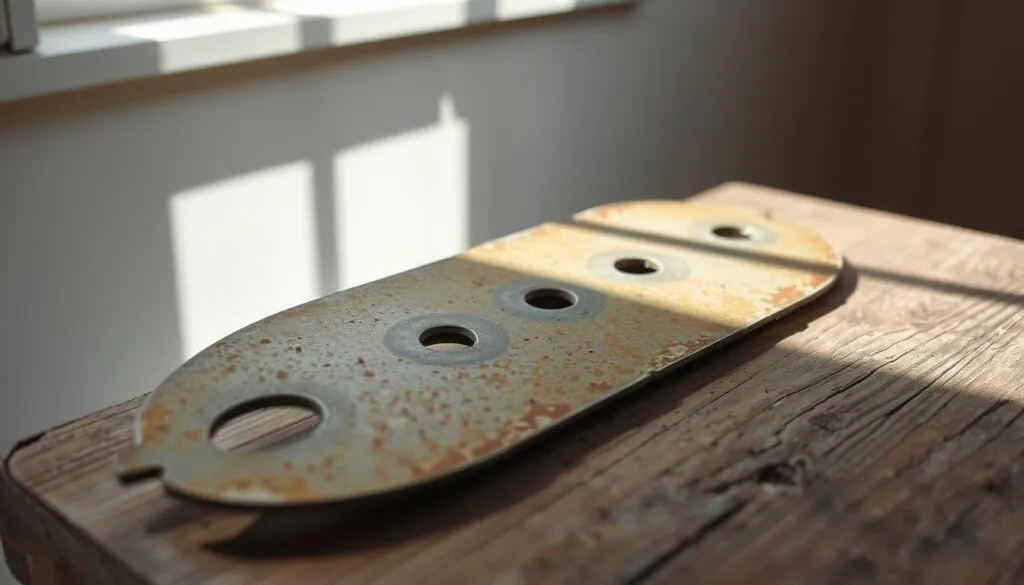
Several clear indicators signal when your grass-cutting tools have lost their sharp edge. Recognizing these symptoms early prevents damage to your turf and maintains equipment efficiency.
Ragged Grass Tips and Uneven Cuts
Sharp cutting components create a clean cut that promotes healthy growth. When edges become dull, they tear through vegetation instead of slicing cleanly.
This tearing action causes brooming—a condition where grass tips appear frayed and ragged. You’ll notice brown tips developing as damaged tissue dies back.
Uneven cutting patterns reveal blade deterioration. Some areas may appear untouched while others show torn, damaged grass. This inconsistency indicates the cutting edge requires attention.
Excessive Mowing Passes and Increased Fuel Use
Dull equipment struggles to cut efficiently on the first pass. You might find yourself making multiple passes over the same area to achieve acceptable results.
According to Cornell University’s Turfgrass Program, dull cutting edges can increase fuel consumption by up to 20 percent. The engine works harder to compensate for reduced cutting efficiency.
This power drain affects all equipment types—gas, battery, and electric models. Maintaining sharp edges ensures optimal performance regardless of power source.
| Condition | Grass Appearance | Cutting Efficiency | Fuel Consumption |
|---|---|---|---|
| Sharp Blades | Clean, straight edges | Single pass sufficient | Optimal efficiency |
| Dull Blades | Ragged, torn tips | Multiple passes needed | Up to 20% increase |
Factors Affecting Mower Blade Sharpening Frequency
The scale of your outdoor space significantly influences maintenance intervals for grass-cutting equipment. Larger properties demand more frequent attention to cutting components. Understanding these variables helps create personalized maintenance schedules.
Impact of Lawn Size and Mowing Conditions
Property dimensions directly correlate with sharpening needs. A one-acre yard typically requires blade attention three to four times annually. Smaller quarter-acre spaces may only need yearly maintenance.
Grass variety creates noticeable differences in wear patterns. Warm-season types like Zoysiagrass feature thicker blades that accelerate edge deterioration. Cool-season grasses generally cause slower dulling.
Soil composition affects cutting component longevity. Sandy conditions introduce abrasive particles into the mower deck. These particles create small nicks that compromise cutting efficiency.
Landscape terrain influences maintenance frequency. Uneven yards cause more soil contact during mowing sessions. Debris-filled properties dramatically increase sharpening requirements throughout the season.
Tracking mowing hours against property size provides accurate maintenance timing. This approach ensures optimal performance regardless of specific conditions.
Maintenance and Benefits of Keeping Your Mower Blades Sharp
Maintaining sharp cutting edges on your equipment delivers substantial benefits beyond simple grass trimming. Consistent care ensures optimal performance season after season. This practice protects your investment and enhances your lawn’s overall quality.
Improved Cutting Efficiency and Fuel Savings
A properly honed blade slices through grass cleanly. This efficient action reduces mowing time and engine strain.
Your equipment consumes less fuel when it doesn’t struggle against dull edges. Sharp blades maintain peak efficiency with every pass across the turf.
Enhancing Lawn Health and Appearance
Clean cuts from a sharp edge help grass heal faster. Ragged tears from a dull blade cause stress and moisture loss.
According to the University of California, grass loses less water when cut with a sharp blade.
Healthier grass naturally resists pests and diseases. This reduces the need for chemical treatments throughout the year.
Practical Maintenance Tips and Safety Considerations
Regular inspection is the first step in proper blade care. Check for nicks and imbalance after sharpening.
Always follow the manufacturer’s specified angle for the best edge. Avoid making the blade razor-sharp; a butter knife sharpness lasts longer.
Use an angle grinder with caution to prevent overheating the metal. Keeping a spare blade on hand allows for quick swaps during the busy season.
| Maintenance Aspect | Benefit | Recommendation |
|---|---|---|
| Regular Sharpening | Clean cuts, reduced stress | 5-10 sharpenings before replacement |
| Proper Angle | Optimal performance, longevity | Refer to mower manual |
| Blade Balance | Smooth operation, less vibration | Check after each sharpening |
| Professional Service | Expert edge, convenience | Costs $50-$70 on average |
Conclusion
The journey to professional-quality lawn care results starts with recognizing the importance of blade condition. Factory-prepared cutting edges typically require no immediate attention, allowing you to focus on establishing consistent maintenance habits.
Learning to identify dullness indicators—ragged grass tips, uneven cuts, and increased fuel consumption—enables proactive care. This prevents lawn quality deterioration before it becomes noticeable.
Your specific maintenance schedule depends on property size, grass type, and mowing conditions. While the standard 25-hour guideline provides a baseline, adjust it based on your unique circumstances.
Keeping cutting edges properly maintained delivers multiple advantages. Healthier turf, reduced disease risk, and improved equipment efficiency all contribute to superior results.
Implementing the practical tips discussed—regular inspection, proper sharpening angles, and balance checking—makes lawn care more effective. These practices ensure your equipment performs optimally throughout each season.
The investment in proper blade maintenance pays substantial dividends. You’ll enjoy better lawn health, reduced operating costs, and professional-quality cutting results that enhance your property’s appearance.
FAQ
Do brand new lawn mower blades come sharp enough to use?
Yes, most new blades are sharpened at the factory and ready for immediate use. The edge should be clean and free of burrs. Sharpening is generally not required before the first mow, saving you time and effort.
What are the main signs that my mower blade needs sharpening?
Look for ragged, torn grass tips instead of a clean cut. An uneven cut across your yard and the need for multiple passes over the same area are also strong indicators. Dull blades can also strain the engine, reducing performance and efficiency.
How often should I sharpen my lawn mower blades?
The frequency depends on your mowing conditions. For an average-sized yard, sharpening once or twice per mowing season is typical. If your lawn has sandy soil or you frequently hit debris, you may need to sharpen the edge more often to maintain cutting quality.
Can I sharpen the blades myself, and what tools are needed?
Absolutely. With proper safety precautions, you can use a bench grinder or a metal file. The key is to maintain the original cutting angle. Always disconnect the spark plug before removing the blade for maintenance to ensure safety.
What are the benefits of keeping my mower blades sharp?
Sharp blades provide a cleaner cut, which promotes healthier grass. This improved efficiency also reduces fuel consumption and engine wear. A well-maintained blade is crucial for the overall health and appearance of your lawn.