
That shiny, brand new lawn mower is ready to go. Or is it? Many homeowners face a common dilemma right out of the box. The question of preparing a factory-fresh blade is a critical first step for a healthy lawn.
Not all blades are created equal. The quality from the manufacturer varies greatly. Some arrive with a sharp edge ready for action. Others might have a coating or a less-than-perfect grind.
This initial decision impacts your entire season. A clean cut from the start promotes lush, green grass. A poor cut can tear the grass, leaving it vulnerable to disease. Getting the right answer for your specific mower is the most important thing before the first time you use it.
This guide will help you evaluate your new blades. We provide clear steps to determine if sharpening is necessary immediately. You will gain the confidence to make the best choice for your equipment and yard.
Key Takeaways
- The sharpness of brand new mower blades can vary significantly by manufacturer.
- A blade’s initial condition directly affects the health and appearance of your lawn.
- Some new blades have a protective coating that may affect the first cut.
- Inspecting the blade edge before the first use is a crucial step.
- Understanding when to sharpen ensures optimal performance from the start.
- The correct decision saves time and promotes a healthier lawn throughout the season.
Understanding the Importance of Sharp Mower Blades
https://www.youtube.com/watch?v=4NuJ3tbja1Y
Many homeowners overlook the fundamental connection between tool maintenance and landscape vitality. The cutting edge quality directly influences your entire outdoor environment. This relationship forms the cornerstone of effective lawn care practices.
Benefits for Lawn Health
A sharp blade creates clean, precise cuts that promote rapid grass recovery. Torn or shredded grass blades struggle to heal properly. Clean cuts minimize stress and reduce disease vulnerability.
The quality of each cut affects long-term lawn resilience. Healthy grass can better withstand environmental challenges. Proper cutting techniques support overall yard vitality.
Enhanced Cutting Efficiency
Sharp blades require less effort during mowing sessions. The equipment operates more smoothly with proper edge maintenance. This efficiency translates to time savings and better results.
There’s a noticeable difference in performance between well-maintained and dull equipment. A quality cut enhances the entire lawn mower experience. Regular attention to blade condition ensures consistent performance.
| Feature | Sharp Blade Performance | Dull Blade Results |
|---|---|---|
| Grass Health | Clean cuts, quick healing | Torn blades, disease risk |
| Cutting Efficiency | Smooth operation, one pass | Multiple passes required |
| Lawn Appearance | Uniform, green texture | Brown, frayed tips |
| Equipment Strain | Reduced vibration, less wear | Increased stress, faster deterioration |
Expert Insight: should you sharpen new mower blades?
Manufacturers approach edge preparation differently across product lines and brands. Factory sharpness levels vary significantly, making universal recommendations difficult. Understanding these differences helps determine the best approach for your equipment.
Evaluating Manufacturer Recommendations
Many companies ship cutting tools with what they consider adequate edges. Oregon Gator products, for example, often arrive with protective coatings. These coatings help prevent corrosion during storage and shipping.
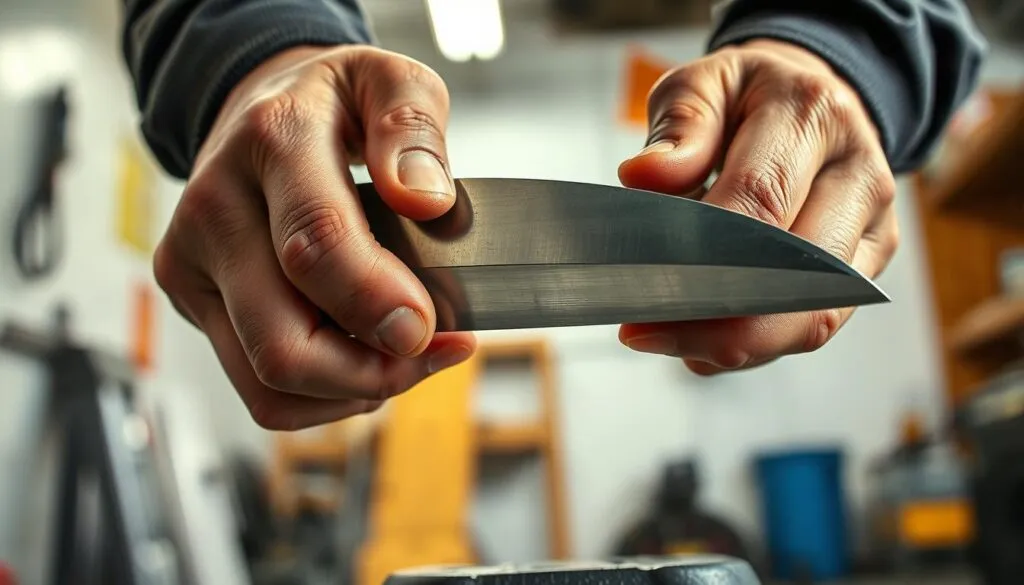
The edge on a brand new blade may not meet performance expectations. Some manufacturers intentionally leave edges slightly dull for safety reasons. This practice reduces injury risks during handling and installation.
Inspecting the cutting edge reveals its true condition. Look for burrs, thick paint coverage, and overall sharpness quality. Comparing it to a properly maintained mower blade provides valuable context.
| Factory Condition | Typical Brands | Recommended Action |
|---|---|---|
| Protective coating, moderate edge | Oregon, some economy lines | Light sharpening recommended |
| Ready-to-use sharp edge | Premium commercial brands | Immediate use acceptable |
| Dull edge, safety focus | Consumer safety brands | Definite sharpening needed |
Most experts suggest preparing the edge before first use. This ensures optimal cutting performance from the beginning. The decision ultimately depends on inspection results and performance expectations.
Preparing to Sharpen Your Mower Blades
Proper preparation transforms blade maintenance from a chore into a precise, efficient process. Having the right equipment ready saves time and ensures professional results. This approach prevents frustration and promotes safety throughout the task.
Essential Tools and Equipment
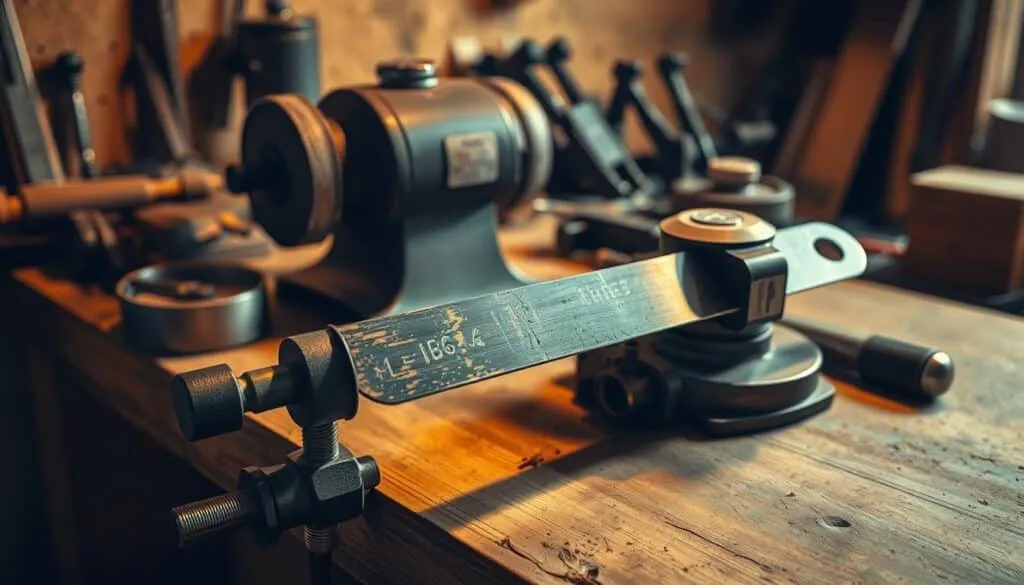
Gathering the correct tools before starting makes the job smoother. A bench grinder or angle grinder provides the fastest method for home sharpening. Manual options like metal files offer more control for careful work.
Essential equipment includes:
- Heavy-duty work gloves for hand protection
- Safety glasses to shield eyes from debris
- A blade balancer for checking balance after sharpening
- Marker for identifying the correct installation side
Safety Guidelines for Sharpening
Safety remains the top priority when working with cutting tools. Always disconnect the spark plug wire before removing any lawnmower blade. This simple step prevents accidental starting during handling.
Maintain a firm grip and consistent angle when using the grinder. Follow the original bevel on each side to preserve the cutting geometry. These preparation tips ensure successful maintenance every time.
Step-by-Step Process for Sharpening Mower Blades
A systematic approach to blade maintenance delivers professional results with minimal effort. Following these steps ensures proper preparation and execution.
Cleaning and Inspecting the New Blades
Begin with thorough cleaning to remove protective coatings and oils. This reveals the true condition of the cutting edge. Inspection identifies any manufacturing defects or irregularities.
Examine both sides carefully for nicks or imperfections. Pay close attention to the edge quality before proceeding.
Choosing the Right Sharpening Technique
Maintain the original factory angle between 30 and 45 degrees. Consistency across the entire edge ensures optimal performance. Use a grinder with smooth, even passes.
Aim for durability rather than extreme sharpness. The ideal edge resembles a butter knife more than a razor blade. This balance provides efficient cutting without fragility.
Blade Balancing to Minimize Vibration
Proper balance prevents excessive vibration that damages equipment. Use a blade balancer after sharpening each cutting edge. Check for horizontal balance without tipping.
Remove small amounts of metal from the heavier end if needed. Avoid altering the cutting edge during this process. Consistent balance ensures smooth operation over time.
Conclusion
Making the right decision about blade preparation sets the foundation for your entire mowing season. The initial condition of cutting edges directly impacts lawn health and equipment performance from the first use.
Most brand new cutting tools benefit from light edge refinement before their debut cut. This practice establishes excellent maintenance habits that serve your yard well for years. The visible difference in grass appearance confirms the value of proper preparation.
Regular attention to blade condition remains essential throughout the season. Consistent care ensures each cut promotes optimal grass health and appearance. These practices transform ordinary lawn maintenance into professional-quality results.
Investing time in proper equipment care yields significant returns in lawn vitality and equipment longevity. The effort pays dividends through healthier grass and smoother mowing experiences season after season.
FAQ
Is it necessary to sharpen a brand new lawnmower blade?
Typically, a brand new blade comes from the factory with a sufficient edge for cutting grass. Sharpening it before the first mow is often not required. The primary concern is to inspect the cutting edge for any burrs or imperfections from shipping that could affect the quality of the cut.
What are the signs that a mower blade needs sharpening?
Look for a ragged, torn appearance on your grass tips instead of a clean slice. Increased effort from the mower, uneven cutting height, and a general decline in lawn health are clear indicators that the edge has dulled and requires attention.
How often should lawn mower blades be sharpened?
For optimal performance, plan to sharpen the blade after every 20-25 hours of mowing time. This routine maintenance helps maintain cutting efficiency and promotes a healthier yard. If you hit rocks or other debris, inspect and sharpen the blade immediately.
Can I sharpen my mower blades myself, and what tools do I need?
Yes, with the right equipment like a bench grinder or a reliable file, you can perform this task at home. Essential steps include safely removing the blade, cleaning it thoroughly, and following the original cutting angle. Always check the balance afterward to prevent vibration.
Why is blade balancing so important after sharpening?
An unbalanced blade causes excessive vibration, which can damage the mower’s spindle and engine over time. After sharpening, a simple blade balancer ensures both sides have equal weight, leading to smoother operation and longer equipment life.