
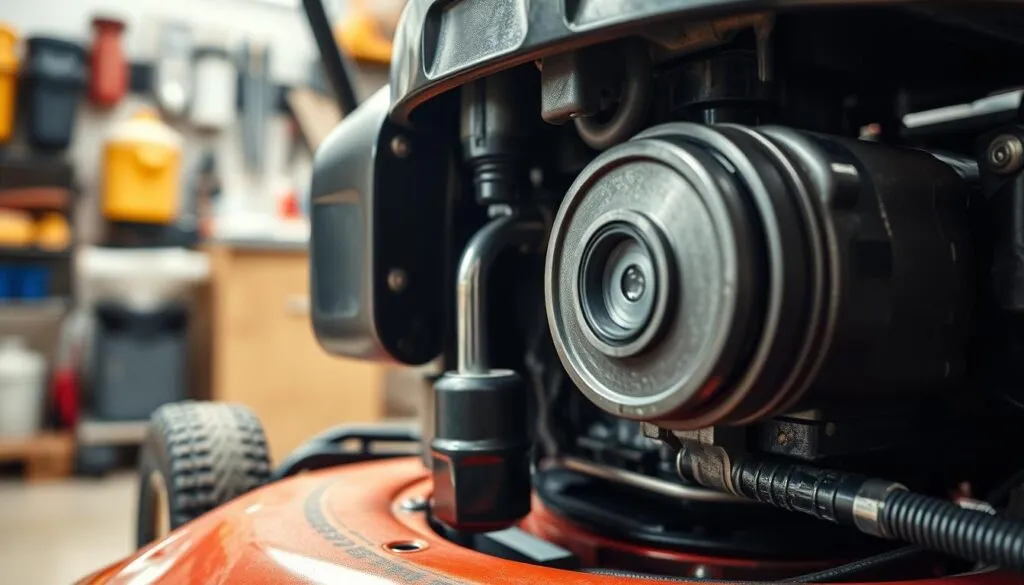
Is your lawn equipment secretly costing you more than it should? Many people believe that once they start their mower, the hard work is done. But the truth is, what happens between mowing sessions determines your machine’s true performance and lifespan.
Your lawn mower’s engine relies on proper lubrication to run smoothly. Using the correct amount and type of fluid is not just a suggestion—it’s a necessity. This simple step prevents overheating and protects vital internal components from wear.
Most walk-behind models have a specific capacity, often between 15 and 18 ounces. The right choice depends on your climate. For warmer weather, SAE 30 works well. If temperatures vary, consider SAE 10W-30. For the best all-around protection, Synthetic SAE 5W-30 is a top choice.
Regular checks during the season and a full change every 50 hours or annually are crucial. This guide will empower you with the knowledge for confident equipment care. You can ensure reliable operation and a beautiful lawn for years to come.
Key Takeaways
- Proper oil maintenance is essential for your lawn mower’s performance and longevity.
- The correct amount of oil prevents engine damage and costly repairs.
- Most walk-behind mowers require between 15 and 18 ounces of oil.
- Check oil levels regularly and change the oil every 50 hours or annually.
- Choose your oil type based on your local temperature range for optimal protection.
- Understanding your mower’s needs saves money on professional servicing.
- A well-maintained mower ensures a pristine lawn and reliable equipment.
Understanding Your Push Mower’s Oil Requirements
The lifeblood of your machine’s power plant is the fluid that keeps its parts moving smoothly. Getting this element right prevents costly repairs and extends your equipment’s service life significantly.
Why Proper Oil Levels Matter
Your mower engine depends on correct fluid levels for three critical functions: lubrication, cooling, and cleaning. When levels drop too low, metal components grind against each other. This friction generates excessive heat that can warp parts and cause complete failure.
Overfilling creates different problems. Excess fluid causes pressure buildup and foaming. This aerated mixture cannot lubricate properly and may leak past seals. Both situations damage your equipment.
Engine Types and Their Oil Specifications
Different engine designs have unique requirements. Most residential walk-behind models use small engines needing 15 to 18 ounces. Commercial units designed for continuous operation often require different specifications.
Key factors determining your engine’s needs include:
- Engine size and design (side-valve vs. overhead-valve)
- Manufacturer engineering standards
- Operating conditions and temperature ranges
- Equipment type and intended usage frequency
Always use high-quality detergent oil meeting SF, SG, SH, SJ or higher classifications. Avoid special additives that may disrupt the engine’s balanced lubrication system.
Choosing the Right Oil for Your Mower
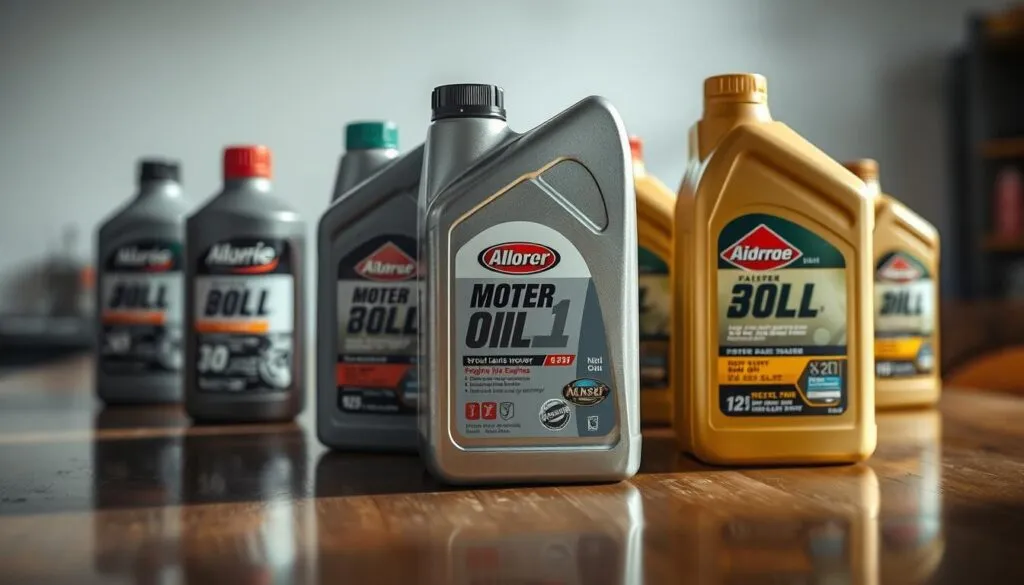
Finding the ideal lubricant involves understanding both your climate and your equipment’s design specifications. The correct choice ensures optimal performance across different seasons.
Oil Types and Temperature Considerations
Temperature ranges significantly impact your lubricant selection. SAE 30 works well in warmer conditions above 40°F. For fluctuating weather, SAE 10W-30 offers better cold starting.
In very cold conditions, SAE 5W-30 provides reliable performance. Synthetic versions deliver superior protection across all temperature ranges. They also reduce consumption during hot weather.
Manufacturer Recommendations and Quality Standards
Always follow manufacturer specifications for your equipment. High-quality detergent oils with SF, SG, SH, or SJ classifications provide proper engine protection.
Avoid adding extra additives to your mower oil. Quality formulations already contain necessary detergents. This maintains warranty compliance and engine health.
The right oil choice depends on your local climate patterns. Synthetic options offer year-round flexibility without seasonal changes.
how much oil to put in push mower
Getting the lubrication volume correct is essential for maintaining your equipment’s performance and longevity. Precise measurement prevents engine damage and ensures smooth operation throughout the mowing season.
Checking Your Mower’s Capacity
Most walk-behind models require between 15 and 18 ounces for proper operation. The exact amount depends on your specific engine model and manufacturer specifications.
To verify your fluid level accurately, park the equipment on a flat surface. Remove the dipstick cap and wipe it clean with a cloth. Reinsert the cap fully, ensuring the teeth align with the tube grooves.
Remove the cap again and check the markings. The level should fall between the “Full” and “Add” indicators. If it’s near the lower mark, add small amounts gradually.
Consulting the Owner’s Manual
Your owner manual provides the most reliable guidance for your specific equipment. Different models from various manufacturers have unique capacity requirements.
Consulting this document ensures you add the precise amount recommended by the manufacturer. This prevents overfilling, which can cause pressure issues and leaks.
The maintenance section typically contains exact specifications for your engine model. Following these guidelines protects your investment and maintains optimal performance.
Step-by-Step Guide to Changing Your Mower’s Oil

Performing your own maintenance is a rewarding way to extend your equipment’s life. This guide breaks down the process into simple, manageable steps.
Following these instructions ensures a smooth procedure. You will protect your engine and keep your lawn looking great.
Preparation and Safety Tips
Safety is the first step. Always work on a level surface with a cool engine. Gather your supplies before you begin.
You will need new engine oil, a drain pan, a funnel, and safety gear. Thick gloves and glasses protect you from hot components and spills.
Disconnect the spark plug wire. This crucial action prevents the engine from starting accidentally. It is your most important safety measure.
Draining and Refilling the Oil
Warm the engine by running it for a few minutes. This thins the fluid for easier drainage. Then, turn off the machine.
Locate the fill cap and remove it. Carefully tilt the equipment to drain the used oil into your pan. Allow it to flow out completely.
If your model has a filter, replace it now. Apply a light coat of new lubricant to the gasket before installing the fresh unit.
- Add new fluid slowly using a funnel.
- Check the level frequently with the dipstick.
- Avoid overfilling beyond the full mark.
Securely replace the cap and wipe up any spills. Start the engine briefly to circulate the new lubricant. Check for leaks around the cap and filter.
Dispose of the old fluid responsibly. Many auto parts stores, like AutoZone, offer free recycling for used engine oil.
Maintaining Your Mower: Best Practices and Tips
Consistent care transforms your equipment from a seasonal tool into a long-term investment. Proper maintenance extends your machine’s lifespan and ensures reliable performance throughout each cutting season.
Establishing a regular schedule is crucial for effective equipment care. Your routine should include checking fluid levels before each mowing session. This simple habit prevents severe engine damage.
Regular Maintenance Routines
For new lawn equipment, complete the first service after 5-10 hours of operation. This initial change removes manufacturing residue from the break-in period. It sets the foundation for long-term reliability.
Watch for warning signs that indicate needed service. Black or gritty fluid on the dipstick signals contamination. Unusual engine noises or declining performance also require attention.
- Maintain a detailed journal tracking service dates and operating hours
- Check and clean the air filter before each mowing season
- Inspect spark plugs and sharpen blades annually
- Clean the mower deck after each use to prevent buildup
Seasonal Checks and Adjustments
Your seasonal checklist should include comprehensive equipment inspection. Change fluid at the start of each mowing season for optimal protection. Examine all parts for wear or damage during this service.
For winter storage, always drain gas to prevent fuel system issues. The lubricant can safely remain in the engine during off-season months. Store your equipment in a covered, secure location.
Frequent use in dusty conditions or tall grass may require more service. Adjust your maintenance schedule based on operating conditions and equipment performance.
Conclusion
Your commitment to proper fluid care ensures your lawn care equipment delivers consistent performance season after season. Regular maintenance protects your investment and maintains optimal function for all your outdoor power tools.
Following manufacturer guidelines for your specific model guarantees correct fluid level and proper change intervals. Checking before each use and selecting the right type for your temperature range prevents damage to engine parts.
This knowledge empowers you to maintain beautiful lawn results with reliable equipment. Your well-cared-for mower will serve you faithfully through many cutting seasons.
FAQ
How often should I change the oil in my lawn mower?
For most walk-behind mowers, you should perform an oil change after the first five hours of use. After that, change it every 50 hours or at least once per mowing season. Always consult your owner’s manual for specific service intervals for your model.
What type of oil is best for my mower engine?
Most small engines use SAE 30 detergent motor oil. For colder temperatures, a 10W-30 grade is often recommended for easier starting. Check your owner’s manual for the manufacturer’s specific recommendations to ensure optimal performance and protection.
How do I check the oil level in my push mower?
Ensure the engine is on a level surface and cool. Locate the dipstick, unscrew it, wipe it clean, and reinsert it fully without screwing it in. Pull it out again to check if the oil level is between the “Full” and “Add” marks on the dipstick.
What happens if I overfill the oil in my mower?
Overfilling can cause serious damage. Excess oil can lead to excessive crankcase pressure, oil foaming, and improper lubrication. This can result in smoking, hard starting, and even permanent engine damage. Always add oil slowly and check the level frequently.
Do I need to change the oil filter during service?
Not all push mowers have a replaceable oil filter. Many smaller engines do not include one. If your equipment has an oil filter, it should be replaced with every oil change. Refer to your manual to confirm if your model has this part.
Can I use synthetic oil in my lawn mower?
Yes, synthetic oil is an excellent choice for mower engines. It provides superior protection, especially under high temperatures and heavy loads. Just make sure the viscosity grade matches your manufacturer’s requirements for your climate and engine type.