
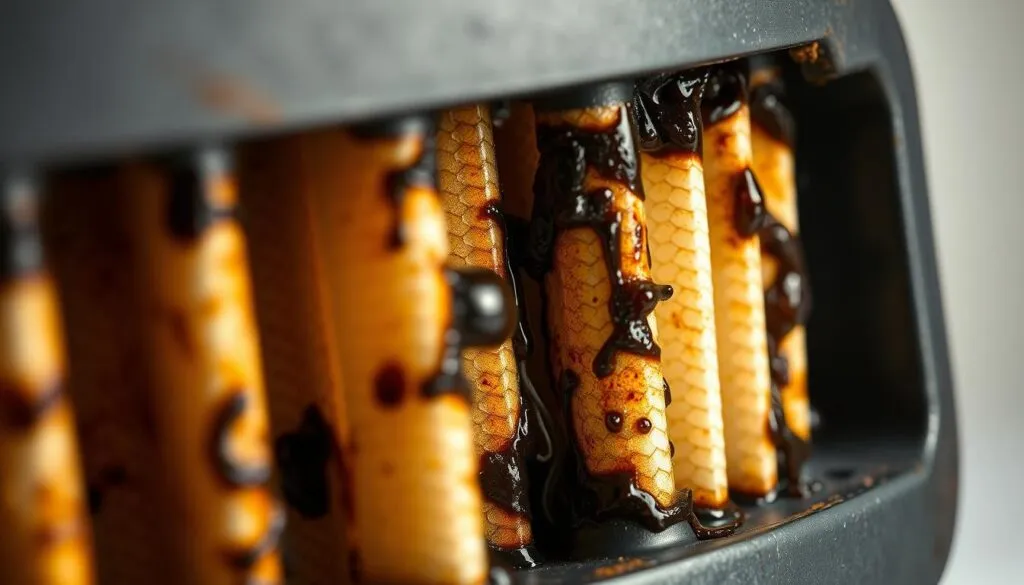
Have you ever opened up your equipment’s housing and found a greasy, unwelcome surprise? Discovering a pool of oil saturating the air filter is a common headache for many lawn care enthusiasts. This frustrating issue can leave you searching for a clear answer.
This problem often stems from a simple mistake. When you tip your lawn mower on its side incorrectly, engine lubricant can drain into places it doesn’t belong. The crankcase breather tube connects to the carburetor area, creating a path for the fluid to travel.
Whether from an accidental tip or a more complex mechanical fault, understanding the cause is the first step to a fix. This guide will walk you through all potential reasons, from operator error to internal wear. You will learn how to diagnose the issue and implement a permanent solution.
Addressing this contamination quickly is crucial. Taking prompt action protects your machine’s heart from damage and ensures your property maintenance remains efficient for seasons to come.
Key Takeaways
- Improperly tipping your equipment is a leading cause of oil reaching the air filter.
- The crankcase ventilation system provides a pathway for oil to travel.
- Other potential causes include overfilling and worn internal components.
- Quick diagnosis and action can prevent serious engine damage.
- Understanding your mower’s systems is key to preventing future issues.
- This guide provides a complete diagnostic and repair roadmap.
Understanding the Problem: Factors Behind Oil in the Air Filter
Finding engine lubricant contaminating the air filtration component is a common issue. This situation typically results from pressure imbalances within your equipment’s internal systems.
Engine Dynamics and Oil Behavior
Your equipment’s power plant operates with precise pressure regulation. As the piston moves within the cylinder, it creates changing pressure conditions.
Normal operation allows minimal pressure release through the ventilation pathway. However, excessive pressure forces lubricant through the breather tube toward the intake area.
Role of the Air Filter and Crankcase Ventilation
The filtration component sits near the carburetor intake point. This positioning makes it vulnerable to contamination from the ventilation system.
The crankcase ventilation pathway normally releases only air and minimal mist. When this balance disrupts, significant lubricant flow occurs. The filter traps this fluid, leading to saturation.
Equipment positioning affects lubricant behavior. Tilting machines incorrectly allows gravity to pull fluid upward through the ventilation tube. Understanding these relationships helps prevent future contamination issues.
Diagnosing the Issue on Your Lawn Mower

Proper diagnosis requires checking several key components in a specific sequence. This systematic approach helps you identify whether you’re dealing with a simple overfill or serious internal wear.
How to Check Oil Level and Air Filter Condition
Begin by locating the dipstick on your equipment. Carefully check the oil level to see if it exceeds the “FULL” mark. Overfilling creates excessive pressure that forces lubricant through the ventilation system.
Next, remove the air filter from its housing. Examine it closely for saturation. A dripping or soaked filter confirms oil migration has occurred.
After removing the contaminated filter, check oil again. A significant drop in the oil level indicates substantial transfer into the filtration system.
Identifying Signs of Worn Piston Rings or Valve Issues
To test for worn internal components, perform a specific diagnostic procedure. Remove the air filter and start the engine on clean pavement.
Watch the carburetor opening for spitting oil. If you see this combined with blue smoke from the exhaust, your rings or valve guides are likely worn.
Worn rings allow compression to escape into the crankcase. This builds pressure that forces lubricant into the air intake. Also inspect the spark plug for oily deposits.
These steps provide the answer to whether you need simple maintenance or engine repairs.
Troubleshooting: Why Does My Mower Blow Oil into the Air Filter?
Taking corrective action after discovering fluid in the intake filter requires specific maintenance steps. Following proper procedures ensures your equipment returns to optimal performance.
Step-by-Step Maintenance and Cleaning Procedures
Begin by replacing the contaminated air filter immediately. A saturated filter cannot function properly even after cleaning.
Remove the spark plug and clean it thoroughly with a wire brush. Alternatively, install a new plug for reliable ignition.
Detach the muffler from the engine side to drain accumulated fluid. Clean the area with appropriate solvent before reassembly.
Adjusting the Carb and Inspecting the Vent Tube
Examine the vent tube connecting the crankcase to the carburetor area. Ensure this pathway remains clear and unobstructed.
Check the float valve inside your carb for proper operation. A stuck float can cause fuel contamination issues.
Use the correct 30W oil weight specified for lawn equipment. Heavier oils may contribute to ventilation problems over time.
Always consult your owner’s manual for model-specific guidance. Proper maintenance prevents recurring contamination issues.
Conclusion
With the knowledge gained from this comprehensive guide, you’re now equipped to maintain your lawn care machine effectively. Understanding the proper way to handle your equipment prevents common issues before they develop. You have the answers to diagnose problems accurately.
Regular maintenance routines protect your investment. Always check the oil level before operation and inspect the air filter condition. Proper handling prevents smoke and contamination issues from occurring.
Your engine performance depends on these simple habits. Consistent care ensures your lawn receives quality cutting for years. Keep this guide handy for future reference when maintaining your outdoor power equipment.
FAQ
What causes oil to appear in my lawn mower’s air filter?
This problem often stems from an overfilled crankcase, a clogged crankcase ventilation system, or internal engine wear. Too much oil creates excess pressure, forcing it up the vent tube and into the air intake. Worn piston rings or a faulty valve can also cause blow-by, pushing oil mist into the filter.
How do I check the oil level correctly on my mower?
First, ensure the engine is off and cool. Locate the dipstick, wipe it clean, and reinsert it fully without screwing it in. Pull it out again to check the level. The oil should be between the “Full” and “Add” marks. Overfilling is a common mistake that leads to spitting oil.
Can a dirty air filter cause oil to blow back?
A severely clogged air filter can contribute to the issue. It creates a vacuum that can draw oil through the crankcase vent system. Always inspect your filter for dirt and debris. Replace it if it’s damaged or excessively dirty to maintain proper engine airflow.
What should I do if my mower is smoking and spitting oil?
Smoking and spitting oil are strong indicators of excess oil or engine problems. Immediately check the oil level and drain any extra oil. If the level is correct, the smoking likely points to worn internal components like piston rings, requiring professional diagnosis.
Where is the crankcase vent tube, and how do I clean it?
The vent tube is a small hose running from the engine crankcase to the air intake or carburetor. It allows pressure to escape. Locate this tube, disconnect it, and clean any blockages with a suitable solvent. A clogged tube is a frequent culprit for pushing oil into the air filter.