
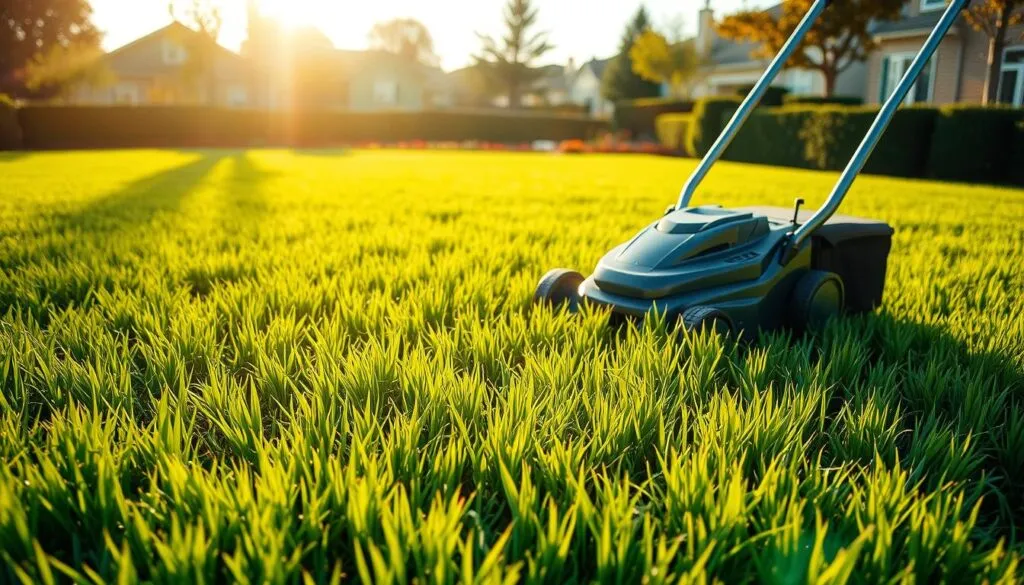
What if the secret to a thick, healthy lawn isn’t just about the cut, but the very first cut? Many homeowners rush this critical step, unknowingly risking the future of their entire turf. Timing that initial mowing event is a delicate balance.
Patience truly becomes your greatest tool. For a lawn grown from seed, this waiting period can stretch up to eight weeks. Turf established with sod, however, may be ready for its debut trim in just two to four weeks. The core principle is simple: the young plants need time.
This essential period allows tender shoots to develop a strong, anchoring root system beneath the soil. Mowing too soon can easily pull up these fragile beginnings, setting your lawn’s growth back significantly. Waiting too long, on the other hand, can create a different kind of stress when you finally cut the overgrown blades.
This guide will walk you through the signs of readiness. You will learn to assess your lawn’s progress based on grass type, weather, and establishment method. Our goal is to give your turf the best possible start for a lush, resilient future.
Key Takeaways
- Timing the first mow is critical for the long-term health and establishment of your turf.
- Lawns started from seed require a significantly longer establishment period (up to 8 weeks) than those laid as sod (2-4 weeks).
- The primary goal is to allow the grass to develop a strong root system before introducing the stress of mowing.
- Cutting too early can uproot tender shoots, while waiting too long can shock the lawn with a severe cut.
- Visual cues and grass height are reliable indicators of readiness for that first mow.
- Factors like grass species, season, and soil conditions influence the ideal timing.
- Proper techniques for the first cut and subsequent care are essential for promoting thick, healthy growth.
Understanding the Growth Stages for a New Lawn
The journey from bare soil to a lush, green carpet hinges on recognizing the distinct growth phases of your turf. Each establishment method follows its own timeline, directly influencing the optimal moment for that crucial initial cut.
Seeded Lawns: Ideal Height and Timing
A newly seeded lawn demands significant patience. You should typically wait about eight weeks after sowing. This period allows for seed germination, which can span 4 to 30 days based on species and soil conditions.
The key indicator of readiness is height. When the blades reach 3 to 4 inches, the roots are usually strong enough to handle mowing. This growth signals sufficient root development beneath the surface.
Sod Lawns: Recognizing When Roots Are Established
Installing sod provides a head start, often allowing for a first mow in just 2 to 4 weeks. The critical factor is root anchorage into your native soil.
You can perform a simple “tug test” to check. Gently pull on a corner of a sod strip. If it resists and holds firm, the roots have established. Mowing too early risks shifting or tearing the sod.
How Long Before You Mow New Grass: Key Timing Insights
Seasonal conditions dramatically influence how quickly your turf reaches mowing readiness. The climate during establishment directly impacts growth rates and determines the ideal window for that initial trim.
Seasonal Weather and Moisture Considerations
Warm-season varieties like Bermudagrass and Zoysiagrass experience peak growth from late spring through early fall. Consistent warm temperatures accelerate development, meaning your first mow might come sooner than expected.
Cool-season grasses including tall fescue and Kentucky bluegrass grow fastest during spring and fall. These periods with temperatures between 60-75°F create optimal growth conditions.
Proper water management is equally crucial. New lawns often require twice-daily watering for the first 10-14 days. This moisture supports root development while promoting blade growth.
Indicators of a Healthy, Ready Lawn
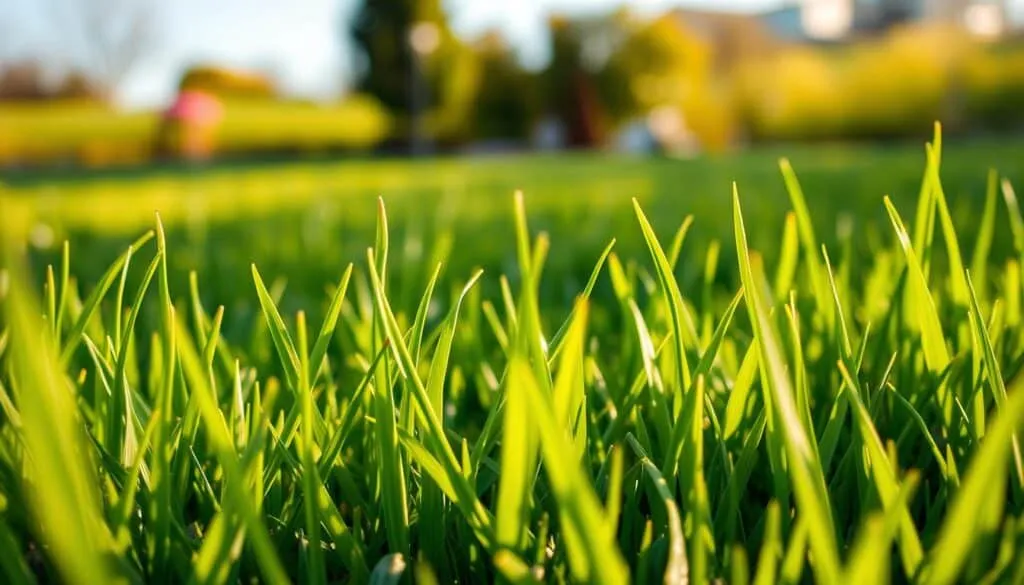
Visual cues help identify the right time mow. Look for uniform, dense growth with blades standing upright rather than sparse or floppy. Multiple blades should emerge from each plant base.
The appropriate height remains a reliable indicator. Most types reach readiness at 3-4 inches, providing sufficient leaf surface for recovery after cutting. This minimizes stress on young plants.
Physical testing confirms root establishment. Gently tug on grass plants—resistance indicates strong anchorage. Your lawn demonstrates true readiness when roots hold firmly in soil.
Essential Mowing Techniques for New Grass
The equipment and methods you employ during those critical first trims can determine whether your lawn thrives or merely survives. Proper technique minimizes stress on developing plants while promoting healthy establishment.
Mower Blade Maintenance and Cutting Practices
Sharp mower blades are non-negotiable for cutting new grass effectively. Dull blades tear rather than slice, creating ragged wounds that invite disease. Each clean cut allows faster recovery with reduced stress.
Set your mowing height to approximately 3 inches for initial sessions. This protects tender blades while supporting root development. Always ensure grass is completely dry before beginning any cutting activity.
Implementing the One-Third Rule for Stress-Free Mowing
The one-third grass blade rule is essential for young turf. Never remove more than one-third of the total blade height in a single session. Exceeding this threshold forces plants to draw on root reserves.
This principle maintains critical energy stores in lower blade portions. For a final height of 2 inches, mow when grass reaches 3 inches. Consistent application prevents physiological stress throughout establishment.
Vary your mowing pattern with each session to encourage upright growth. Alternate directions to prevent soil compaction and avoid creating permanent ruts in developing turf.
Pre- and Post-Mow Care to Boost Lawn Health
Your turf’s ability to thrive after its inaugural trim depends heavily on the steps taken just before and after. This comprehensive care minimizes stress and encourages robust growth.
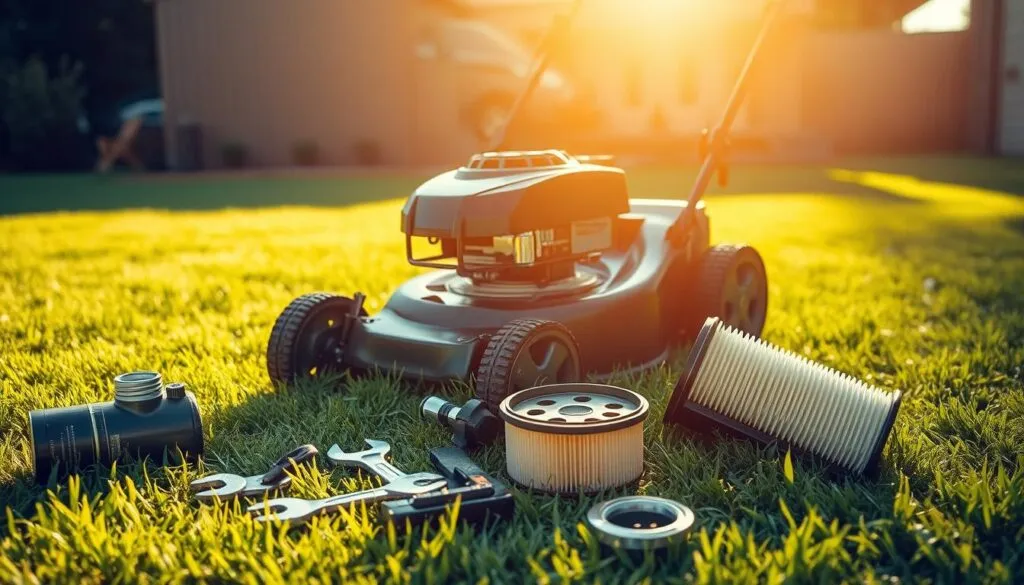
Thoughtful preparation sets the stage for success. A final check ensures everything is ready for that important event.
Preparing Your Mower and Checking Lawn Conditions
Make sure your equipment is in top condition. Sharp blades create clean cuts for faster healing. A clean mower prevents spreading old debris.
Walk the area to assess conditions. The lawn should be firm and completely dry. Plan your path to avoid compacting the soil.
Post-Mow Strategies: Watering, Mulching, and Recovery
Provide a gentle watering session early the next morning. This aids recovery without promoting disease. It helps the grass heal and supports deeper root development.
Leaving clippings on the lawn returns valuable nutrients. This natural mulch acts as a slow-release fertilizer. Monitor the turf for several days for any signs of distress.
Schedule a follow-up trim in 3-5 days to gradually reach the ideal height. This careful timing is also crucial when overseeding a fescue lawn.
| Task Category | Specific Action | Key Benefit |
|---|---|---|
| Pre-Mow Preparation | Sharpen mower blades | Ensures a clean cut, reducing plant stress |
| Pre-Mow Preparation | Check tire pressure | Guarantees an even cutting height across the lawn |
| Pre-Mow Preparation | Verify grass is dry | Prevents clumping and disease spread |
| Post-Mow Care | Water in the early morning | Supports recovery and minimizes evaporation |
| Post-Mow Care | Mulch grass clippings | Recycles nutrients back into the soil |
| Post-Mow Care | Inspect for weeds | Prevents competition for resources |
Conclusion
The foundation for years of lush greenery is built during those crucial early weeks of lawn establishment. Mastering the appropriate timing for that initial cutting event separates exceptional turf from average results.
Your understanding of establishment periods—approximately eight weeks for seeded areas versus two to four weeks for sod installations—provides the framework for success. Recognizing visual cues like proper height and performing the tug test ensures roots have properly anchored in the soil.
Proper techniques during the first mow, including sharp blades and the one-third rule, minimize stress on developing plants. This careful approach encourages strong root development and dense growth patterns.
Regular maintenance following establishment promotes lateral spread and weed resistance. The patience invested during the start phase yields lasting benefits through reduced future care requirements.
Whether beginning with seed or sod, these evidence-based practices guide you toward a vibrant, resilient landscape that enhances property value and enjoyment for seasons to come.
FAQ
What is the most important rule for cutting new grass for the first time?
The most critical guideline is the one-third rule. You should never remove more than one-third of the grass blade’s height in a single mowing session. This practice prevents stress on the young plants and encourages a strong root system.
How can I tell if my newly seeded lawn is ready for its first mow?
Your lawn is typically ready when the grass blades have reached a height of about 3 to 4 inches. Gently tug on a few blades; if they resist, the root system is established enough. Also, ensure the soil is firm and not overly wet to avoid damaging the turf.
Are there different timing considerations for seeded lawns versus sod lawns?
Yes. Sod lawns often establish roots faster. You can usually perform the first cut within 2 to 3 weeks after installation. Seeded lawns require more patience, often needing 3 to 4 weeks or more to grow to a suitable mowing height.
What is the best mowing height for a young lawn?
Set your mower to a high setting. A cutting height between 3 and 3.5 inches is ideal for the first few mows. This taller height shades the soil, conserves moisture, and helps crowd out weeds while the turf matures.
How does weather affect the timing of the first mow?
Weather plays a huge role. Mow when the grass is dry to ensure a clean cut and prevent clumping. Avoid mowing during a drought or extreme heat, as this adds stress. Cool, mild weather is best for encouraging healthy growth after cutting.
Why is mower blade sharpness so important for a new lawn?
Dull mower blades tear and shred the delicate grass blades instead of cutting them cleanly. This creates open wounds that make the lawn susceptible to disease and stress. A sharp blade ensures a healthy cut and a quicker recovery.