
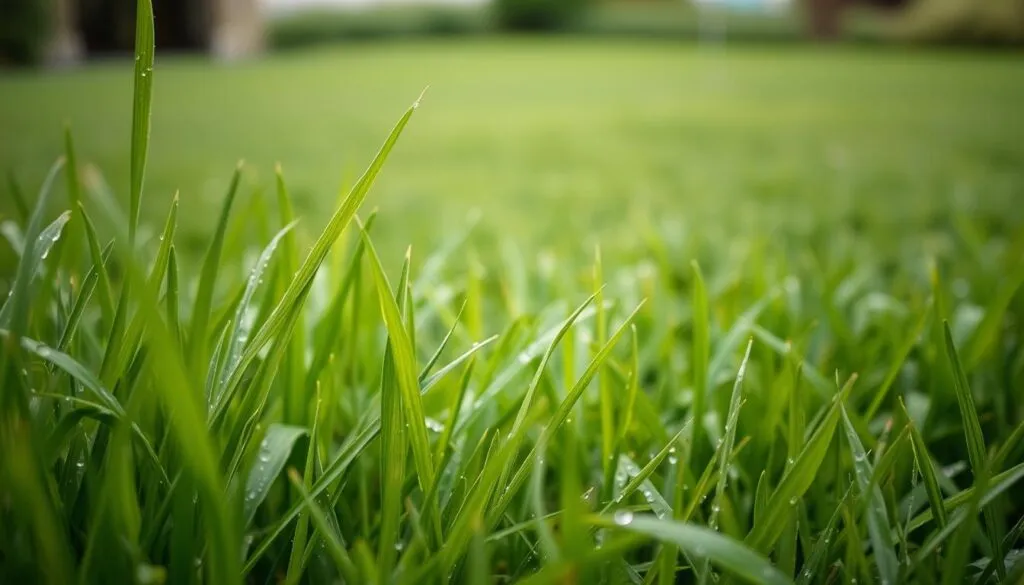
What if everything you thought about lawn maintenance timing was completely wrong? Many homeowners face the same early morning dilemma when dew covers their turf or after a sudden rain shower passes through.
This common situation presents a critical decision for property maintenance. The choice between waiting for drier conditions or proceeding with cutting affects both your landscape’s vitality and your equipment’s durability.
Across American neighborhoods, maintaining lush, healthy turf remains a year-round priority for many residents. While technically possible to cut damp vegetation, significant considerations exist that every property owner must understand.
This comprehensive guide explores the realities of dealing with moist lawn conditions. You’ll discover expert advice and practical solutions for maintaining optimal turf health in various weather situations.
Key Takeaways
- Mowing damp turf presents unique challenges for both lawn health and equipment
- Proper timing affects your landscape’s appearance and long-term vitality
- Equipment maintenance becomes more critical when dealing with moist conditions
- Understanding the consequences helps make informed lawn care decisions
- Alternative strategies exist for maintaining your property between dry periods
- Safety considerations change when working with wet landscaping conditions
- Professional insights can guide your approach to seasonal lawn maintenance
Understanding the Impact of Wet Conditions on Your Lawn
While a rain-soaked yard seems ready for trimming, the aftermath tells a different story. Moisture fundamentally changes how vegetation responds to cutting equipment.
Water weight causes blades to bend rather than stand upright. This creates an uneven cutting surface that compromises turf health.
Soil Compaction and Grass Clumping
Heavy equipment pressing down on saturated ground creates serious soil compaction. This process suffocates root systems by cutting off their oxygen supply.
Repeated compaction leads to thin, patchy growth and permanent ruts. These depressions create uneven surfaces that require professional aeration to remedy.
Damp grass clippings clump together instead of dispersing evenly. These dense mats block essential sunlight, water, and airflow from reaching the vegetation below.
Risk of Disease and Fungal Growth
Moist environments create ideal breeding grounds for pathogens. Torn blades from imperfect cutting provide easy entry points for infections.
Common fungal issues include dollar spot, rust disease, and red thread. Each creates distinctive discoloration patterns across affected areas.
Equipment can spread disease spores throughout the entire landscape during operation. What begins as a localized problem becomes widespread infection.
When to Mow: Timing After Rain and Dew
Proper scheduling of turf maintenance following moisture events prevents multiple landscape issues. Understanding drying patterns helps determine the ideal window for cutting activities.
Ideal Mowing Hours for Dry Grass
Mid-morning offers optimal conditions after dew evaporation occurs. Late afternoon provides another excellent opportunity when temperatures moderate.
Wait 2-5 hours following light precipitation before attempting to cut. Heavy rainfall requires a full day of drying time for best results.
Vegetation needs adequate drying time for blades to stand upright. This ensures clean, even cuts rather than tearing or clumping.
How to Test Your Lawn’s Moisture
Perform a simple walk-through test across your property. If footwear becomes damp, additional drying time remains necessary.
Visual inspection reveals important moisture clues. Morning dew typically evaporates within hours, while rain-soaked turf requires significantly longer recovery.
Touch individual blades to assess saturation levels. Dry vegetation feels crisp and resilient to the touch.
Should You Mow Wet Grass? Best Practices Explained
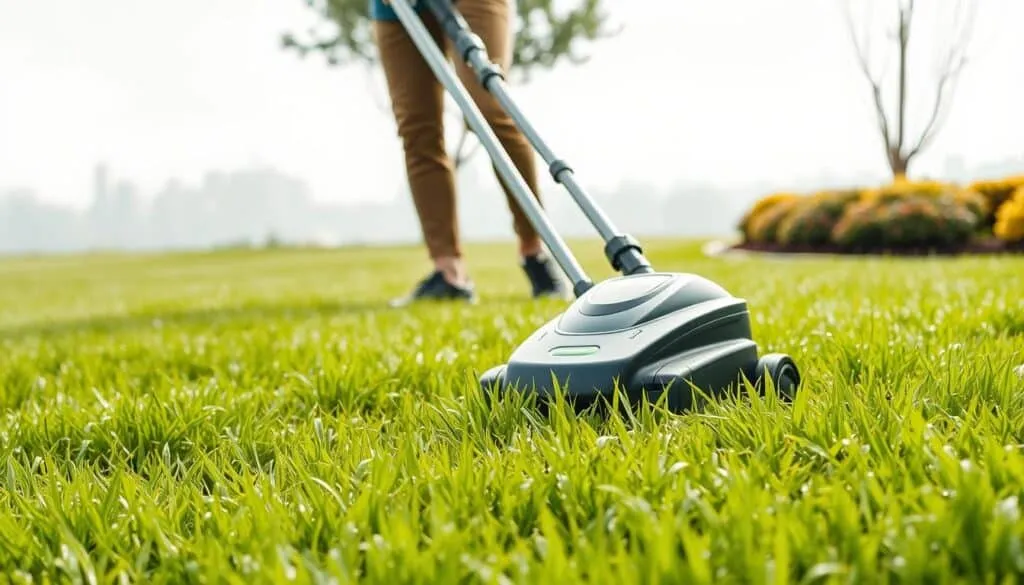
Extended wet weather periods often create situations where cutting damp vegetation becomes unavoidable for property maintenance. During prolonged rainy seasons, turf growth continues while drying opportunities become scarce.
These circumstances require specific techniques to minimize damage to both landscape and equipment. Proper preparation turns a challenging task into manageable property care.
Proper Mower Adjustments and Blade Maintenance
Begin with sharpened cutting implements. Crisp edges create clean cuts that reduce tearing on moisture-laden turf.
Raise the cutting height to its maximum setting. This approach prevents excessive strain on the equipment and reduces clumping.
Move at a slower pace than usual. A deliberate speed allows blades to cut effectively through damp vegetation.
Use side discharge instead of mulching or bagging systems. Wet clippings quickly clog collection mechanisms and mulching decks.
Periodically stop to clear accumulated debris from the mower deck. This maintenance prevents performance issues during extended sessions.
Choosing the Right Mower for Wet Conditions
Self-propelled models offer significant advantages in damp situations. Their consistent forward motion provides better cutting precision.
However, heavier equipment may cause soil compaction in saturated ground. Consider wheel size and weight distribution when selecting machinery.
These equipment choices and adjustments form the foundation of successful damp turf maintenance. Proper technique preserves lawn health during unavoidable wet conditions.
Mowing Wet Grass: Potential Risks and Equipment Damage
The hidden costs of cutting damp vegetation extend far beyond cosmetic lawn issues to critical equipment damage. Moisture creates multiple mechanical hazards that compromise machinery performance and longevity.
Mower Blade Clogging and Rust Issues
Damp vegetation clippings create immediate problems under the mower deck. These moist fragments stick to metal surfaces, accumulating rapidly into dense masses.
The discharge chute becomes blocked, preventing proper grass flow. This creates compacted material that impedes blade movement. The equipment experiences significant strain as it fights through resistance.
Moisture remaining on metal components initiates oxidation processes. This leads to rust formation on blades and deck surfaces. Corrosion damage often requires expensive repairs or premature replacement.
Engine Overheating and Excessive Strain
When blades struggle against heavy, water-laden vegetation, excessive pressure transfers to the engine. This resistance causes overheating and potential failure.
Water infiltration presents another serious hazard. Moisture can seep into fuel systems, causing operational malfunctions. The equipment may stop working entirely due to fluid contamination.
Fuel efficiency drops dramatically under these conditions. The combined weight of soaked clippings and engine strain increases consumption. Electric models face particular challenges with limited torque capacity.
These combined issues—clogging, corrosion, and mechanical strain—significantly shorten equipment lifespan. Proper maintenance becomes essential after any damp cutting session.
Safety Measures When Mowing in Wet Conditions
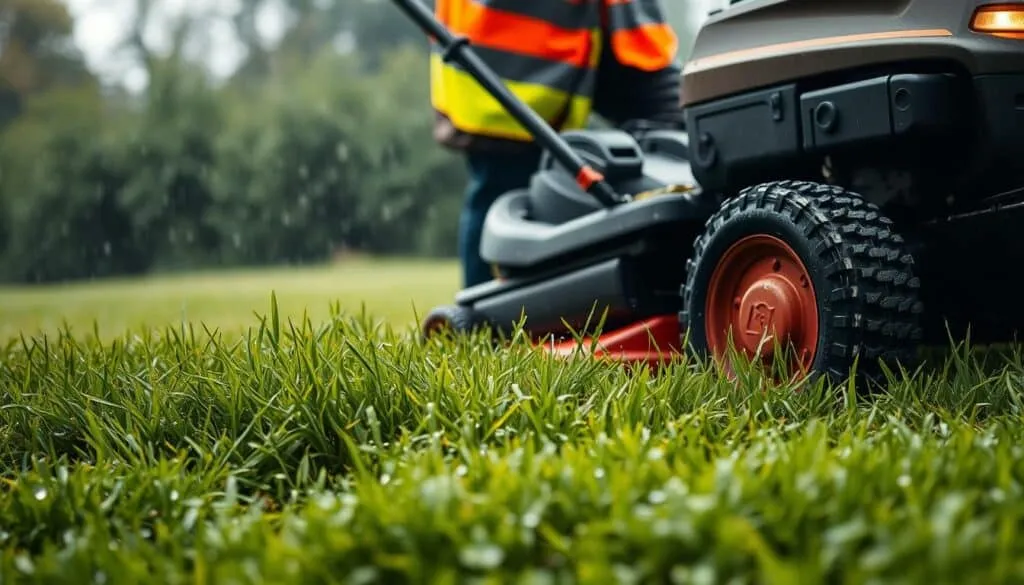
The combination of water and machinery creates a dangerous scenario that requires careful safety planning. Personal wellbeing becomes the paramount concern when considering landscape maintenance during moist periods.
Moisture transforms ordinary turf into a slippery surface that increases accident potential. This hazard becomes particularly pronounced on sloped or uneven terrain where footing becomes unstable.
Preventing Slips and Falls
Statistics reveal the seriousness of lawn equipment accidents. Over 250,000 people received medical treatment for mower-related injuries in a single year according to the U.S. Consumer Product Safety Commission.
Inclined areas present additional challenges during damp conditions. The soil becomes more slippery, making it difficult to maintain proper footing. This significantly increases the risk of losing control of equipment.
Electric models introduce shock hazards when used with extension cords in moist environments. Water and electricity create a dangerous combination that can result in serious injury.
Essential protective measures include wearing footwear with excellent traction. Maintaining a firm grip on the equipment and avoiding sudden movements provides additional security.
When significant slopes exist or conditions remain excessively moist, postponing cutting tasks represents the wisest decision. No maintenance urgency outweighs personal safety considerations.
Tips to Mitigate Lawn Damage and Improve Drainage
Proactive landscape management begins with addressing the root causes of water retention. Implementing strategic drainage solutions transforms problematic turf into resilient green space.
Core aeration stands as the most effective method for combating soil compaction. This process extracts small plugs measuring 2 to 4 inches deep at regular intervals.
These extraction points create channels for essential air, water, and nutrients to reach grass roots. Heavy clay soils benefit particularly from this treatment.
Implementing Aeration and Core Practices
Soil compaction develops gradually in high-traffic areas. Foot traffic and equipment weight compress earth particles until they form a hard crust.
This crust prevents proper water percolation, leading to surface pooling. Regular aeration breaks up compacted layers, improving drainage significantly.
Well-drained turf recovers faster from rainfall events. Efficient water movement from the surface provides a maintenance advantage during damp periods.
Simple techniques can remove excess moisture before maintenance activities. Dragging a hose pipe across the surface pushes water toward edges.
| Drainage Solution | Best For | Frequency | Key Benefit |
|---|---|---|---|
| Core Aeration | Clay Soils | Annual | Relieves Deep Compaction |
| Topdressing | Sandy Soils | Seasonal | Improves Water Retention |
| French Drain | Low-Lying Areas | Permanent | Redirects Excess Water |
| Grading Correction | Sloped Properties | As Needed | Prevents Water Pooling |
These strategies collectively reduce rut formation and waterlogging conditions. Proper drainage minimizes the frequency of challenging maintenance situations.
Expert Advice for Mowing in Damp Conditions
Expert landscapers share specialized techniques for maintaining turf during unavoidable damp periods. Professional approaches focus on equipment preparation and strategic adjustments.
Gas-powered mowers with sufficient horsepower handle cutting wet vegetation more effectively. These equipment choices prevent overheating that plagues electric models.
Insights on Mower Maintenance
Properly sharpened blades create clean cuts that minimize tearing. This reduces stress on both vegetation and machinery.
Applying mower deck spray creates a non-stick coating underneath the mower. This professional technique prevents constant clogging during operation.
Thorough cleaning after use removes all residue from blades and deck components. This practice prevents rust and long-term damage to your equipment.
Adjusting Mower Height for Better Results
Raise cutting height one to two settings above normal levels. This approach follows the “one-third rule” for removing only the top portion of vegetation.
Heavy ride-on mowers risk creating ruts on waterlogged ground. When soil feels spongy, lighter walk-behind models provide better turf protection.
Certain grass varieties demonstrate better resilience to moist conditions. Fescues and ryegrasses withstand periods of waterlogging effectively.
Bermuda grass handles seasonal rain but requires sunlight. St. Augustine tolerates shade and rainfall but struggles with standing water.
Buffalo grass stands as one of the hardiest varieties thanks to deep roots. Zoysia becomes disease-prone in saturated soil conditions.
Alternate Lawn Care Strategies for Rainy Days
When persistent rainfall disrupts regular cutting routines, alternative strategies become essential. Extended wet periods require creative approaches beyond traditional maintenance schedules.
Strategic timing adjustments offer significant benefits. Waiting just an hour or two for vegetation to dry results in better outcomes with less effort. This approach reduces strain on both equipment and landscape.
When to Consider Hiring a Lawn Care Professional
Professional services provide practical solutions during challenging weather. Experts possess specialized equipment designed for damp conditions. Their knowledge ensures optimal techniques for property maintenance.
Purdue University research supports this approach. “It’s better to cut slightly wet grass than let it grow excessively high.” This guidance helps homeowners make informed decisions.
Certain situations warrant professional assistance. Extended rainy seasons, sloped properties, and drainage issues create complex challenges. Declining turf health indicates the need for expert intervention.
| Situation | DIY Approach | Professional Solution | Key Benefit |
|---|---|---|---|
| Extended Rainy Season | Frequent equipment cleaning | Commercial-grade mowers | Prevents lawn damage |
| Sloped Property | Safety concerns | Specialized equipment | Reduces accident risk |
| Poor Drainage | Waterlogged conditions | Aeration services | Improves soil health |
| Equipment Limitations | Frequent breakdowns | Proper tool selection | Saves long-term costs |
Investing in professional care during rainy periods prevents costly issues. This approach safeguards against disease problems and equipment repairs. The long-term savings outweigh initial service costs.
Conclusion
The ultimate decision about lawn maintenance timing often comes down to balancing practicality with landscape health. While cutting damp turf remains technically possible, numerous challenges make waiting for drier conditions the superior choice.
Primary reasons to avoid this practice include soil compaction, uneven cuts, increased disease risk, and equipment damage. Safety hazards and poor results further complicate the situation.
When circumstances require action despite moist conditions, essential practices include sharp blades, raised cutting height, and slow operation. Proper equipment cleaning and safety prioritization become critical.
Proactive strategies like drainage improvement and appropriate turf selection reduce wet cutting frequency. Understanding when conditions become too saturated protects both landscape vitality and personal safety.
Professional assistance offers practical solutions during persistent damp periods. Following these guidelines helps maintain lawn health and appearance through various weather challenges.
FAQ
What is the biggest risk of cutting wet grass?
The most significant risk is soil compaction. The weight of the mower can press down on soggy ground, creating ruts and damaging grassroots. This compaction reduces air pockets in the soil, making it harder for your lawn to absorb water and nutrients.
How long should I wait after rain to mow my lawn?
It is best to wait at least 24 hours after a heavy rain. For light rain or morning dew, waiting a few hours for the sun to dry the blades is often sufficient. Test the moisture by walking on the grass; if your footprints disappear quickly, the conditions are likely acceptable.
Can mowing wet grass damage my equipment?
Yes. Wet grass clippings are heavy and sticky, leading to frequent clogs under the mower deck. This places excessive strain on the engine and can cause overheating. The moist clippings also promote rust on the mower blades and deck, shortening the equipment’s lifespan.
Are there special mowers for damp conditions?
While no mower is designed specifically for wet grass, a mulching mower with sharp blades can sometimes handle damp conditions slightly better by cutting clippings finer. However, the best practice is to use a well-maintained mower with a high horsepower engine to reduce strain.
What safety precautions are essential for mowing on a wet lawn?
The primary concern is preventing slips and falls. Wear shoes with excellent traction and be extra cautious on slopes. Always mow across inclines, not up and down, to maintain stability. Be aware that wet grass can hide debris, increasing the risk of projectiles.
How can I improve my lawn’s drainage to avoid wet mowing scenarios?
Implementing core aeration once or twice a year is highly effective. This process removes small plugs of soil, alleviating compaction and allowing water to penetrate deeper into the ground instead of pooling on the surface. Better drainage leads to a healthier lawn and more flexible mowing schedules.
When is it better to hire a professional instead of mowing a wet lawn myself?
Consider hiring a lawn care professional if your schedule is inflexible and you must cut the grass despite wet conditions. Professionals have commercial-grade equipment better suited to handle the strain and have the expertise to minimize potential damage to your turf.