
Ever wonder if you’re pushing your mower too slow or racing it too quickly across the yard? Finding that perfect pace is the secret to a beautiful lawn.
This guide dives into the world of mower velocity. You will learn what determines the travel rate of different equipment. Understanding this is crucial for both the health of your grass and the efficiency of your weekend chores.
Speed is not just about finishing the job in record time. It is about achieving a clean, even cut. The right tempo prevents damage and avoids leaving unsightly patterns on your property.
From simple push models to advanced zero-turn machines, the capabilities vary greatly. We will explore the specific performance ranges for various types. This knowledge helps you plan your maintenance schedule and choose the best equipment for your terrain.
Key Takeaways
- Mower velocity significantly impacts the quality of your cut and the health of your grass.
- Different types of equipment, like push and riding mowers, operate at vastly different paces.
- The optimal speed balances efficiency with a clean, professional-looking result.
- Modern technology offers various settings to match your property’s size and layout.
- Knowing your machine’s capabilities helps you accurately estimate mowing time.
- A proper pace prevents scalping your lawn and ensures even clippings distribution.
Introduction to Lawn Mower Speeds and Lawn Care
Mastering the tempo of your outdoor maintenance equipment is essential for both visual appeal and plant vitality. The right operational rate ensures your green space receives proper attention without causing harm.
Why Mower Speed Matters
Your equipment’s travel rate directly impacts cutting quality. Industry experts recommend 3-6 mph as the optimal range for effective mowing.
Exceeding this velocity causes problems. The deck’s leading edge pushes grass forward without allowing proper recovery before cutting. This creates an uneven appearance across your property.
Rapid turns on soft or damp ground leave scuff marks. These unsightly damages can take weeks to repair properly. Thick grass requires slower processing to prevent clumping.
Overview of Key Lawn Mower Features
Several components work together to determine optimal operating performance. Deck design and blade configuration significantly influence cutting efficiency.
Suspension systems maintain consistent cutting height on uneven terrain. Advanced blade technology affects how grass gets processed and discharged. Cutting width and propulsion systems also contribute to overall effectiveness.
Balancing velocity with grass condition and moisture levels achieves the best results. Proper equipment care reduces the need for multiple passes. This approach minimizes fuel consumption and extends machine lifespan.
Understanding How Fast Does a Lawn Mower Go
Operational velocity plays a crucial role in determining both the quality of your cut and the time investment required. Different equipment types offer distinct performance capabilities that suit various property sizes and conditions.
Key Terminology and Concepts
Mower speeds are typically measured in miles per hour (mph), indicating ground travel rate. Blade rotation is measured in revolutions per minute (RPM). Understanding the difference between ground speed and blade speed helps optimize cutting efficiency.
Effective mowing speed differs from maximum capable velocity. Most operators use moderate paces for better results.
| Mower Type | Speed Range (mph) | Primary Use Case |
|---|---|---|
| Push Mower | 2-3 mph | Small to medium yards |
| Self-Propelled | 3-4 mph | Moderate slopes and larger areas |
| Riding Mower | 4-5 mph | Large, open properties |
| Zero-Turn | 5-8 mph | Commercial and complex landscapes |
Factors That Dictate Mower Speed
Engine power significantly influences achievable speeds. Higher horsepower maintains performance in dense grass conditions. Transmission type also affects control, with hydrostatic systems offering variable adjustment.
Terrain characteristics impact actual operating speeds. Slopes, obstacles, and ground conditions require slower, more careful operation for safety and quality results.
Key Factors Affecting Mower Speed and Efficiency
Your equipment’s cutting effectiveness relies on a combination of well-maintained systems working in harmony. Several mechanical components directly influence your operational pace and the final appearance of your turf.
Impact of Engine Power and Blade Condition
Engine performance provides the necessary force to maintain consistent velocity through challenging conditions. Adequate horsepower prevents bogging down when tackling thick or damp grass. This ensures steady progress without sacrificing cutting quality.
Blade sharpness dramatically affects your equipment’s efficiency. Sharp blades create clean cuts that heal quickly. Dull blades tear grass, causing brown tips and increased disease susceptibility.
Professional landscapers typically sharpen their cutting tools every 8-12 hours of operation. Homeowners should aim for sharpening at least every 25 hours. This maintenance schedule preserves optimal performance throughout the season.
Tire Pressure and Deck Cleanliness
Proper tire inflation is crucial for maintaining even cutting height. Under-inflated or over-inflated tires create uneven results and uncomfortable operation. Check pressure regularly for smooth, consistent performance.
Deck cleanliness often gets overlooked but significantly impacts airflow and blade rotation. Grass buildup underneath restricts proper cutting action. Inspect for excessive accumulation every 5-6 hours of mowing.
Scrape away debris to maintain optimal airflow. Clean decks prevent clumping and ensure even distribution of clippings. This simple maintenance step enhances overall cutting efficiency.
Comparing Mower Speeds by Type
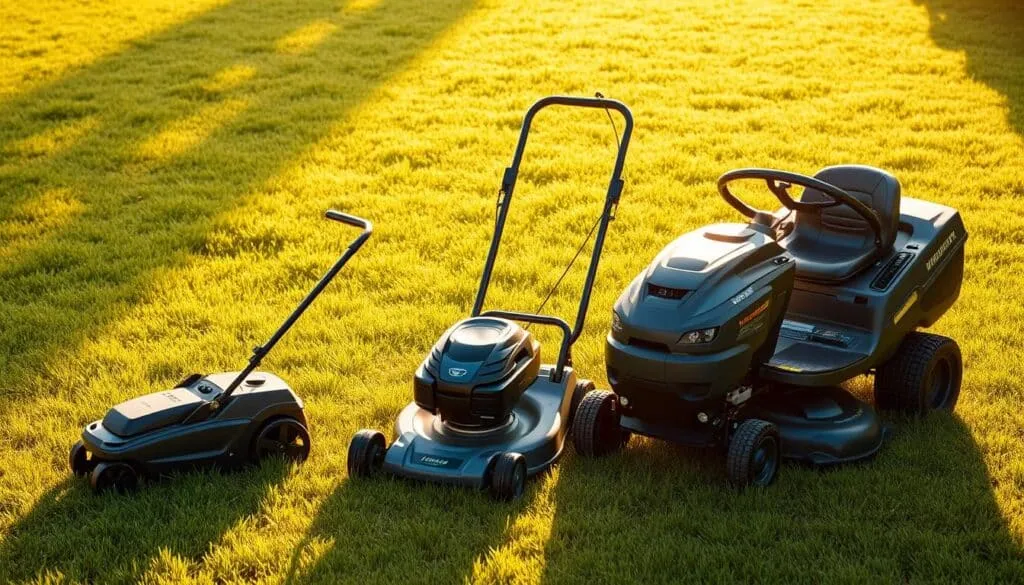
Choosing the right equipment involves understanding how different mower types perform at various speeds. Each category operates within specific velocity ranges that suit particular property sizes and conditions.
Push, Self-Propelled, and Riding Mowers
Manual push mowers move at 2-3 mph, with speed controlled entirely by your walking pace. These tools work well for small lawns under ¼ acre where physical exertion isn’t overwhelming.
Self-propelled models increase efficiency with motor-powered wheels achieving 3-4 mph. They reduce operator fatigue while maintaining good control. This makes them ideal for moderate slopes and larger areas.
Standard riding mowers typically travel at 4-5 mph. They’re perfect for medium to large properties between ½ and 2 acres. These machines offer comfortable operation with reasonable speed for most residential needs.
Zero-Turn and Specialized Mowers
Zero-turn mowers represent the performance category, reaching 5-8 mph. Their independent rear wheel control provides exceptional maneuverability around obstacles. This makes them perfect for larger or complex landscapes.
Lawn tractors operate similarly to standard riding mowers at 3-5 mph. They offer additional versatility for towing attachments and handling various yard maintenance tasks on large, flat properties.
Specialized robotic mowers move slowly at 0.5-2 mph but provide hands-free convenience through autonomous operation. Higher speed doesn’t always mean better performance—the right mower type balances velocity with control and cutting quality.
Calculating Mowing Time for Your Lawn
Knowing the exact duration required for cutting your grass helps streamline your outdoor maintenance schedule. Accurate estimates prevent rushed work and ensure proper coverage.
Using Lawn Size and Mower Width to Estimate Time
The basic formula for calculating mowing time is straightforward: Time ≈ Lawn Area ÷ (Mower Speed × Cutting Width). This calculation gives you realistic planning estimates.
For example, a ¼ acre property (10,890 square feet) with a 20-inch self-propelled unit traveling at 3 mph takes approximately 25 minutes. Convert measurements properly for accuracy.
| Equipment Type | Cutting Width | Time for ¼ Acre | Acres Per Hour |
|---|---|---|---|
| Push Mower | 18 inches | 37.5 minutes | 0.6 acres |
| Self-Propelled | 21 inches | 25 minutes | 1.0 acres |
| Riding Mower | 36 inches | 15.7 minutes | 1.9 acres |
| Zero-Turn | 50 inches | 12.3 minutes | 3.5 acres |
Adjustments for Obstacles and Terrain Conditions
Real-world conditions require additional time considerations. Trees, flower beds, and landscaping features increase your total mowing time by 15-25%.
Slopes and uneven terrain also impact efficiency. Rough ground may add 20-30% more hours to mow compared to flat properties. Factor in trimming and cleanup tasks too.
Measure your property using property records or online tools. This ensures accurate calculations for your specific situation. Proper planning makes the entire process more efficient.
Enhancing Your Mower Speed Through Modifications
For enthusiasts seeking peak performance, several mechanical adjustments can significantly boost your equipment’s velocity. While standard tractor mowers average around 4 mph, proper upgrades can push capabilities toward 15 mph for specialized applications.
Performance improvements require balancing power increases with equipment durability. Each modification carries specific benefits and potential risks that demand careful consideration.
Upgrading Components and Adjusting Settings
Engine modifications provide the most dramatic speed increases. Installing a smaller engine pulley increases rotational speed but adds strain to transmission systems. Carburetor upgrades allow more air and fuel mixture into the combustion chamber.
Simple maintenance practices contribute to better performance. Regular air filter replacement ensures optimal airflow. High-octane fuel improves combustion efficiency for noticeable power gains.
One racing enthusiast notes:
“Weight reduction transformed my machine’s acceleration. Removing non-essential components created a noticeable difference in responsiveness.”
Tire upgrades offer dual benefits. Larger diameters cover more ground per rotation while improving traction. This modification provides modest speed increases with enhanced stability.
| Modification Type | Speed Increase | Risk Level | Skill Required |
|---|---|---|---|
| Pulley Replacement | High | Medium | Advanced |
| Tire Upgrade | Moderate | Low | Beginner |
| Governor Adjustment | High | High | Expert |
| Weight Reduction | Moderate | Medium | Intermediate |
Balancing Speed Improvements with Safety
Every performance upgrade introduces new safety considerations. Increased velocity strains original equipment components not designed for higher stresses.
Transmission systems face particular challenges at elevated speeds. Belt slippage and premature wear become significant concerns. Braking capacity may prove inadequate for emergency stops.
Frame integrity and steering stability require evaluation before pursuing major modifications. Factory warranties often void when making substantial changes to original specifications.
Blade safety becomes critical at higher rotational speeds. Imbalance can cause dangerous vibrations and potential component failure. Always prioritize safety over pure velocity gains.
Benefits of Maintaining Optimal Mower Speed
Your grass responds dramatically to the care you provide during each mowing session. Moving at the right pace creates multiple advantages beyond simply finishing the task.
Improved Lawn Appearance and Health
Proper cutting velocity ensures blades slice cleanly rather than tearing your turf. This results in a uniform, professional-looking finish that enhances your property’s appearance.
Maintaining recommended grass heights promotes healthier root systems and drought resistance. Tall Fescue thrives at 4 inches, while Bermuda grass prefers 2.5 inches. Following these guidelines helps your lawn develop strong, deep roots.
Longer grass blades shade soil and roots, preventing weed germination and reducing water evaporation. The 1/3 Rule suggests removing no more than one-third of the blade length in a single session. This approach avoids shocking plants and maintains their vitality.
Enhanced Efficiency and Time Savings
Optimal speed management enhances overall equipment efficiency. You’ll reduce the need for multiple passes, minimizing fuel consumption and decreasing wear on components.
Proper pace saves time throughout the season by keeping grass at manageable heights. Subsequent sessions become quicker and easier when you maintain consistent cutting practices. This approach delivers better results on the first pass while reducing corrective work.
Best Practices and Pro Tips for Efficient Mowing
Professional landscapers rely on specific techniques that maximize productivity while preserving turf quality. Implementing these strategies transforms routine lawn mowing into an efficient process.
Optimizing Your Mowing Pattern
Alternate your mowing pattern between sessions to prevent rut formation. This approach helps grass grow more upright and distributes wear evenly.
Slow down when cutting thick grass to allow proper clipping processing. Frequent mowing keeps grass at manageable heights, reducing resistance and equipment stress.
Plan efficient routes that minimize turning and overlapping. Removing obstacles before starting ensures continuous operation at optimal mowing speed.
Regular Maintenance and Preseason Tune-Ups
Sharp blades cut grass cleanly and quickly, reducing mowing time significantly. Regular blade sharpening maintains peak cutting performance.
Preseason tune-ups keep your equipment operating efficiently. Proper maintenance extends machine lifespan and ensures consistent results throughout the season.
Maintain proper cutting height by removing only one-third of grass length per session. This practice promotes healthier growth while allowing faster mowing speeds.
Conclusion
Your understanding of mower velocity now empowers you to make smarter decisions for your property. Different equipment types serve distinct purposes, from 2-3 mph push mowers for small spaces to 5-8 mph zero-turn models for larger landscapes.
The optimal 3-6 mph range balances efficiency with cut quality. This prevents uneven results while maintaining your grass health. Calculating mowing time based on lawn size and equipment capabilities helps plan your schedule effectively.
Remember that engine power, blade condition, and terrain characteristics influence actual performance. Following the one-third rule for grass height preserves plant vitality. Regular maintenance ensures consistent results throughout the season.
Apply these principles to develop a lawn care approach that respects both your time and your landscape’s needs. Your informed decisions will yield professional-looking results with every session.
FAQ
What is the average speed of a push mower?
The average speed for a standard push mower is about 3 to 4 miles per hour. Your walking pace directly controls this speed. For a clean, even cut, it’s best to maintain a steady, moderate pace.
How does a riding mower’s speed compare to a push mower?
Riding mowers are significantly faster. Models like a John Deere tractor can travel between 4 and 8 mph. High-performance zero-turn mowers from brands like Husqvarna can reach speeds over 10 mph, drastically reducing your mowing time.
Can the condition of my grass affect mower speed?
Absolutely. Tall, wet, or dense grass forces the engine to work harder. To maintain cutting quality and avoid clumping, you must slow down. Mowing when the grass is dry and at a proper height ensures better efficiency.
Does tire pressure influence how fast I can mow?
Yes, correct tire pressure is crucial for efficiency. Under-inflated tires create more resistance, slowing you down and making the machine harder to push. Check your mower’s manual for the recommended PSI before you start.
What is the most important maintenance task for keeping my mower’s speed optimal?
Keeping the mower deck clean and the blades sharp is essential. A buildup of grass clippings under the deck restricts airflow, leading to an uneven cut and reduced power. Sharp blades cleanly slice grass, allowing for a smoother, faster mow.
How can I estimate how long it will take to mow my lawn?
You can estimate mowing time by considering your lawn’s size and your mower’s cutting width. For a one-acre lawn, a 42-inch zero-turn mower might take about an hour, while a 21-inch push mower could take three hours or more. Obstacles and hills will add time.