

Is that final evening cut before dark helping your yard or secretly harming it? Many homeowners face this dilemma during the growing season. The timing of your lawn care routine is more critical than you might think.
Your grass has its own biological clock. Cutting it at the wrong time can stress the plants. This affects their ability to recover and grow strong. A well-timed mowing session supports a thick, healthy lawn.
Beyond the health of your grass, other factors matter. Maintaining good relationships with your neighbors is important. Local noise ordinances often set specific rules for residential activities. Understanding these regulations helps you avoid complaints.
Effective lawn care involves balancing several elements. You must consider legal requirements, social courtesy, and the needs of your grass. Finding the best time for this task requires a little research. You need to know your local laws and your grass type.
This guide will provide a clear path forward. You will learn about evening cutoff times and practical scheduling tips. The goal is a beautiful yard that thrives and keeps the peace.
Key Takeaways
- Evening mowing timing impacts grass health and recovery.
- Local noise ordinances often restrict late residential yard work.
- Considerate timing helps maintain positive neighbor relationships.
- Different grass types have unique needs for optimal cutting times.
- Balancing legal, social, and biological factors is key to effective lawn care.
- Planning your schedule around dusk is crucial for best results.
Why Lawn Mowing Times Matter
Your lawn mowing schedule is not just a personal chore; it’s an activity with significant social and environmental implications. The timing of this routine maintenance affects everyone around you and the well-being of your local ecosystem.
Impact on Neighborhood Harmony
Noise is a primary reason for community guidelines. Gas-powered equipment produces sound levels between 80 and 95 decibels. This far exceeds the 70-decibel mark recommended by health organizations for residential areas.
This level of noise carries easily across property lines. It can disturb neighbors during early evenings or weekend mornings. Clear rules about acceptable hours help reduce conflicts and foster a peaceful environment.
Safety and Environmental Concerns
Operating machinery at dusk or dawn presents real safety risks. Reduced visibility makes it harder to see obstacles, increasing the chance of accidents or injury. Choosing a safer time of day is a simple precaution.
Environmental factors also play a role. Some municipalities establish mowing rules linked to air quality from equipment emissions. During droughts, water conservation measures may even restrict lawn care activities entirely.
Understanding these factors helps you see why specific rules exist. Respecting these guidelines prevents damage to community relationships and supports a healthier environment for all.
Local Regulations and Noise Ordinances
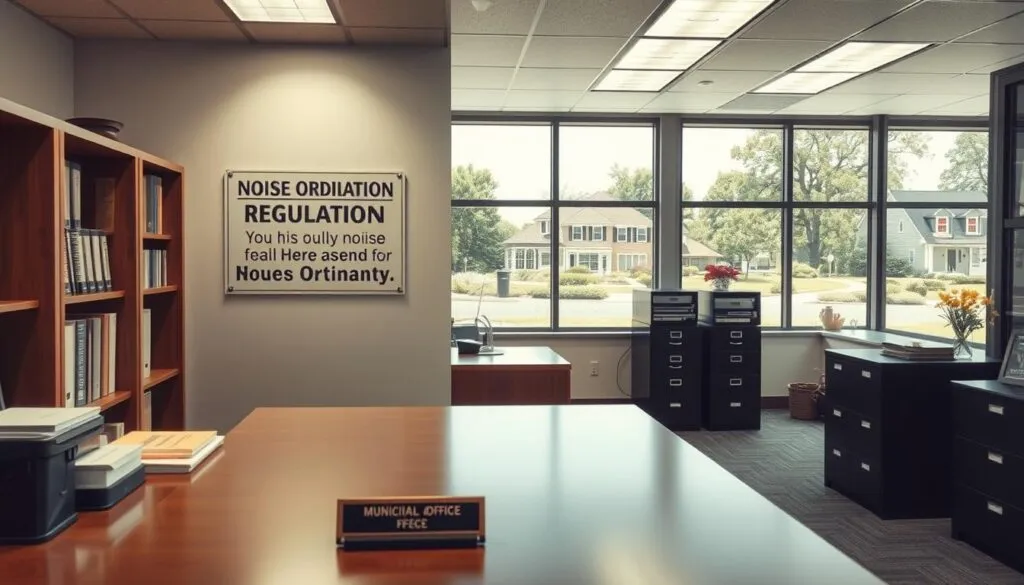
Your freedom to maintain your property is balanced by community standards designed for peace and quiet. These local noise ordinances create a legal framework for acceptable activity hours.
They protect residents’ right to tranquility, especially during early mornings and late evenings.
Understanding Local Rules
Most communities set specific time windows for yard work. A common schedule allows starting at 7:00 a.m. on weekdays. Weekend start hours are often later, around 8:00 or 9:00 a.m.
Evening cutoff time is typically between 8:00 p.m. and 9:00 p.m. For example, Alexandria, Virginia, permits work from 7:00 a.m. to 9:00 p.m. on weekdays.
Los Angeles has similar rules for domestic power tools. Regulations are usually stricter in dense urban areas compared to rural ones.
Tips for Checking Your City or HOA Guidelines
Finding your specific rules is straightforward. Start by visiting your city or county’s official website.
Search for terms like “noise ordinance” or “quiet hours.” You can also contact your local city hall directly for information.
If you live in a community with a Homeowners Association, review its guidelines. These documents often detail approved activity times for your lawn.
Consulting with neighbors or local online forums can also provide quick insights into the expected hours in your areas.
Best Times for Mowing a Healthy Lawn
Achieving a lush, resilient yard requires timing your cuts to align with your grass’s natural rhythms. The best time of time day for this task directly impacts recovery and growth.
This approach moves beyond legal rules to focus on what your turf needs biologically.
Avoiding Wet Grass and Morning Dew
Cutting grass when it is wet from dew or irrigation causes several problems. Wet clippings clump and clog your mower’s deck.
This leads to an uneven trim and can tear grass blades instead of slicing them cleanly. It can also create ruts in soft soil.
For these reasons, the early morning hours are best avoided. Wait until the sun has dried the grass.
Optimal Morning and Late Afternoon Windows
The absolute best time for mowing is mid-morning, from about 8:00 a.m. to 11:00 a.m. The dew has evaporated, and temperatures are still moderate.
Your lawn then has the entire day to heal from the stress of cutting grass.
If you miss that window, a late afternoon session between 4:00 p.m. and 6:00 p.m. is your next best option. The intense midday heat has passed, reducing stress on the turf.
Avoid the peak sun hours and the evening. Mowing too late does not allow enough recovery time before nightfall, increasing disease risk.
Factors Influencing Mowing Hours in the U.S.
The acceptable hours for yard maintenance vary dramatically across different American communities, influenced by local culture and property layouts. No single standard applies universally to all residential areas.
Differences in Urban, Suburban, and Rural Areas
Survey data reveals striking contrasts in community attitudes. Rural homeowners show the least concern about early mowing times, with 50% expressing indifference. City dwellers follow at 40% unconcerned.
Suburban residents prove most sensitive to timing issues. Only 20% don’t care when neighbors start their lawn care. This makes suburban communities most likely to generate complaints about early morning activity.
Proximity to neighbors dramatically affects disturbance levels. Townhomes and zero-lot-line communities require greater consideration. Multi-acre rural properties offer flexibility without bothering anyone.
Your equipment choice also influences acceptable start times. Electric walk-behind mowers operate quietly, potentially allowing earlier use. Gas-powered riding mowers generate 90 to 105 decibels, causing significant noise disruption.
Additional factors include bedroom window locations near property lines. Consider neighbors with illnesses, sleeping babies, or late-shift workers who sleep during typical daytime hours.
Acceptable mowing times depend on your specific situation’s unique combination of location density, equipment type, and neighbor relationships.
How Late Can I Mow My Lawn
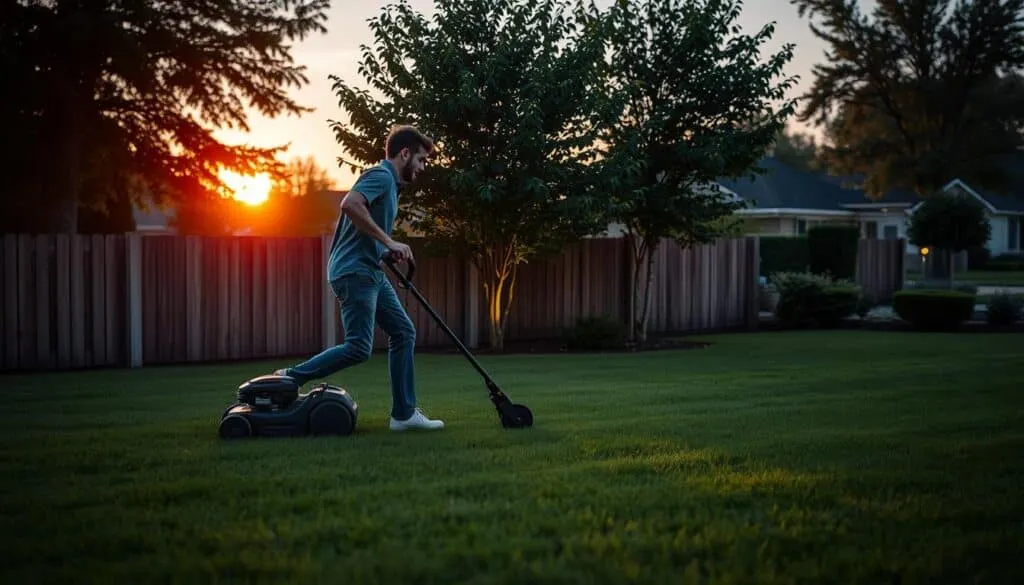
Determining the latest acceptable time for yard work involves understanding both legal boundaries and biological needs. Your schedule must respect community quiet hours while providing enough daylight for grass recovery.
Legal Cutoff Times and Considerations
Most municipalities establish clear evening limits for residential noise. These typically fall between 8:00 p.m. and 9:00 p.m. as quiet hours begin.
Daytime regulations remain lenient to allow necessary lawn care. Enforcement increases after dinner time to protect neighborhood peace. Always verify your local ordinance for exact hours.
Balancing Lawn Care with Local Ordinances
The practical cutoff for a healthy lawn often precedes legal limits. Grass needs several hours of daylight to heal after cutting.
Planning your session for late afternoon, between 4:00 p.m. and 6:00 p.m., works best. Temperatures have cooled, and sufficient light remains for recovery.
Mowing too close to darkness increases disease risk and violates courtesy norms. This balance ensures both turf health and community harmony.
| Factor | Legal Limit | Practical Limit | Key Consideration |
|---|---|---|---|
| Noise Ordinance | 8:00-9:00 PM | 6:00 PM | Community quiet hours |
| Grass Recovery | N/A | 6:00 PM | Daylight healing time |
| Social Courtesy | Varies | 7:00 PM | Evening activities |
Practical Tips for a Quiet and Effective Mowing Routine
Creating a peaceful mowing routine requires thoughtful equipment choices and smart scheduling. The right approach minimizes disturbance while keeping your turf healthy.
Choosing the Right Mower and Blade Settings
Select battery-powered or electric mower models for quieter operation. These produce significantly less noise than gas-powered alternatives.
Keep your mower blades sharp for clean cuts. Dull blades tear grass, increasing disease risk. Adjust cutting height seasonally for optimal lawn care.
Techniques for Reducing Noise and Minimizing Damage
Schedule your mowing during mid-morning or late afternoon hours. Avoid early mornings when neighbors appreciate quiet.
Follow the one-third rule: never remove more than one-third of grass height per session. This prevents stress and promotes healthier roots.
Leveraging Smart Scheduling and Robot Mower Options
Robot mower options like eufy models offer programmed care. They operate quietly during optimal times without manual effort.
Adjust your schedule seasonally. Mow weekly in spring, increase frequency in summer, and reduce in autumn. Winter mowing is rarely necessary.
Conclusion
A well-maintained yard reflects thoughtful planning and respect for your community. Effective lawn care successfully balances the needs of your grass with local regulations and neighborly courtesy.
The ideal mowing time typically falls in the mid-morning or late afternoon. This supports turf health and minimizes noise disruption. Always check your specific local noise ordinances to stay compliant.
Consider investing in quieter equipment for a more peaceful routine. Open communication with those living nearby can also prevent issues. Modern solutions like robotic mowers offer automated care during optimal hours.
Ultimately, a beautiful lawn should enhance, not disturb, your neighborhood harmony. By applying these principles, you can achieve a healthy yard while being a considerate neighbor.
FAQ
What are typical legal cutoff times for using a lawn mower?
Most cities and towns have noise ordinances that set quiet hours, often starting between 8 p.m. and 10 p.m. on weekdays. These rules help maintain neighborhood harmony. Always check your specific local noise ordinances, as times can vary significantly.
Why is the timing of cutting grass so important?
Mowing at the wrong time can damage your lawn and annoy your neighbors. Cutting grass when it’s wet from morning dew can lead to uneven cuts and disease. Mowing during extreme afternoon heat stresses the grass. Proper timing is key to effective lawn care.
When is the best time of day for lawn maintenance?
A> The optimal windows are typically mid-morning, after the dew has dried, or in the late afternoon when temperatures are milder. This schedule helps you avoid the hottest part of the day and ensures a cleaner cut for a healthier yard.
How do I find my local noise rules for yard work?
You can check your city or county’s official website for municipal codes. If you live in a community with a Homeowners Association (HOA), review its covenants for specific guidelines. These rules outline acceptable hours for operating equipment like lawn mowers.
Are there quieter options for maintaining my lawn?
Yes, modern electric mowers from brands like Ego or Greenworks are significantly quieter than traditional gas models. For ultimate convenience and quiet operation, consider a robot mower, such as those from Husqvarna, which can work during acceptable daytime hours with minimal noise.
Does the best time to mow change in different areas?
Absolutely. Rules and best practices can differ between urban, suburban, and rural settings. Rural areas often have more flexibility, while suburban neighborhoods usually have stricter noise ordinances. Always prioritize local guidelines for your specific area.