
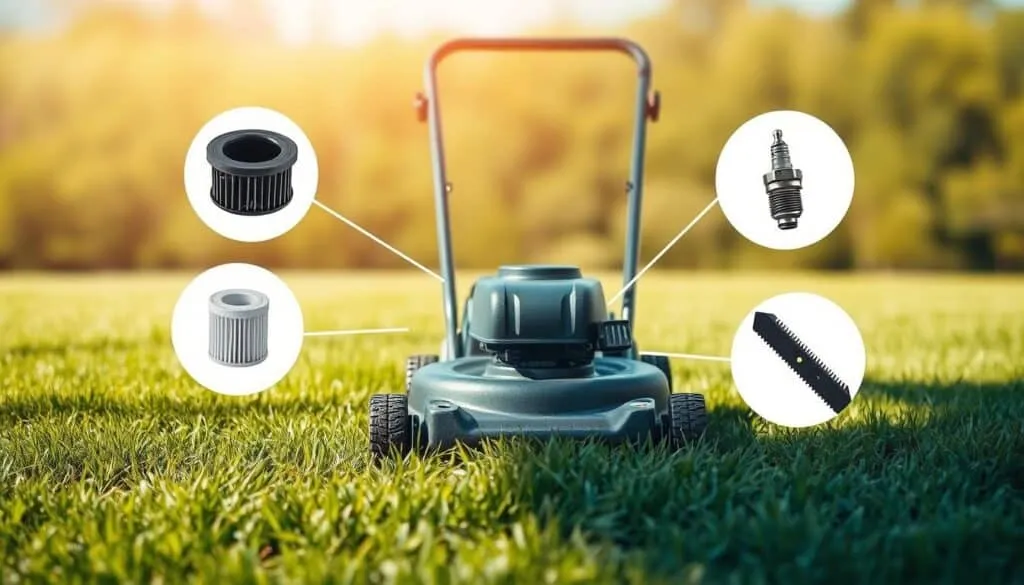
You start your lawn mower with a pull of the cord. It roars to life, ready for action. Then, just minutes into cutting the grass, it sputters and goes silent. This frustrating cycle repeats, turning a simple chore into a major headache.
This stalling problem is one of the most common complaints among homeowners. The good news is that you can often fix it yourself. The reasons behind a machine that stops running are usually simple to diagnose.
Our guide will walk you through the typical issues that cause this problem. We cover everything from fuel system troubles to spark plug malfunctions. Understanding these areas helps you maintain your equipment properly.
Proper maintenance prevents future stalling. You can get back to a peaceful mowing session and a beautiful lawn. Let’s explore the solutions to get your mower running smoothly again.
Key Takeaways
- A stalling lawn mower is a frequent and frustrating issue for many people.
- Most causes are simple and can be fixed without professional help.
- Common problem areas include the fuel system, carburetor, and spark plug.
- Regular maintenance is the best way to prevent this issue from happening.
- Correct diagnosis is the first step to a reliable, smooth-running machine.
Understanding the Problem: Why Does My Lawn Mower Keep Dying
A machine that operates briefly before shutting down points to specific performance problems. Recognizing the patterns helps you diagnose the underlying causes effectively.
Identifying the Symptoms and Common Triggers
Your equipment may show clear warning signs before complete failure. The engine might start then immediately stall. It could run for a few seconds before cutting out.
Gradual power loss during operation is another red flag. These symptoms often trace back to simple triggers. Extended storage periods frequently cause fuel system issues.
Using old gasoline creates combustion problems. Operating in wet conditions affects electrical components. Neglecting routine care leads to multiple performance issues.
How Maintenance and Usage Patterns Affect Performance
Regular operation prevents fuel degradation and component wear. Environmental factors significantly impact your machine’s reliability. Cutting wet grass strains the engine unnecessarily.
Mowing extremely tall vegetation overloads the system. Dusty conditions clog air filters quickly. Proper seasonal storage practices avoid many common problems.
Fuel management between sessions maintains optimal performance. Early detection of warning signs allows proactive maintenance. Most stalling situations result from care neglect rather than mechanical failure.
Common Engine and Fuel Issues
Many performance issues stem from contaminated or degraded gasoline. When your equipment starts then stops, the fuel system deserves immediate attention. Proper maintenance of these components prevents most stalling problems.
Old or Stale Gasoline and Fuel Contamination
Gasoline begins breaking down after approximately 30 days in the tank. This chemical process creates gummy residue and varnish deposits. These substances clog fuel lines, filters, and carburetor jets.
Drain contaminated fuel using a siphon pump for safe disposal. Always refill with fresh, high-quality 87-octane unleaded gas. Add fuel stabilizer during extended storage periods.
Fuel Cap Vent Blockage and Fuel Line Obstructions
A clogged fuel cap vent creates vacuum pressure inside the tank. This blockage prevents proper fuel flow to the engine. Clear the small vent hole using a pin or compressed air.
Check fuel lines for moisture contamination and debris buildup. Replace clogged filters to restore optimal performance. Addressing these fuel issues often resolves multiple symptoms simultaneously.
Carburetor and Air Filter Troubleshooting
When your equipment starts but won’t stay running, the carburetor often holds the answer to this frustrating behavior. This critical component mixes air and fuel in the exact ratio needed for combustion. Dirt, old fuel residue, and moisture can clog its delicate internal passages over time.
Cleaning and Reassembling the Carburetor
Begin by turning off the engine and disconnecting the spark plug for safety. Locate the carburetor underneath the air filter housing. Spray carburetor cleaner into the intake hole and let it sit for five minutes.
Use compressed air to blow through the jets after the cleaner has dissolved the residue. For stubborn clogs, remove the carburetor completely. Drain the fuel bowl using the small screw on the bottom.
Clean all jets and ports thoroughly before reassembly. Make sure every part seats correctly to prevent air leaks. Proper reassembly ensures optimal engine performance.
Inspecting and Maintaining the Air Filter
The air filter protects your engine from dirt and debris. A clogged filter restricts airflow, causing immediate stalling. Check this component regularly, especially after mowing in dusty conditions.
Foam filters can be rinsed with mild soap and water. Paper filters should be replaced when too dirty. Replace filters at least once per season or every 300 hours of operation.
Proper maintenance of both components prevents most combustion issues. Regular care keeps your equipment running smoothly throughout the mowing season.
Spark Plug and Ignition System Checks
A weak or failing spark can cause your equipment to stall unexpectedly during operation. The ignition system delivers the electrical charge needed for combustion. When this critical component malfunctions, performance suffers immediately.
Recognizing Carbon Buildup and Wear
Carbon deposits appear as grey or black coating on the electrode. This buildup indicates incomplete combustion within the engine. Regular inspection helps identify wear before it causes problems.
Check for cracks, corrosion, and electrode erosion during visual assessment. The plug’s color reveals important information about engine conditions. Proper diagnosis prevents misidentification of fuel-related issues.
Step-by-Step Spark Plug Cleaning and Replacement
Always disconnect the wire before removing this component. Use a proper socket wrench for safe extraction. Inspect the part thoroughly once removed from the engine.
For light carbon accumulation, use specialized cleaner and a wire brush. Check the electrode gap with a feeler gauge after cleaning. Replace plugs showing significant wear or damage.
Most manufacturers recommend replacement every one to two years. This maintenance ensures reliable ignition and smooth operation. Proper care extends the life of your equipment significantly.
Addressing External and Mechanical Obstructions
External factors can also prevent your equipment from running consistently. Sometimes the problem lies not in the engine but in physical blockages that strain the system. These obstructions create additional resistance that overloads the motor.
Clearing Clogged Blades and Mower Deck Maintenance
Cutting wet grass or tall vegetation causes heavy buildup underneath the deck. Clippings, dirt, and debris accumulate around the blades during mowing. This blockage forces the engine to work harder than necessary.
Always follow these safety steps before cleaning:
- Turn off the mower completely
- Disconnect the spark plug wire
- Wear protective gloves during cleaning
Use a brush or scraper to remove residue from the blade area. Dull blades tear rather than cut grass, worsening clogs. Sharp blades improve cutting performance and reduce strain.
Checking for Overheating Issues and Blocked Cooling Fins
Equipment that stalls after several minutes may be overheating. Grass clippings and dirt can block the cooling fins around the engine. This prevents proper air circulation and causes thermal shutdown.
Keep the air intake area and cooling fins clear of debris. Ensure fuel lines route away from hot engine components. Proper ventilation prevents heat-related stalling during extended mowing sessions.
Regular maintenance of these external components prevents most obstruction-related issues. Simple cleaning tips keep your lawn equipment running smoothly.
Conclusion
Regular maintenance routines significantly extend the operational life of your outdoor power equipment. Most stalling issues stem from simple causes like clogged fuel systems, dirty air filters, or worn spark plugs.
These problems often resolve with basic DIY care. Consistent preventive maintenance keeps your equipment running smoothly for many years.
When persistent issues arise despite proper care, consider equipment replacement. Residential models typically last 5-8 years with good maintenance. Frequent recurring problems or excessive engine wear signal replacement time.
Newer models offer improved fuel efficiency and user-friendly features. Battery-powered options eliminate fuel-related concerns entirely. Implement these maintenance tips for reliable performance season after season.
FAQ
What are the most common reasons a lawn mower starts and then dies?
The most frequent causes include old gasoline, a clogged carburetor, or a dirty air filter. Stale fuel leaves a sticky residue that blocks the carburetor’s small jets. A dirty air filter restricts airflow, creating a fuel-rich mixture that causes the engine to stall. Checking these parts first often solves the problem.
How often should I replace the spark plug in my mower?
You should install a new spark plug at least once every mowing season or after about 25 hours of operation. A worn or fouled plug can cause weak sparks, leading to hard starting and engine dying. Look for heavy carbon buildup or a damaged electrode as signs it’s time for a replacement.
Can using old gas really cause my mower to keep stopping?
Yes, old fuel is a primary culprit. Gasoline begins to degrade in as little as 30 days, losing volatility and forming varnish-like residue. This residue clogs the carburetor and fuel lines, preventing proper fuel flow to the engine, which causes it to start and then die shortly after.
What is the purpose of the small hole in the gas cap?
A> That hole is a vent. It allows air to enter the fuel tank to replace the gasoline as it’s used. If this vent becomes blocked, a vacuum forms inside the tank. This vacuum stops fuel from flowing to the carburetor, starving the engine and making it shut off after a few minutes.
How do I clean a lawn mower carburetor?
A> First, disconnect the spark plug wire for safety. Remove the carburetor and carefully disassemble it. Use a carburetor cleaner spray to remove all residue from the jets, float bowl, and passages. A small wire can help clear blocked holes. After cleaning, reassemble the unit and reinstall it on the engine.
Why is the air filter so important for engine performance?
A> The air filter prevents dirt and grass clippings from entering the engine. A clogged filter chokes the engine by limiting the air needed for combustion. This results in a rich fuel mixture, poor performance, and stalling. A clean or new air filter ensures the engine gets the proper air-fuel ratio.