
Have you ever pulled the starter cord on your lawn equipment, heard the engine roar to life, only to have it sputter and die moments later? This experience is incredibly frustrating and halts your yard work in its tracks. You are not alone in facing this common problem.
Fortunately, this issue rarely requires an expensive trip to the repair shop. Several reasons can cause a mower to start then stop, and most are simple fixes you can handle yourself. Understanding the root cause is the first step to a solution.
This guide will walk you through the most frequent issues. We will explore everything from fuel system clogs to ignition troubles. With a methodical approach, you can diagnose the specific problem affecting your machine.
Key Takeaways
- A mower that starts but then dies is a very common and frustrating issue for homeowners.
- The causes are often simple and can be fixed without professional help.
- Fuel system problems, like a dirty carburetor or clogged fuel line, are frequent culprits.
- Ignition system issues or air intake blockages can also prevent the engine from staying running.
- A systematic troubleshooting process can help you identify the exact cause quickly.
- Basic tools and a little patience are often all you need to get your lawn mower running reliably again.
Understanding Lawn Mower Startup Challenges
When your lawn equipment fires up but then quickly cuts out, it signals specific startup challenges that need careful observation. The exact behavior your machine displays provides valuable clues about the underlying problem.
Identifying Common Symptoms
Pay close attention to how your equipment behaves after ignition. Does the engine run for just a few seconds before dying? Does it sputter unevenly before shutting down? Or does it operate for several minutes then stall?
Each pattern points to different potential issues. Immediate shutdown often relates to fuel delivery, while sputtering may indicate ignition troubles. Longer operation before failure suggests different reasons entirely.
Recognizing Underlying Maintenance Issues
Many startup challenges develop from gradual maintenance neglect. Residue from old fuel can clog critical components. Dirt accumulation in filters and carburetors disrupts proper airflow and fuel mixture.
Seasonal factors also contribute. After winter storage, degraded fuel and moisture intrusion commonly cause startup issues. Regular use over time leads to wear on spark plugs and other components.
Your careful observation of these symptoms guides effective troubleshooting. This diagnostic approach helps pinpoint whether fuel, ignition, or airflow issues affect your lawn equipment’s performance.
Why Won’t My Push Mower Stay Running: Common Culprits
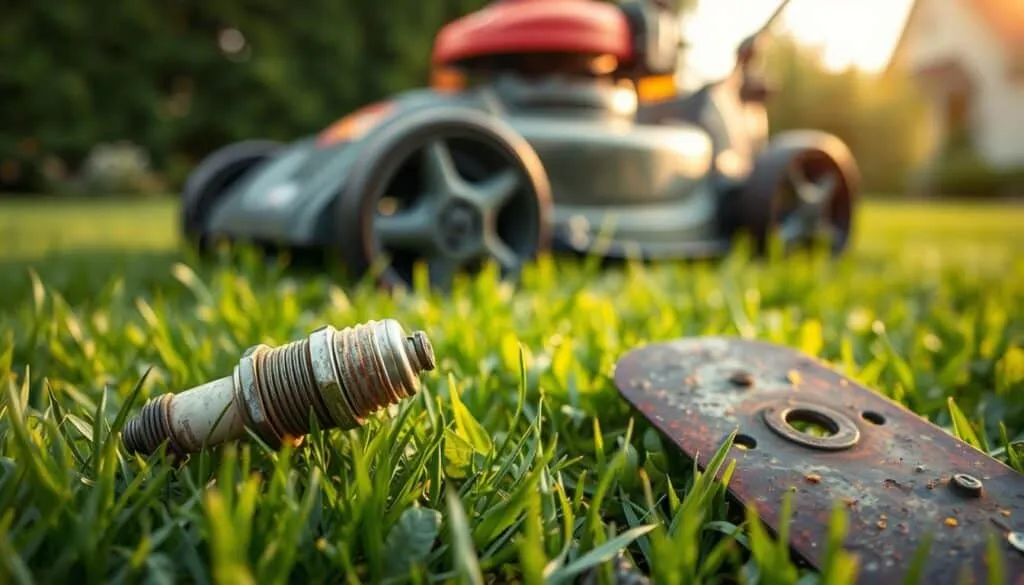
Your machine’s inability to continue running typically stems from problems in three key areas. Understanding these systems helps you diagnose issues effectively.
Dirty Carburetor and Clogged Fuel Issues
A dirty carburetor ranks among the top reasons your equipment fails to operate consistently. This component mixes air and fuel for proper combustion.
Over time, dirt and debris can clog the tiny passages. Old gasoline leaves varnish deposits that restrict flow. The engine then starves for proper fuel mixture.
Faulty Spark Plug and Ignition Problems
Ignition system failures cause many instances where a mower starts dies. A faulty spark plug cannot create a strong, consistent spark.
Worn electrodes or carbon buildup prevent proper ignition. Without reliable sparking, the air-fuel mixture won’t combust completely. This leads to immediate stalling.
Obstructions in Fuel Cap and Air Intake
Proper airflow proves essential for engine operation. A dirty air filter restricts oxygen needed for combustion. The engine receives too much fuel relative to air.
A blocked fuel cap vent creates vacuum in the tank. This prevents gasoline from flowing to the carburetor. Your lawn mower then stalls after brief operation.
Troubleshooting Fuel System Problems
Diagnosing a stalling engine begins with a thorough check of the fuel delivery components. A blockage or restriction anywhere in this system can starve the engine, causing it to start and then die. This process is methodical and often reveals simple fixes.
As one small engine expert notes,
“More than half of all startup issues are fuel-related. A clean, unrestricted flow is non-negotiable for consistent performance.”
Inspecting the Fuel Line and Cap Vent
Start your inspection with the fuel cap. Remove it and look for a tiny vent hole. If this hole is clogged with dirt, it creates a vacuum in the tank that stops fuel flow. Carefully clear any debris with a pin or compressed air.
Next, trace the fuel line from the tank to the carburetor. Look for cracks, leaks, or signs of stiffness. A compromised line can allow air in or debris to block the fuel. Also, check the inline filter if your model has one; a clogged filter is a common culprit.
Replacing Old Gas and Fuel Filters
Old gasoline is a frequent problem. Fuel begins to degrade after about 30 days, forming gummy deposits that clog the system. If your lawn equipment has been sitting, drain the tank completely.
Dispose of the old fuel properly and refill with fresh gasoline. For future storage, add a fuel stabilizer. If your check of the fuel line revealed a damaged filter or cracked line, replacement is the safest and most effective solution.
Examining Spark Plug and Ignition Concerns
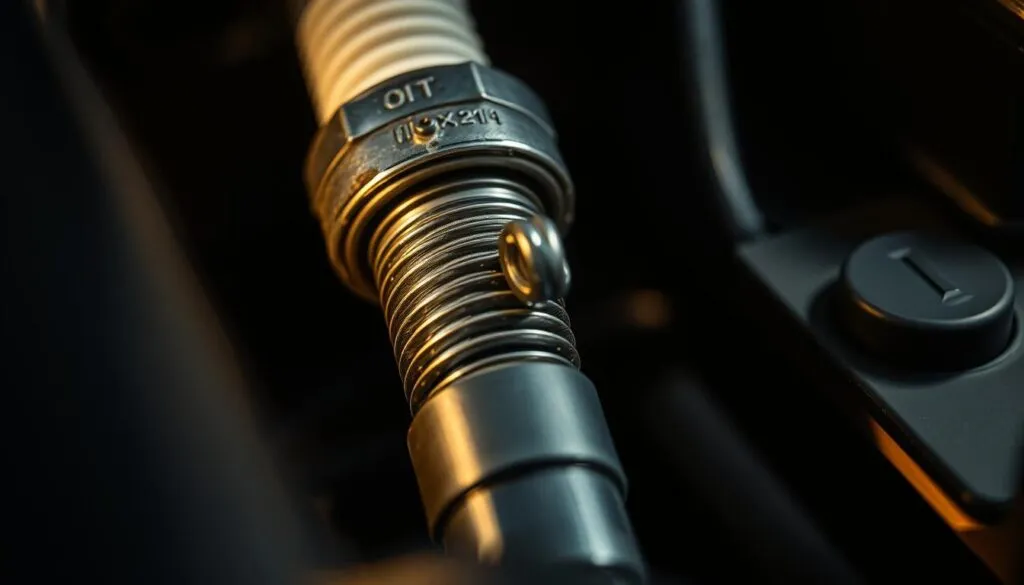
A weak or inconsistent spark can prevent your equipment from maintaining consistent operation. The ignition system delivers the electrical charge needed to ignite the fuel mixture. When this system fails, the engine may start briefly then stall.
Cleaning or Replacing the Spark Plug
Over time, spark plugs accumulate carbon deposits and wear down. This leads to weak sparking. Use a spark plug wrench to remove the component for inspection.
Check for carbon buildup, oil contamination, or electrode damage. Light cleaning with a wire brush may restore function. Severe wear requires replacement.
| Condition | Action Needed | Expected Result |
|---|---|---|
| Light carbon buildup | Clean with wire brush | Restored spark performance |
| Heavy deposits or oil | Replace spark plug | Reliable ignition |
| Electrode wear or cracks | Immediate replacement | Prevent engine damage |
“A properly gapped and clean spark plug is essential for consistent ignition. Don’t overlook this simple maintenance step.”
Ensuring Proper Spark Plug Wire Connection
The spark plug wire must have a secure connection. A loose or corroded terminal causes intermittent sparking. This creates starting problems.
Inspect the wire for cracks or damage. Ensure it snaps firmly onto the spark plug. Proper connection ensures complete electrical transfer.
Regular maintenance of your ignition system prevents many common issues. Address spark concerns promptly for reliable equipment operation.
Maintaining Your Carburetor and Air Filter
Two components work together to create the perfect air-fuel mixture for combustion. Proper maintenance of both ensures your equipment operates reliably throughout the season.
Effective Carburetor Cleaning Techniques
Begin by disconnecting the spark plug for safety. Locate the carburetor near the engine, often beneath the air filter housing.
Remove plastic covers using a screwdriver. Inspect for visible dirt and debris accumulation. Use carburetor cleaner with a directional straw to spray all surfaces.
Drain the carburetor bowl by loosening the bottom screw. Catch old fuel in a container. For heavy buildup, remove the entire unit for soaking.
| Cleaning Method | Best For | Frequency |
|---|---|---|
| Spray Cleaner | Light surface dirt | Every season |
| Bowl Drain | Old fuel removal | Before storage |
| Complete Soak | Heavy deposits | As needed |
Signs It’s Time to Replace the Air Filter
Your air filter resides in a plastic housing on the engine’s side. Remove screws or clips to access it. Visible clogging indicates immediate attention needed.
Foam filters can be washed with mild soap and water. Paper filters typically require replacement when dirty. Restricted airflow creates performance issues.
Check your filter annually for optimal engine operation. Ensure proper seating during reassembly to prevent debris entry.
Clearing External Blockages and Mower Blades
Compacted debris beneath your cutting deck can create unexpected resistance that strains the engine. This external buildup often goes unnoticed but significantly impacts performance. Regular maintenance of this area prevents many operational issues.
“A clean cutting deck is as important as fresh fuel for consistent mower operation. Neglecting this area creates unnecessary strain on the entire system.”
Removing Grass Clippings and Dirt Build-Up
Begin by disconnecting the spark plug wire for safety. This prevents accidental starting during cleaning. For push models, carefully tip the unit on its side to access the underside.
Inspect the blade area for accumulated grass clippings and dirt. Use a putty knife or stiff brush to remove compacted material. Wear gloves to protect your hands from sharp edges.
A clogged mower deck restricts proper airflow and blade movement. This buildup indicates your blade may need attention. Dull blades tear grass instead of cutting cleanly, creating excess debris.
After removing all dirt and clippings, check the blade’s condition. Minor nicks can be addressed with a sharpening file. Severe damage requires professional sharpening or replacement.
Regular cleaning after each lawn session maintains optimal performance. This simple habit extends your equipment’s lifespan and ensures reliable operation throughout the season.
Additional Tips for Reliable Mower Performance
Proactive care extends the lifespan of your outdoor power equipment significantly beyond typical expectations. Consistent attention prevents most common operational issues before they develop into major repairs.
Scheduling Regular Maintenance Checks
Establish a routine inspection schedule throughout the mowing season. This approach addresses potential problems before they cause equipment failure.
Check engine oil levels before each use and change according to manufacturer recommendations. Proper lubrication prevents wear and maintains performance.
| Maintenance Task | Frequency | Purpose | Tools Needed |
|---|---|---|---|
| Air Filter Replacement | Every season or 300 hours | Ensure proper airflow | New filter, screwdriver |
| Oil Change | Per manufacturer specs | Prevent engine wear | Fresh oil, drain pan |
| Deck Cleaning | After each use | Prevent grass buildup | Putty knife, brush |
| Blade Inspection | Monthly during season | Maintain cutting quality | Wrench, gloves |
Seasonal Preparation and Storage Best Practices
Proper storage preparation ensures easy startups when the next mowing season arrives. Always use fresh, high-quality fuel with appropriate octane ratings.
Add fuel stabilizer if your equipment will sit unused for extended periods. Before winter storage, either drain the tank completely or treat the fuel system.
Make sure to clean the cutting deck thoroughly and inspect all connections. This preventive approach keeps your lawn equipment ready for reliable operation.
Conclusion
With the right approach, restoring reliable performance to your outdoor power equipment is achievable. When your lawn mower starts then stops, remember that several reasons could be at play. Most issues are fixable with basic tools and knowledge.
Systematic diagnosis of fuel, ignition, and air intake components resolves the majority of cases where a mower starts dies. Regular maintenance throughout the lawn season prevents most common problems.
If problems persist after troubleshooting, consider consulting a professional. For older equipment requiring frequent repairs, investing in a new one may be more cost-effective.
Armed with this knowledge, you can confidently address starting problems and keep your equipment running strong. Proper care ensures your lawn mower operates reliably for years to come.
FAQ
What are the most common reasons a lawn mower starts but then dies?
The most frequent issues involve the fuel system, ignition, or airflow. A clogged carburetor, stale gas, a faulty spark plug, or a dirty air filter are typical culprits. These problems prevent the engine from getting the proper mix of fuel and air it needs to run continuously.
How can I check if the spark plug is the problem?
First, disconnect the spark plug wire for safety. Then, remove the plug and inspect it. Look for heavy carbon buildup, cracks, or a damaged electrode. If it’s dirty, you can clean it with a wire brush. If it’s damaged, replacing it with a new one is a fast and inexpensive fix that often solves the problem.
Why is the air filter so important for keeping my mower running?
The air filter protects your engine from dirt and debris. A clogged filter restricts airflow, creating a fuel mixture that’s too rich for the engine to burn properly. This causes the mower to start and then stall. Check your filter regularly and clean or replace it if it’s dirty to ensure proper engine performance.
What should I do if old fuel is causing the issue?
Gasoline can degrade in as little as 30 days, leading to varnish and clogging in the fuel system. If your mower has been sitting, drain the old gas from the tank and fuel line completely. Refill with fresh, high-quality gasoline. Using a fuel stabilizer can help prevent this issue in the future.
Can a dirty carburetor prevent my mower from staying running?
A> Absolutely. The carburetor mixes fuel and air for combustion. When it gets clogged with old fuel deposits, this mixture is disrupted. You may need to clean the carburetor with a specialized cleaner or, in severe cases, rebuild or replace it to restore smooth operation.
How does the fuel cap affect how my mower runs?
The gas cap has a small vent that allows air to enter the tank, replacing the fuel as it’s used. If this vent gets clogged, a vacuum lock forms, stopping fuel from flowing to the engine. If your mower starts and dies, try loosening the cap. If it keeps running, the cap vent is likely blocked and needs cleaning or replacement.