
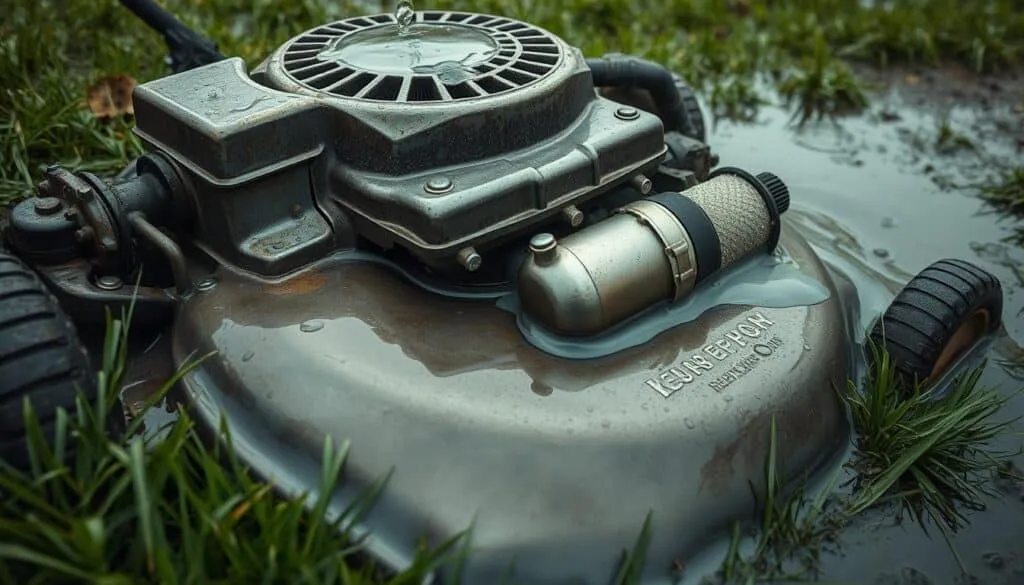
Ever yank the starter cord repeatedly, only to be met with silence and the pungent smell of gasoline? This common scenario often points to a flooded engine, not a broken machine. Your frustration is understandable, but the solution is simpler than you might think.
The issue stems from an excess of fuel in the combustion chamber. This saturation prevents the spark plug from igniting the mixture properly. It’s a temporary condition, usually caused by over-priming or incorrect choke settings.
Recognizing the signs is your first step toward a fix. The strong odor of unburned gasoline is the most obvious clue. Understanding this empowers you to address the problem correctly and avoid causing further damage.
Patience becomes your most valuable tool. The key is to allow time for the excess fuel to evaporate. Rushing the process by continuously pulling the cord will only worsen the situation.
Key Takeaways
- A strong gasoline smell is the primary indicator of a flooded engine.
- This condition is typically a fuel issue, not a sign of mechanical failure.
- Over-priming or improper choke use are common causes.
- Resist the urge to keep pulling the starter cord, as it adds more fuel.
- Allowing time for fuel evaporation is the core of the solution.
- This problem is common across various small engines and outdoor power equipment.
Understanding Flooded Lawn Mower Issues
That persistent gasoline odor and refusal to start point directly to an engine overwhelmed with fuel. Recognizing these warning signs helps you address the problem correctly before it worsens.
Identifying the Symptoms of a Flooded Engine
You can spot a saturated engine through unmistakable clues. The strongest indicator is the overwhelming smell of unburned gasoline when you attempt to start your equipment.
Your machine displays classic symptoms when the choke is engaged and the starter cord gets pulled multiple times without success. The engine may not turn over or even sputter, confirming fuel has flooded the combustion chamber.
Visual confirmation comes from gasoline dripping from the carburetor or pooling around the engine base. The spark plug becomes soaked, preventing it from generating the necessary electrical spark for ignition.
Common Causes: Overfueling, Choke Misuse, and More
You typically create this situation through simple mistakes. Pressing the primer bulb more than the recommended 2-3 times pumps excessive fuel into the system before starting.
Improper choke use significantly contributes to the problem. Leaving it engaged too long or failing to turn it off after startup enriches the fuel mixture beyond what the engine can handle.
Repeatedly yanking the starter cord in frustration introduces more gasoline into an already saturated engine. Small engines are particularly vulnerable after sitting idle during off-season months.
Remember that this condition represents a temporary fuel-to-air imbalance rather than mechanical failure. Understanding the causes empowers you to prevent future occurrences.
how long to let a flooded lawn mower sit
After recognizing the signs of fuel saturation, the next critical step involves proper timing for resolution. The waiting period allows excess gasoline to naturally dissipate from critical components.
Importance of Letting Gas Evaporate
Evaporation is your most effective tool against fuel saturation. Liquid gasoline prevents proper ignition by drowning the spark plug. Allowing time for this process restores the necessary air-fuel balance.
Proper ventilation accelerates the drying process significantly. Position your equipment in an open, shaded area with good airflow. This environment helps clear gasoline vapors from the combustion chamber.
Step-by-Step Guide to Drying the Engine
Begin by waiting approximately 15 minutes for natural evaporation. During this period, ensure the choke is in the “off” position. Set the throttle to its highest setting to maximize air intake.
If the initial wait doesn’t resolve the issue, inspect the spark plug. Remove it using a socket wrench and check for fuel saturation. A dry, clean plug indicates readiness for restart.
| Drying Method | Time Required | Effectiveness | Tools Needed |
|---|---|---|---|
| Natural Evaporation | 15-20 minutes | High | None |
| Spark Plug Removal | 10-15 minutes | Very High | Socket wrench, cloth |
| Compressed Air | 5 minutes | Excellent | Air compressor |
| Cord Pulling (plug out) | 2-3 minutes | Good | None |
Each method addresses different aspects of fuel removal. Choose the approach based on your available tools and time constraints. Systematic drying ensures successful engine restart.
Preventive Maintenance and Troubleshooting Tips
Your equipment’s reliability depends on three critical systems working in harmony. When basic drying methods prove insufficient, targeted maintenance restores proper operation.
Addressing the root causes prevents recurring issues. Systematic care ensures consistent performance throughout the cutting season.
Clearing the Carburetor and Cleaning the Spark Plug
The carburetor often retains excess fuel in its bowl after flooding. Remove this component to drain accumulated gasoline completely.
Your spark plug requires thorough inspection after saturation. Check for wear or carbon buildup that might hinder ignition.
Tilting the machine with the plug side up helps drain trapped fuel from the cylinder. This simple technique accelerates drying significantly.
Maintaining a Clean Air Filter and Fresh Fuel
Your air filter plays a crucial role in combustion. A clogged filter prevents proper airflow even after fuel evaporation.
Test the air filter by removing it temporarily. If the engine starts without the filter but fails with it installed, replacement becomes necessary.
Fresh gasoline prevents many starting difficulties. Store fuel in small containers to ensure regular replenishment.
| Component | Maintenance Frequency | Key Action | Prevention Benefit |
|---|---|---|---|
| Spark Plug | Each season | Inspect and clean | Reliable ignition |
| Air Filter | Every 25 hours | Check and replace | Proper combustion |
| Carburetor | After flooding | Drain bowl | Fuel balance |
| Engine Oil | Seasonal check | Change if contaminated | Engine protection |
Following this maintenance schedule keeps your machine operating efficiently. Proper care reduces the likelihood of future starting problems.
Conclusion
The knowledge you’ve gained turns what once seemed like a major breakdown into a simple waiting game. Your lawn mower flooding represents a temporary fuel imbalance, not permanent damage.
Remember the essential 15-minute evaporation period. This allows excess gasoline to dissipate naturally. Always ensure the choke is in the off position before restart attempts.
You now possess multiple troubleshooting strategies. From spark plug inspection to carburetor drainage, these techniques restore your mower efficiently. Regular maintenance prevents future starting difficulties.
Your confidence grows with each successful repair. Proper care ensures your engine delivers reliable performance season after season. This knowledge empowers you to handle most fuel-related issues independently.
Consistent maintenance combined with correct starting procedures keeps your equipment running smoothly. You can quickly return to lawn care with minimal interruption.
FAQ
What are the main symptoms of a flooded engine?
You will notice a strong smell of gasoline, the engine fails to start after several pulls, and you might see excess fuel around the spark plug area. The starter cord may also feel unusually easy to pull.
How long should I typically wait before trying to restart the mower?
Allow the engine to sit for at least 15 to 20 minutes. This gives the gasoline in the cylinder enough time to evaporate. For more severe flooding, waiting up to 30 minutes is a safe bet.
What is the correct procedure for restarting after the waiting period?
First, move the choke to the “off” position. Then, firmly pull the starter cord three to five times with the spark plug disconnected to clear any remaining fuel vapor. Reconnect the plug and start the mower normally.
Can a dirty air filter cause flooding?
Yes. A clogged air filter disrupts the air-fuel mixture, often leading to an over-rich condition that can flood the carburetor and engine. Regular air filter maintenance is crucial.
Should I remove the spark plug if my mower is flooded?
Absolutely. Taking out the spark plug allows the cylinder to ventilate, speeding up the evaporation process. It also lets you inspect and dry the plug’s electrodes, which may be wet with fuel.
How can I prevent my lawn mower from flooding in the future?
Use the choke correctly—only when the engine is cold. Maintain a clean air filter and use fresh, stabilized gasoline. Also, avoid repeatedly pulling the starter cord if the engine doesn’t catch immediately.