
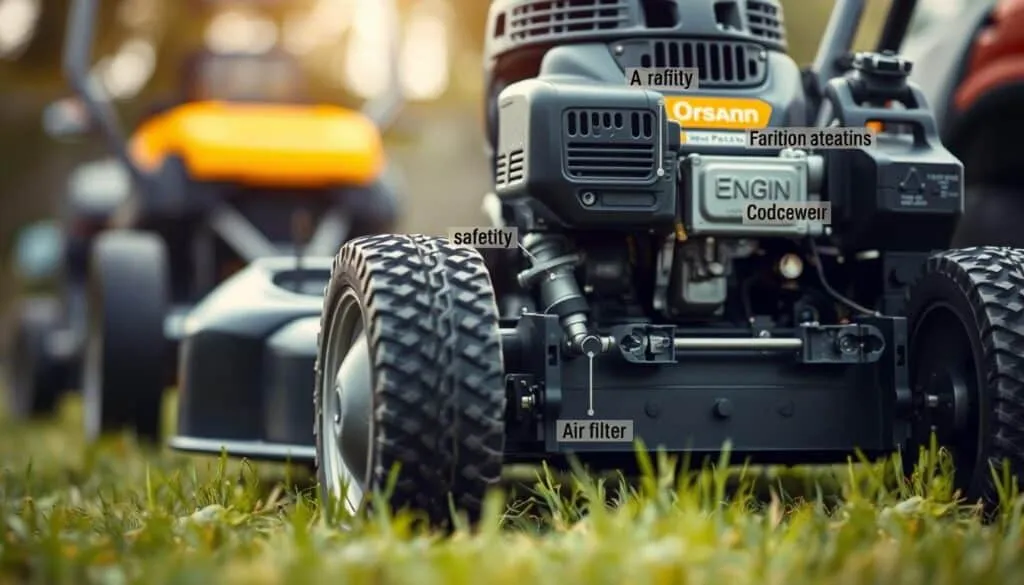
What if your most trusted yard tool suddenly became a dangerous hazard? For homeowners like Bob Sukovich from Morris County, this frightening scenario became a reality.
On August 14, a routine grass-cutting session turned terrifying. A knocking noise from the machine was the only warning before a loud blast. Thick smoke poured from the engine, which had blown a hole in its side, ejecting pieces across the yard.
His one-year-old daughter was safely inside, but the event highlights a serious safety risk. These incidents are not just rare theories. Another documented case on June 8, 2007, resulted in a leg injury from flying shrapnel after only 20 minutes of use.
Your primary concern should be the suddenness of these failures. They can happen in seconds, leaving no time to react. This guide will show you the warning signs to watch for and the vital steps to protect your family.
Key Takeaways
- Lawn mower explosions are real, documented events, not just theoretical risks.
- Catastrophic engine failure can happen suddenly, with little warning.
- Flying debris from an explosion poses a serious injury threat, especially to children.
- Even well-maintained equipment from reputable brands can experience these failures.
- Recognizing unusual noises and performance issues is your first line of defense.
- Proper maintenance and operational habits significantly reduce the risk of an incident.
Identifying Common Causes and Warning Signs
Many catastrophic failures give off clear warning signs that, when understood, allow for preventive action. Your ability to recognize these signals is your first defense against potential hazards.
Engine Issues and Oil Maintenance Problems
Internal mechanical problems often manifest as audible warnings. Knocking sounds from the engine indicate serious component failure. These noises demand immediate attention.
Documented cases show the time between warning knocks and failure can be mere seconds. One incident involved only two knocks before catastrophic failure occurred. This highlights the urgency of responding to unusual sounds.
Early Indicators: Smoke, Knocking Noises, and Abnormal Performance
Visible smoke emanating from your equipment signals overheating or lubrication issues. This requires immediate shutdown and professional inspection. Distinguish between external residue and internal problems.
Your lawnmower running louder or faster than normal suggests carburetor or fuel mixture issues. These changes often precede more serious failures. Intermittent cutting out indicates underlying problems.
Another case showed smoke appearing after maintenance work. While sometimes temporary, persistent smoke from any lawnmower warrants professional evaluation. Never ignore performance changes that deviate from normal operation.
How to Prevent Incidents When Can a Lawn Mower Explode
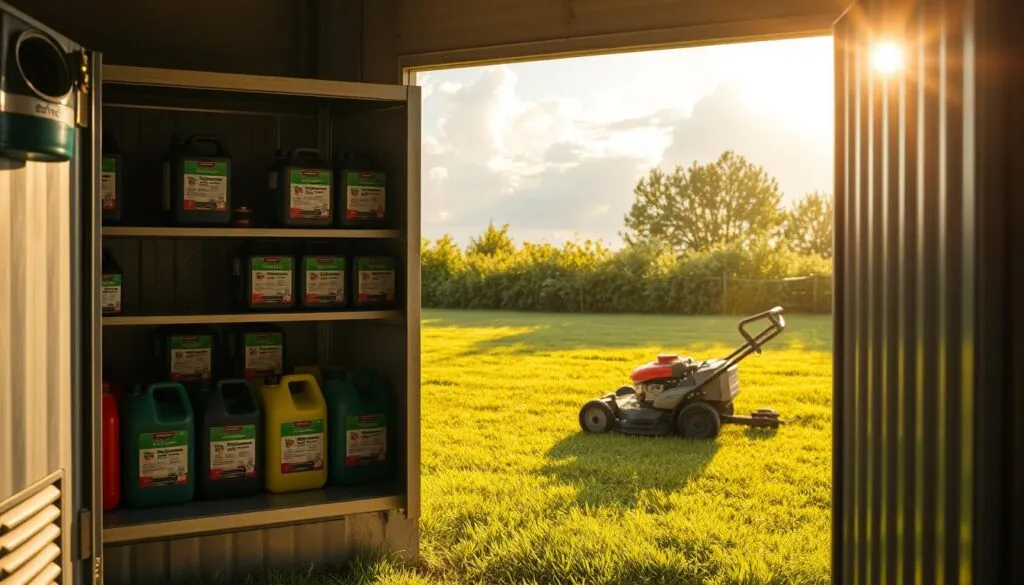
Prevention begins with understanding proper fuel management and mechanical upkeep. Your consistent attention to these areas creates a safety barrier against unexpected failures.
Regular Engine and Oil Checks
Follow your manufacturer recommendations for service intervals. These guidelines ensure optimal performance and identify potential issues early.
Check oil levels before each use. Low lubrication causes excessive friction and heat buildup. Clean air filters and sharp blades reduce engine strain significantly.
| Maintenance Task | Frequency | Critical Benefit |
|---|---|---|
| Oil Change | Every 25-50 hours | Prevents engine overheating |
| Air Filter Inspection | Before each use | Maintains proper air-fuel mixture |
| Blade Sharpening | Seasonally | Reduces engine workload |
Proper Gasoline Storage and Maintenance Best Practices
Use approved containers to store your gasoline. Keep them in cool, ventilated areas away from ignition sources. Fresh fuel prevents starting problems and performance issues.
Add stabilizer when storing your equipment for extended periods. This prevents fuel degradation and carburetor clogging. Never fill the tank completely full during storage.
Always allow the engine to cool before refueling. Choose a secure location to store your equipment between uses. Proper care extends your lawnmower lifespan dramatically.
Troubleshooting and Safety Steps After a Faulty Event
When your equipment experiences a catastrophic failure, your immediate actions and subsequent steps determine the outcome. The situation requires a calm, methodical approach to ensure personal safety and protect your consumer rights.
Immediate Actions and Personal Safety Precautions
Your first priority is always safety. Turn off the machine immediately and move away from it. Ensure no one is near the equipment, especially children.
Allow the unit to cool completely before attempting any inspection. Do not try to restart it. Secure the area to prevent accidental contact with hot or damaged components.
Expert Recommendations and Manufacturer Guidance
Contact your manufacturer right away. Document the call details, including the representative’s name. You need a clear answer about available options.
Be persistent if the first response is unsatisfactory. Request to speak with a supervisor for a better answer. Your options may include warranty claims or repair programs.
Consider an independent diagnosis from a small engine shop. This provides an unbiased assessment of the failure. It strengthens your case when dealing with the manufacturer.
Report serious incidents to the U.S. Consumer Product Safety Commission. This official step helps identify widespread safety issues. Proper documentation is your most powerful tool for resolution.
Conclusion
Taking proactive safety measures ensures that cutting your grass remains a routine task rather than a risky endeavor. You now have the definitive answer about equipment safety concerns.
Regular maintenance creates your first line of defense. Proper fuel handling and mechanical checks significantly reduce potential hazards. Even well-cared-for equipment requires constant vigilance.
Every time you maintain your yard, listen for unusual sounds. Watch for performance changes or visible smoke. Immediate shutdown at the first warning sign protects everyone nearby.
Your safety always comes before finishing the grass. Establish clear boundaries and keep family members at a safe distance. This knowledge empowers you to recognize dangers and respond effectively.
FAQ
What are the main reasons a lawnmower engine might fail dangerously?
The primary culprits often involve improper maintenance. Using old gasoline, mixing incorrect oil-to-fuel ratios, or allowing grass clippings and debris to accumulate near hot components like the muffler can create hazardous conditions. These issues lead to overheating and potential ignition.
What warning signs should I look for before operating my equipment?
Pay close attention to visible smoke, unusual knocking sounds from the engine, or a sudden loss of power. These are critical early indicators of internal problems. If you notice any of these, turn off the machine immediately and inspect it before further use.
How can regular maintenance prevent serious problems?
Consistent upkeep is your best defense. Follow your manufacturer’s schedule for changing the oil, replacing the air filter, and using fresh fuel. This routine care keeps the engine running cleanly and efficiently, drastically reducing the risk of overheating and component failure.
What is the safest way to store gasoline for my mower?
Always use an approved fuel container and store it in a cool, well-ventilated place away from direct sunlight or heat sources. Add a fuel stabilizer if you plan to store gasoline for more than 30 days to prevent it from degrading and causing starting or performance issues.
What should I do if my mower starts smoking or backfiring?
Your first step is to shut off the engine immediately. Move away from the machine and do not attempt to restart it. Allow it to cool completely. Then, consult your owner’s manual for troubleshooting or contact a qualified repair technician for a professional inspection.
Where can I find specific safety guidelines for my model?
Your equipment’s owner’s manual, provided by the manufacturer, contains the most accurate and model-specific safety and maintenance instructions. You can also often find this information on the brand’s official website using your model number.