
Have you ever wondered if there’s a perfect moment to begin your yard maintenance without disturbing the entire neighborhood? This common dilemma faces many homeowners who want to keep their property looking sharp while maintaining good relations with those next door.
That early morning grass cutting session might seem convenient, but it could lead to more than just annoyed neighbors. Many communities have specific regulations about noise levels during certain hours. Gas-powered equipment often produces sounds well above recommended safety thresholds.
Proper timing affects more than just community harmony. It also impacts the health of your turf. Cutting at inappropriate moments can stress the plants and reduce their vitality. Finding the right balance ensures your landscape thrives while keeping peace on your street.
This guide will walk you through the essential considerations for scheduling your outdoor care routine. You’ll learn about legal requirements, optimal conditions for plant health, and practical strategies for maintaining a beautiful yard without conflict.
Key Takeaways
- Early morning mowing can violate noise ordinances and disturb neighbors
- Gas-powered equipment often exceeds safe decibel levels
- Proper timing protects both your grass health and community relations
- Many municipalities enforce specific quiet hours for yard work
- Balancing lawn maintenance with consideration creates better results
- Understanding local regulations helps avoid potential fines
- Strategic scheduling makes yard care more effective and less stressful
Introduction to Lawn Mowing Timing
Your lawn’s health depends heavily on when you choose to perform routine maintenance. Many people follow personal schedules without considering their turf’s biological needs. Proper timing affects more than just convenience—it directly impacts grass vitality throughout the growing season.
Lawn care operates on biological principles where moisture, temperature, and recovery time play critical roles. Cutting during optimal conditions reduces stress on the plants. This approach helps your landscape thrive rather than simply survive.
The ideal window balances three key factors: dry grass conditions, moderate temperatures, and sufficient daylight for recovery. Mid-morning typically offers the perfect combination of these elements. This timing allows dew to evaporate while avoiding peak heat hours.
Common mistakes occur when homeowners focus only on cutting grass short. They overlook how timing influences long-term health and strength. Understanding proper scheduling helps you work with natural rhythms rather than against them.
| Timing Factor | Early Morning | Mid-Morning | Afternoon |
|---|---|---|---|
| Grass Moisture | High (dew) | Optimal (dry) | Dry |
| Temperature | Cool | Moderate | Hot |
| Recovery Time | Full day | Sufficient | Limited |
| Stress Level | Moderate | Low | High |
Strategic scheduling considers legal restrictions, social norms, grass biology, and practical constraints. This comprehensive approach leads to better results for both your property and community relations. The following sections explore these considerations in detail.
Understanding Local Regulations and Social Standards
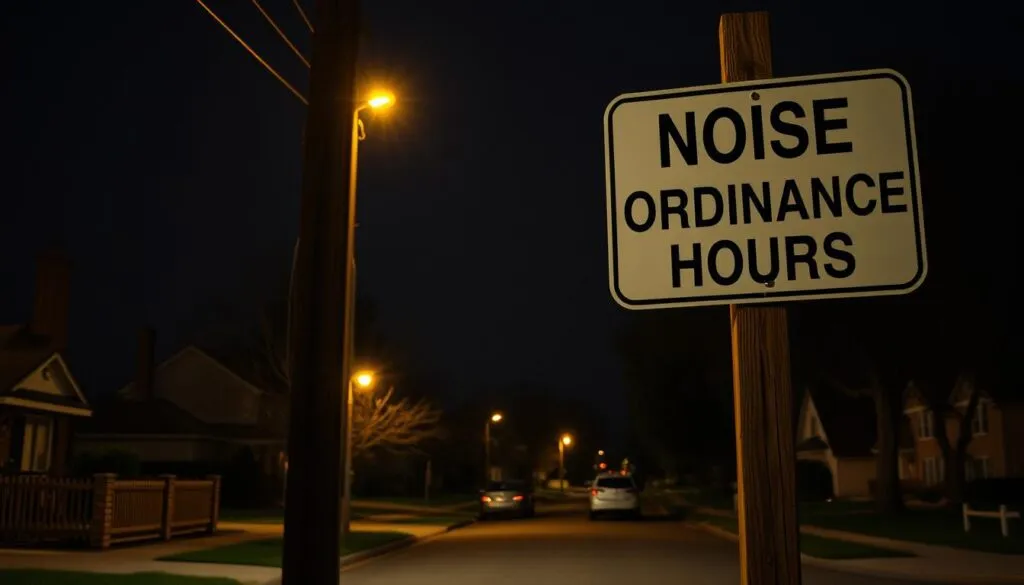
Noise control ordinances protect residential tranquility by setting specific hours for loud equipment operation. These rules prevent disturbances that can strain relationships between residents. Gas-powered mowers generate 80-95 decibels, exceeding safe hearing thresholds.
Municipal codes establish clear operating windows for landscape maintenance. Alexandria permits equipment from 7:00 a.m. to 9:00 p.m. on weekdays. Weekend hours typically begin later, around 9:00 a.m. in many communities.
Noise Control and Community Harmony
Social acceptance varies significantly by location type. Survey data shows suburban areas have the strictest standards. Only 20% of suburban residents tolerate early morning lawn care activities.
Unwritten neighborhood expectations often complement formal regulations. Checking with nearby homeowners provides valuable insight. This approach helps maintain positive relationships within the community.
Legal Guidelines and Safety Considerations
Violating noise ordinances carries financial consequences. Fines typically range from $100 to $1,000 for initial offenses. Some municipalities impose penalties up to $10,000 for repeat violations.
Safety concerns also influence permitted operating hours. Low visibility during early morning and evening increases accident risks. Some regions address environmental factors like air quality.
Homeowners associations frequently enforce stricter rules than city codes. Researching both sets of regulations prevents complaints and penalties. Online searches for “[city name] noise ordinance” provide official guidelines.
Optimizing Your Lawn Care: what time can you start mowing your lawn
Strategic scheduling transforms routine cutting into a health-boosting practice. The difference between a struggling and thriving landscape often comes down to timing choices.
Early Morning vs. Mid-Morning Benefits
Mid-morning between 8-10 a.m. earns the highest rating for several reasons. Dew has evaporated by this period, allowing clean cuts instead of tearing wet blades. Moderate temperatures reduce stress on freshly trimmed grass.
Early morning sessions from 6-8 a.m. create multiple problems despite beating the heat. Wet conditions lead to soil compaction and disease susceptibility. Clippings clog equipment while noise disturbs sleeping households.
Best Time Windows for Mowing Efficiency
Late afternoon from 4-6 p.m. serves as the second-best option. This window offers dry conditions and cooler temperatures after peak heat. Grass has adequate daylight hours to begin recovery before nightfall.
Midday mowing carries significant risks from extreme heat exposure. Evening cutting increases fungal infection chances since grass cannot heal before moisture accumulates overnight.
Managing Neighbor Expectations and Compliance
Open communication prevents conflicts with nearby residents. Discuss schedules with neighbors who work night shifts or have infants. Avoid operating near bedroom windows during sensitive hours.
Modern robotic mowers provide automated solutions for optimal timing. These devices handle large areas with minimal noise during preferred windows.
Techniques and Tips for a Healthy, Green Lawn
The quality of your landscape results from combining smart practices with appropriate equipment choices. Proper techniques protect grass health while efficient tools make the work easier.
Proper Mowing Practices to Protect Your Grass
Follow the one-third rule for cutting grass. Never remove more than one-third of the blade height in a single session. This prevents stress and maintains strong root systems.
Sharp blades create clean cuts instead of tearing grass. Torn blades invite disease and slow recovery. Change your mowing pattern each session to prevent soil compaction.
Tool Selection and Maintenance Recommendations
Choose your mower based on property size and noise sensitivity. Electric models operate quietly, making them ideal for close neighborhoods. Gas-powered units work better for large areas.
Regular maintenance keeps equipment running smoothly. Sharpen blades seasonally and lubricate moving parts. Proper care reduces noise and extends tool life.
Consider bedroom window locations when scheduling lawn work. Communication with neighbors prevents conflicts. These tips create a healthy lawn while maintaining community harmony.
Conclusion
The path to a thriving outdoor space balances legal awareness with biological understanding. Successful landscape maintenance harmonizes three essential elements: compliance with local noise ordinances, optimal timing for grass vitality, and respect for neighbor comfort.
Most communities permit equipment operation starting around 7-8 a.m. on weekdays and 8-9 a.m. on weekends. The biological sweet spot occurs between 8-10 a.m. when dew evaporates but heat remains moderate. This approach prevents fines while protecting turf from disease and stress.
For scheduling challenges, consider professional services or quieter electric equipment. Checking local regulations and communicating with nearby households creates peaceful coexistence. Proper timing transforms routine yard work into responsible property stewardship that benefits everyone.
FAQ
What are the best hours for cutting grass to avoid disturbing my neighbors?
The ideal time to mow is typically between 8 a.m. and 10 a.m. on a weekday. This mid-morning window allows morning dew to dry and avoids the very early hours that could disrupt your neighborhood’s peace. Always check your local noise ordinances for specific start times.
Why is it bad to cut a wet lawn?
Mowing when the grass is wet, often from dew or recent rain, can harm your yard. Wet clippings clump together, blocking sunlight and potentially causing disease. It also leads to an uneven cut and can be hazardous, creating a slippery surface for you and your mower.
Is late afternoon a good time for lawn care?
Late afternoon, after the peak heat of the day has passed, can be an excellent time for mowing. The temperatures are cooler, reducing stress on both you and the grass. Just ensure you finish before dusk to allow the blades to recover before nightfall and to be respectful of evening quiet hours.
How does the season affect the best time to mow?
During the hot summer months, it’s crucial to avoid midday mowing when high temperatures can scorch freshly cut grass. In spring and fall, you may have more flexibility. Adjust your schedule based on grass growth and local weather conditions for optimal lawn health.
What should I consider when choosing a lawn mower for my yard?
Select a mower based on your yard’s size and terrain. For smaller, flat areas, a reliable electric or push mower from a brand like Toro may suffice. For larger properties, a self-propelled or riding mower from John Deere can save time and effort. Always keep the blades sharp for a clean cut.